Acrobatics in Gothic 1 Remake costs learning points, and the name alone won’t tell you how much of the old skill made it into the remake. Here’s what changed, where to train and when it’s worth learning. More walkthroughs, mods and tips are on my Gothic 1 Remake hub.
How Acrobatics changed from the original Gothic
In the original Gothic, Acrobatics gave you long jumps that got you across the map much faster than running. Some players likened it to a flight simulator. In the remake, training gives you a dodge roll.
| Feature | Original Gothic | Gothic 1 Remake |
|---|---|---|
| Main effect | Long jumps | Dodge roll |
| Use in combat | Jump to create distance | Roll to dodge attacks |
| Reduces fall damage | Yes | Yes, by half |
| How to use it | Jump | Double-tap Alt (default PC controls) |
Buster tells you outright that Acrobatics won’t make you move faster. I can see why that’ll disappoint some fans of the original. Riding a scavenger already makes travel quicker, and the roll fits the remake’s combat.
Where to find Buster and learn Acrobatics
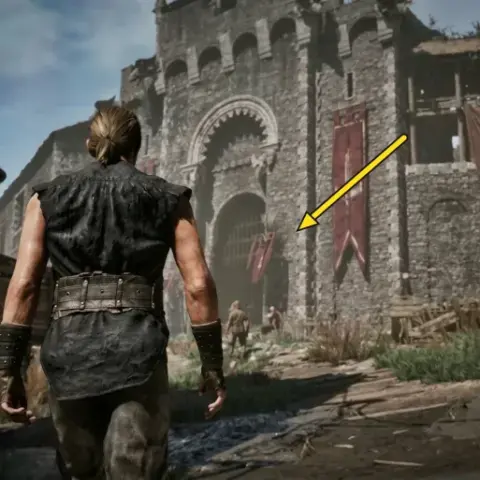
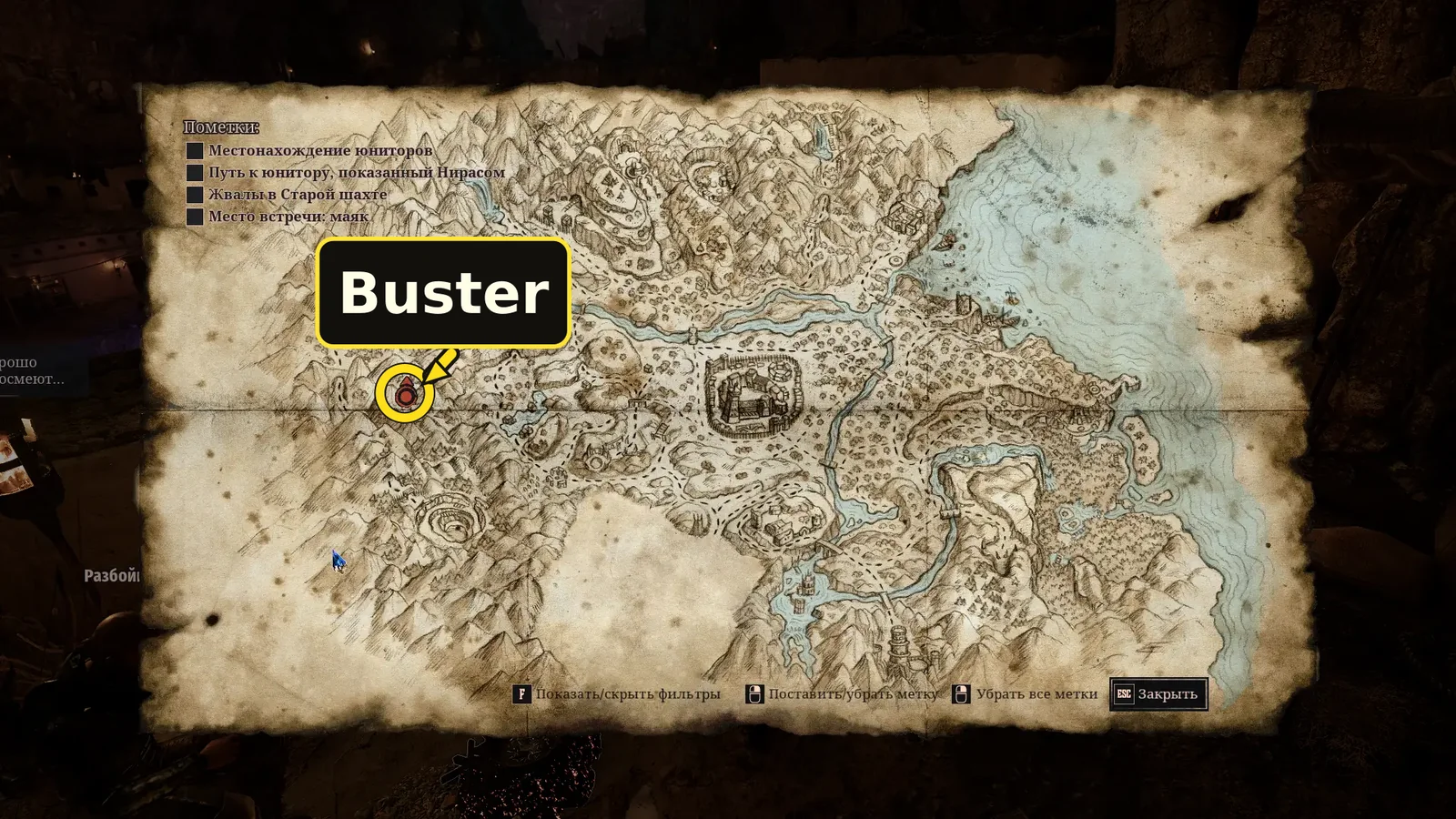
Buster is the only Acrobatics trainer. You’ll find him inside the cave at the New Camp.
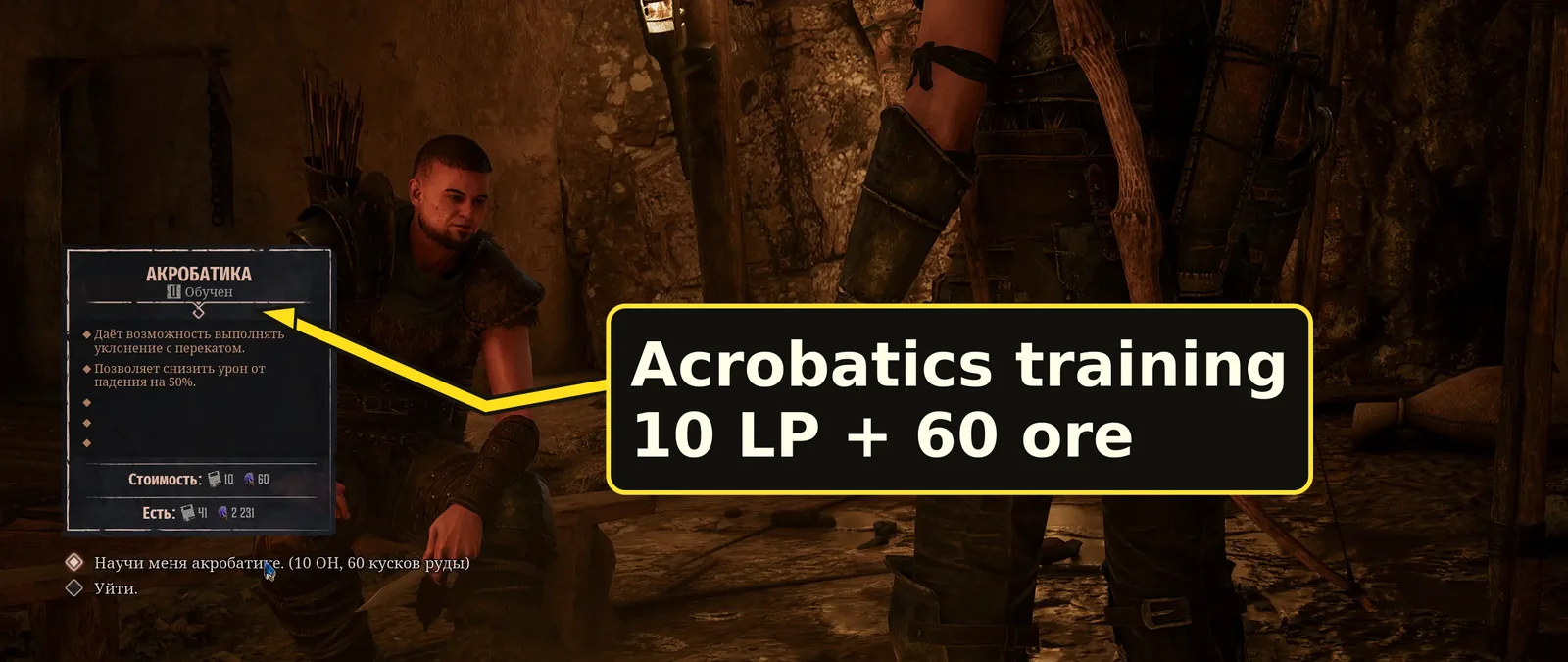
Training cost:
- 10 learning points (LP)
- 60 ore nuggets
Acrobatics gives you a dodge roll and half the usual fall damage. In the character menu, it appears under Movement Skills alongside Climbing and Scavenger Riding.
How do you use Acrobatics, and when does it help?
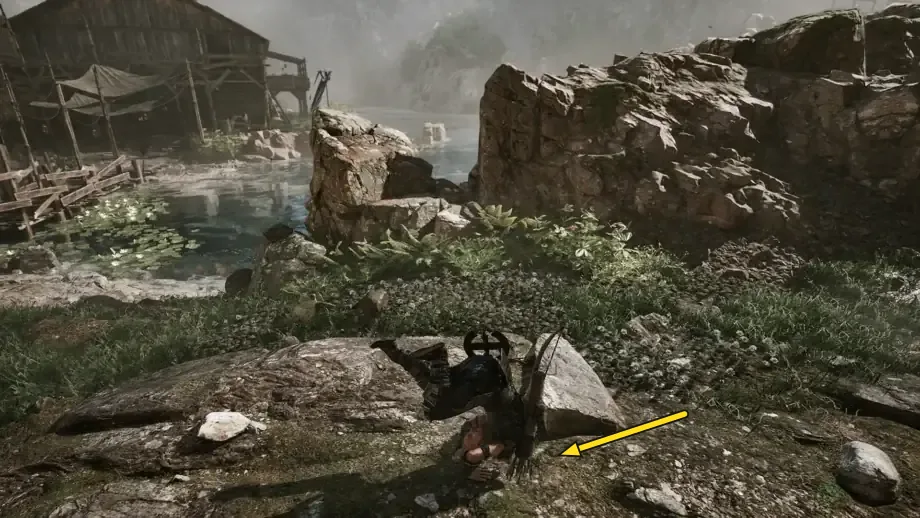
With the default PC controls, double-tap Alt to dodge roll. Your movement determines the direction, so you can roll back, to either side or forward.
Roll to get clear of attacks that can knock you down. Blocking cuts the damage, but a skeleton warrior, shadowbeast or troll can still put you on the ground. A well-timed roll gets you out of reach even when an attack can’t be parried.
Here’s what rolling looks like with different weapons and enemies.
- Melee. Step in, strike, roll back before the counterattack and close in again. An overhead swing with a one-handed axe makes this work even against tough enemies early on.
- Two-handed weapons. Roll toward a fire lizard to land a hit before it breathes fire.
- Bows. Roll a few times to make room, fire a shot and roll again. That works against most enemies.
- Swamp sharks. Land one sword hit, roll back, close in for two more hits and roll back again. Repeat the pattern to bring one down.
When should you roll instead of blocking?
Weapon training makes blocks more effective, especially at Master rank. A block still won’t stop a knockdown.
Acrobatics is worth taking if:
- you haven’t reached master level yet
- you encounter enemies that can knock you off your feet
- you use a bow or like to keep moving in melee
You can do without it if:
- you’ve maxed out your weapon skill and know how to parry
- your armor gives you good protection and you have plenty of health
- the timing of the roll just doesn’t feel right to you
Is Acrobatics worth the cost early on?
Learning points were tight in the original, and the remake puts you in the same spot. Each point matters most in the early levels, when several skills are competing for it.
Ten LP and 60 ore nuggets is a lot to hand over in the first few chapters. The roll starts paying off when you need to escape knockdowns, long lunges and attacks you can’t parry. Acrobatics is worth learning early if you’re still getting the hang of parry timing or tackling Permadeath mode for the “No time to die” achievement.