Key information
- 🎮 Platform: PC (Steam)
- 📅 Release date: October 14, 2022
- 👨💻 Developer / Publisher: Oleg Kazakov, solo indie developer
- ⏱️ Playtime: 40–60 hours for a full playthrough
- ⚔️ Genre: Open-world RPG, fantasy, indie
- 🏆 My verdict: 8/10, a diamond in the rough 💎
Gedonia is one of those games that makes you think, “Wait, did one person really make this?” Created by solo developer Oleg Kazakov (👉 Oleg Kazakov’s YouTube channel), it officially launched on October 14, 2022, after several years in Early Access. It has earned a huge number of positive Steam reviews, and honestly, I understand why I keep getting sucked in.
“Gedonia comes from the Greek word Hedonism, which roughly translates as ‘enjoyment’ or ‘pleasure.’ The term can also describe a place that’s pleasant to be in.”
— Oleg Kazakov, DNS interview with Gedonia’s creator
This isn’t the typical indie RPG that tries to reinvent the wheel, barely manages to get it rolling, and occasionally crashes into the nearest ditch. It’s more like someone took the best bits of The Elder Scrolls, sprinkled in WoW-style mechanics, wrapped it all in RuneScape-like graphics, somehow made it work, and added some ideas of their own. The result is this strange, wonderful mashup that hits exactly the right spot, at least for me.
Gedonia is ideal if you miss the days when RPGs let you be whoever you wanted, consequences be damned. If you’re tired of being led by the hand through tutorials and want to get lost in a world that trusts you to figure things out, this might be your kind of game.
I also have a Gedonia 2 review, so don’t forget to read that afterward if the series catches your interest. Shall we get started?
Gameplay breakdown
Core mechanics
Gedonia’s combat finds a middle ground between clicking frantically and thinking tactically. Early on, yes, you can roll your face across the keyboard through most fights. Trust me, I did. But as you progress, positioning starts to matter, enemy patterns become more complicated, and you actually have to think.
The magic system is really well put together. It isn’t just “press a button, everything dies”: there are actual spell combinations and resources to manage. Melee combat has weight, and archery… let’s just say landing headshots never gets old here.
What really makes it work is how your build affects everything around you. Invested in charisma? Suddenly you’re talking enemies out of fighting. Gone full necromancer? Watch NPCs react differently to your sinister aura. Some quests can’t even be completed to their fullest without the right stats.
Controls and user interface
The interface has that unmistakable WoW feel, which will either send you into a fit of nostalgia or leave you wondering why the inventory looks like it’s still 2004. As a proper WoW player, I’m in the first camp. There’s something oddly comforting about those familiar icons and menu layouts.

The controls are responsive enough, although you shouldn’t expect AAA polish. There’s some clunkiness, as you’d expect from a solo project, but nothing game-breaking. The interface makes sense once you’re used to it, and honestly, the lack of modern hand-holding starts to grow on you.
Mechanics and progression
Attributes and builds
This is where Gedonia really shines. Character progression is seriously impressive, as in, “How did one person design all this?” You have loads of skill trees that interact in interesting ways, allowing builds that feel both distinctive and viable.
Want to be a sword-and-shield tank? Go ahead. Prefer skulking in the shadows as an assassin? Easy. Want to mix necromancy and archery into some unholy sniper build? The game says “Why not?” and gives you the tools to make it work.
The stat system has real depth without becoming overwhelming. Intelligence affects mana and spell effectiveness, but also unlocks dialogue options. Strength makes you hit harder and determines what equipment you can wear. Everything feels interconnected, so each point you invest matters.
Playstyles and class combinations
Gedonia doesn’t lock you into conventional classes. It gives you the freedom to experiment and find your own style. I started as an ordinary warrior and ended up as some kind of blood knight–necromancer hybrid, enjoying every minute.
Here are a few wild class combinations you can actually put together:
- Dark summoner–archer: use necromancy to summon undead while picking enemies off from range. The skeletons tank; you snipe.
- Blood knight: combine blood magic and melee for self-sufficient warriors who scale with HP.
- Stealth assassin–mage: mix rogue skills with arcane magic, such as Blink, for hit-and-run tactics.
- Nature druid–warrior: combine animal shapeshifting with heavy weapons and armor for a true hybrid.
- Charismatic diplomat: a shield fighter who talks enemies down instead of cutting them down.
- Elemental spellsword: the classic sword-and-magic combination, with weapon enchantments and elemental spells.
- Light magic support: focus on buffs, healing, and utility spells to improve combat effectiveness.
- Darkness–nature hybrid: combine necromancy with nature magic to heal your undead minions.

The game actively encourages experimentation. Found an interesting scroll? Try it: it might change your entire approach to combat. Discovered a unique weapon? Build around it. That flexibility also extends to quests. Some problems can be solved through violence, others through magic, and others through good old diplomacy.
What’s especially good is how the world reacts to your choices. NPCs behave differently depending on your faction and even your reputation.
Factions in Gedonia

Fighting hordes of undead during an exciting faction quest in Gedonia
| Faction | Role and identity | Gameplay focus |
|---|---|---|
| Warriors’ Guild | A noble militia loyal to the Kingdom | Melee, ranged combat, defense |
| Bandits | Criminals and outlaws | Stealth, poisons, ranged combat, sabotage |
| Mage Academy | Arcane and elemental spellcasters | Offensive and utility magic, learning spells |
| Necromancers | Dark sorcerers | Summoning undead, curses, debuffs |
| Monastery | A paladin-like religious order | Healing, light magic, defensive buffs |
| Barbarians | Warriors from desert tribes | Brute strength, shamanism, nature magic |
| Merchants | Traders and craftspeople | Economic bonuses, crafting |
| Seers | Mystical hermits | Lore-related abilities, unique quests |
World and atmosphere
World design
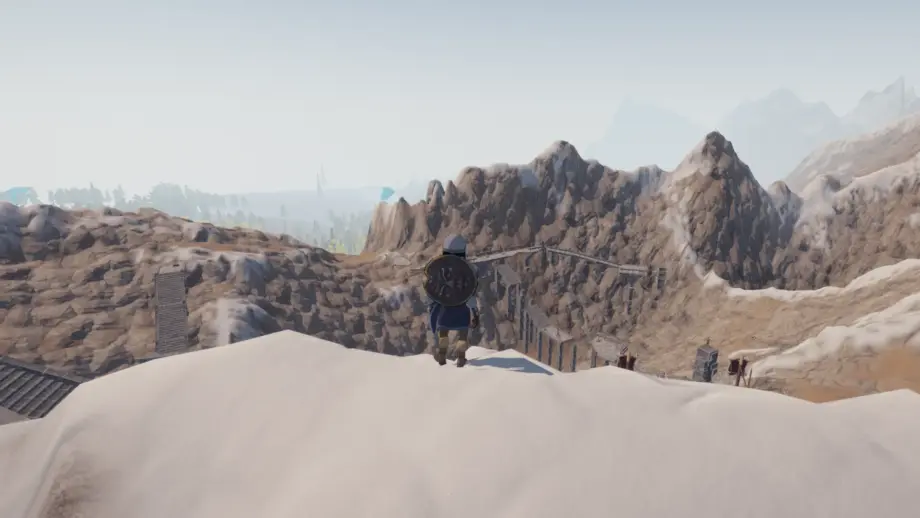
The world of Gedonia spans ten distinct zones, each with its own character and challenges. I like how the developer resisted the modern temptation to cram content into every corner. Sometimes you walk for a while without finding anything, and that’s… actually refreshing when you’re tired of loot around every bend.

It feels more like exploring a real place than visiting a theme park designed to grab your attention every thirty seconds. When you do find something, whether a hidden cave, ancient ruins, or a mysterious shrine, it feels earned.
The variety of zones holds up too. You get the classic fantasy biomes, but each has its own identity and contributes to the world’s lore. Transitions between regions make geographical sense, a small detail that plenty of major studios overlook.
Visual style
Let’s be honest: Gedonia isn’t going to win awards for its graphics. It has that early-2000s MMO look that some will love and others will find dated. I’m a fan, personally, otherwise I wouldn’t still be playing vanilla WoW, even if the technical execution isn’t always great.

The character models are more functional than attractive, but the world itself has charm. Spell lighting effects look pretty good, and some environmental details show a real artistic vision. It isn’t “beautiful” in the modern sense, but it has character.
Sound and music
The music hits those nostalgic fantasy RPG notes perfectly. It isn’t revolutionary, but it suits the mood and never gets tiresome. Sound effects are solid: combat has impact, and magic sounds suitably mystical.
The voice acting… well, it exists. Let’s say it isn’t the game’s strongest point. It’s much better in the sequel, which I’m playing right now. That review will be coming soon.
Story and characters
Gedonia’s story isn’t revolutionary, but it gets the job done. You’re an adventurer seeking fortune and glory, the factions have their own agendas, and mysterious forces threaten the world. Standard fantasy ingredients, delivered with enough heart to keep you interested.

Where the story really shines is quest design. Many quests offer several solutions based on your build and choices. Want to intimidate someone? You’d better have the stats for it. Prefer solving problems with magic? The game often provides magical options. That flexibility makes the story feel personal rather than on rails.
The faction system adds depth to character interactions. Joining different groups unlocks unique storylines and changes how NPCs see you. Your choice of faction has real consequences for your playthrough.
Performance and optimization
System requirements
Minimum:
- OS: Windows 7 / 8 / Vista (32-bit or 64-bit)
- Processor: Intel Core i5-750 or equivalent
- Memory: 4 GB RAM
- Graphics: Nvidia GeForce GTX 960 or equivalent
- Storage: 3 GB available space
- DirectX: Version 11
Recommended:
- OS: Windows 10 (64-bit)
- Processor: Intel Core i5-750 or equivalent
- Memory: 8 GB RAM
- Graphics: Nvidia GeForce GTX 960 or equivalent
- Storage: 3 GB available space
Technical stability
Gedonia runs fairly well for what it is. I encountered a few minor bugs during my playthrough: nothing serious or game-breaking, but enough to remind me this is an indie production. The physics occasionally go strange, and every so often NPCs do something… unexpected.
Most stability problems seem to appear in later zones, which makes sense given the development timeline. Early areas feel more polished, with more enemies and animations, while endgame content shows more rough edges.
Endgame content: where I started asking questions
This is where Gedonia seriously stumbles, which is frustrating because the potential is right there. The endgame comes down to one challenge, where you fight waves of enemies until you die, a little like survival mode or Diablo 3’s rifts. Each wave gives you three fights: two ordinary encounters and a boss at the end. New content keeps being added, though, because the developer is still working on the game. Check its Steam page now and then; another free content expansion might already have been announced.

The equipment rewards are genuinely good: top-tier gear and full sets that let you min-max your builds properly. The problem is that you can only start this challenge once every two hours of in-game time. Not real-world time, mind you: you actually have to play for two hours before trying again.
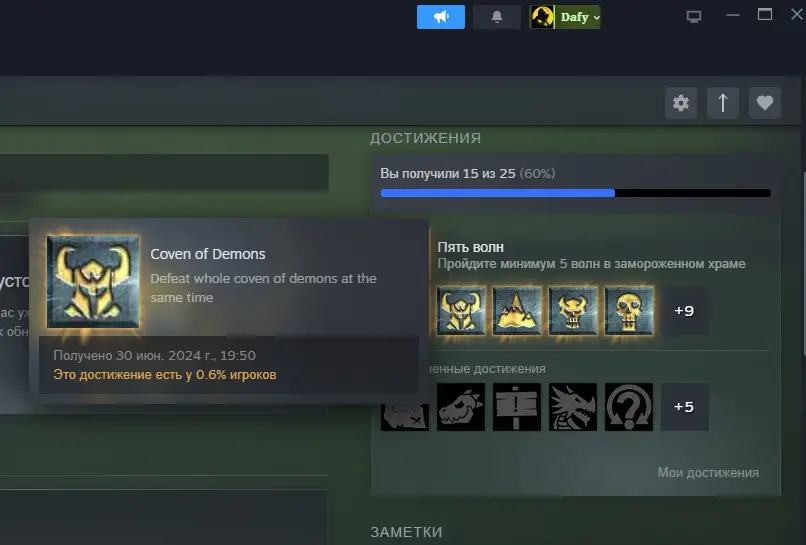
Honestly, it’s the one design decision that leaves me scratching my head. Everything else in Gedonia respects your time and lets you play the way you want. Still, I probably shouldn’t complain: plenty of AAA games can’t even put together decent gameplay. Many manage little beyond New Game+, and some don’t even get that far…
For a game made by one person, it’s still very impressive!
What I ultimately think of Gedonia
Gedonia is a labor of love that delivers on its main promises. Yes, it’s clunky. Yes, the presentation could be better. But underneath that rough exterior is an engaging RPG that respects you as a player and opens up fully if you give it enough time.

This game isn’t for everyone. If you need cutting-edge graphics and voice acting, move along. But if you want deep character customization, meaningful choices, and the freedom to solve problems your way, Gedonia offers them in abundance.
The fact that one person made this game is impressive. Gedonia shows that vision and passion can overcome technical limitations. It’s flawed, but in the right ways: like a favorite band that never became hugely popular but keeps making exactly the music you enjoy.
Ultimately, Gedonia is surprisingly easy to settle into, even after work. That’s difficult to achieve in an RPG with talent trees and armor sets, since choosing equipment and putting together a build usually takes plenty of time and brainpower. P.S. All screenshots were taken by me 😉
Answers to your Gedonia questions
Is Gedonia well optimized for PC?
Yes, Gedonia runs well on midrange hardware and isn't especially demanding. It seems well optimized for its visual style.
Does Gedonia offer in-depth character customization?
Character customization is probably the game's strongest feature, with plenty of skill trees and builds that feel genuinely different.
Is the voice acting really that bad?
It's… not great, to my taste. The dialogue itself is quite decent.
How long will a playthrough take?
Expect 40–60 hours for a full playthrough, depending on how much you explore and experiment with different builds. The game rewards taking your time.