Downloaded a ready-made modpack, launched the game and watched everything break. Sound familiar? The problem is that Oblivion Remastered is more sensitive to plugin conflicts than Skyrim or Fallout. You cannot just dump a hundred mods into the Data folder and hope everything works. One mod changes damage balance, another changes enemy leveling tables, and a third touches quest scripts. Before you know it, your game has become a collection of errors and crashes to desktop.
Everyone has their own Cyrodiil. Some want deeper role-playing with an alternative start and difficult choices; others are happy with better graphics and animations, while others want the combat fixed. No single mod collection suits everyone. What matters is the approach: choose carefully, install gradually and check compatibility. If you are looking for guides and everything else about the game, I also have a general Remastered hub.
How Should You Use This Mod “Collection”?
This page is for newcomers to Oblivion Remastered modding who do not know where to start. It is for returning players facing thousands of Nexus mods with no idea which ones they actually need. And it is for anyone who wants to preserve the game’s balance rather than turn it into a cheat-filled action-adventure where every enemy dies in one hit. It will not suit you if you just want to install a ready-made collection.
More specifically, this page is for you if you:
- Are installing Oblivion mods for the first time and worry about breaking everything
- Want to improve the game but do not know what categories of mods are available
- Want a direction for your modding rather than a ready-made modpack
- Plan a long playthrough and do not want to rebuild your mod collection after 50 hours
- Value the original atmosphere and do not want to turn a fantasy RPG into a different game
Without that basic understanding, there is little point going further: you will just waste time reinstalling the game over and over.
How Do You Choose Mods Without Breaking the Game?
Do not install everything you find. A mod with a high rating and plenty of downloads is not necessarily right for you or compatible with the rest of your collection. Read the description, look at its requirements and check which files it changes. One plugin may edit the enemy leveling table while another changes the same values in its own way. The result? A conflict that only becomes apparent once you reach high-level areas.
Installation order matters. Here is how that works in practice:
- Foundations: engine bug fixes, unofficial patches and mods that improve stability
- Interface and controls: menu improvements, camera slider adjustments and optional button changes
- Graphics and sound: textures, models, lighting and voice acting
- Gameplay changes: rebalancing combat, magic and character progression
- Additional content: new quests, locations, NPCs and equipment
Test each new mod separately. Load the game, walk around and check for strange visual artifacts or camera problems. Enter a town and see whether merchant menus work properly. Pick up a quest and make sure it appears correctly in your journal. This takes 10–15 minutes, but saves you from guessing which of the last 20 mods broke the game.
That is precisely why I do not trust ready-made collections.
One conflicting script can break a questline in a way you only discover 20 hours later, when an NPC refuses to give you the next quest or an item fails to appear where it should. That is precisely why I do not trust ready-made collections.
Back up your saves before installing anything new. And yes, keep a text file recording what you installed and in what order: it will spare your nerves when you are hunting down a bug. This is especially important for mods that change the same part of the game:
- Combat: damage, enemy reactions and hit detection
- Loot balance: the chance of finding rare items in containers
- Character progression: how difficulty scales with your level
- Questlines: the scripts that control quest progression
One more thing about compatibility: read the comments and the Posts tab on the mod’s page. People usually report conflicts with other popular mods, compatibility patches and the conditions needed for things to work. A mod may require a specific game version or additional libraries. Miss that detail, and it either will not work or will crash the game under certain circumstances.
Mods for Gameplay, Progression and RPG Systems
Alternative Starts and Opening the Game
Personally, I wore out the standard opening a long time ago. You are a prisoner in a cell, the Emperor happens to pass through your prison, he dies, you receive an amulet and emerge into the world through the sewers.

Want to play a merchant who starts by restocking a warehouse in town? A mage-researcher who begins on an island with a laboratory? Or a mercenary who wakes up in a tavern after completing a job?
That is where alternative start mods for Oblivion help. They give your character a context and bring you straight into the world without the familiar opening. Different ways into Cyrodiil change your first impression and set the tone for the whole playthrough. You are not a “chosen one” freed by accident: you are a resident with a history, goals and reasons to be here. There is even a mod where the Emperor is still alive and you decide when to start the main quest.
Combat and Battles
Vanilla Oblivion combat means swinging a sword and hoping the enemy hitbox agrees that you connected. Enemies react late, fights feel sluggish, and everything comes down to who can spam attacks faster. No tactics, no real use of positioning or timing, just a DPS race. Creature leveling makes things worse: high-level enemies become damage sponges without changing their behavior. They simply take longer to die. That is the entire difficulty increase.

Combat mods for Oblivion Remastered address those problems by giving hits weight, adding reactions to blocks and varying enemy attacks. Fighting becomes more deliberate: when you attack and how you manage distance now matter.
Magic and Spells
Magic is one of Oblivion’s strengths. Its spell system is more flexible than Skyrim’s, letting you create your own effect combinations through alchemy and custom spells. But the standard selection of magic schools is limited, and spell balance is uneven. Summoned creatures do not scale properly with your level, spell ranges can be awkward, and some schools are simply weaker than others for no clear reason.
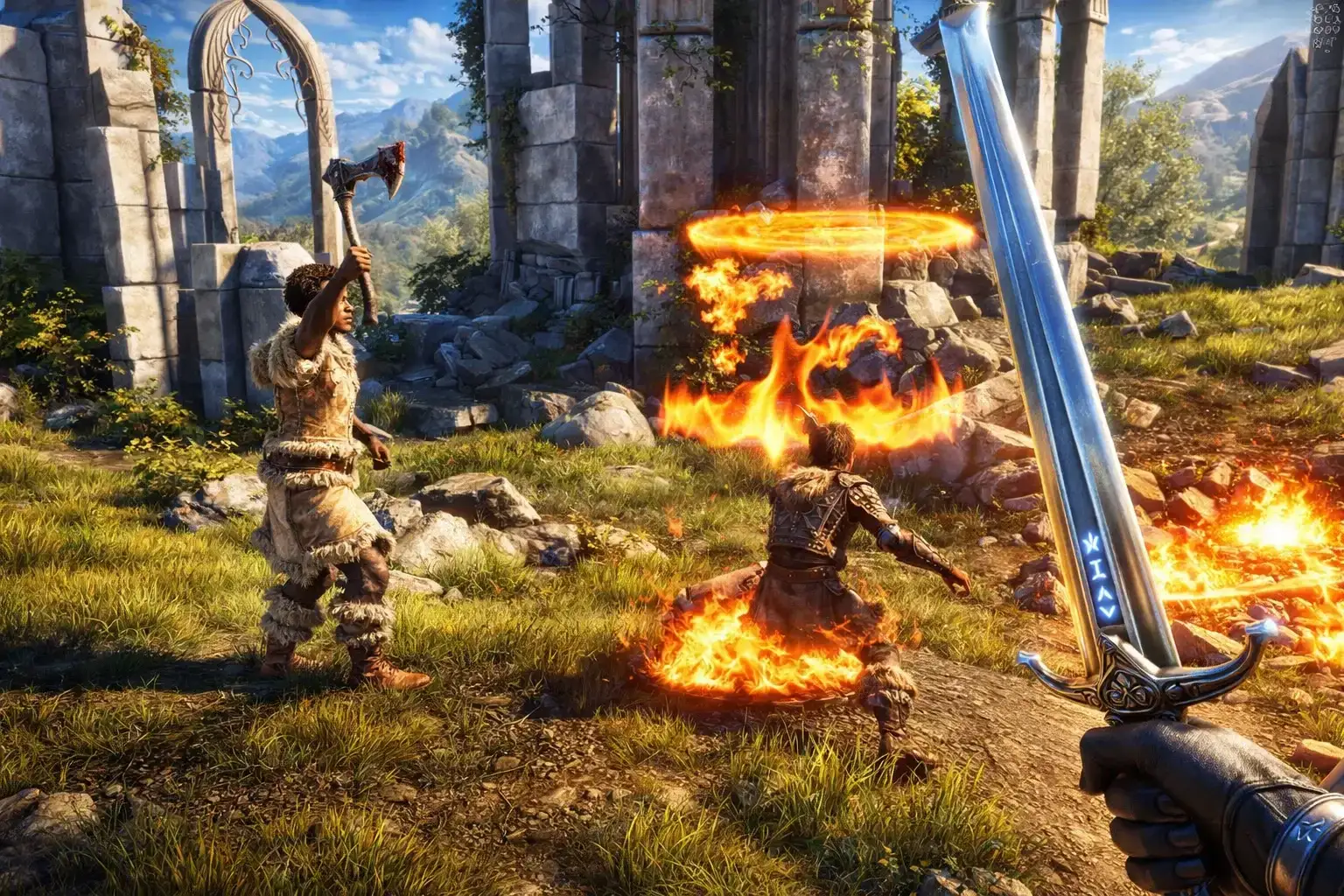
Magic mods for Oblivion expand your options without turning your mage into a walking cheat. New schools, extra effects, fixes to summoned creature damage scaling and rebalanced spell costs. Magic stays balanced while gaining the depth the original lacked. Your mage is no longer just a “fireball caster,” but someone choosing between different approaches to a problem.
Location and Quest Mods for Remastered
New Locations and a Larger World
Parts of Cyrodiil feel rather empty. Miles of forest stretch between towns, with a few random ruins and the usual loot containers. The open world is there, but its contents are lacking: exploration soon becomes routine when you realize most dungeons are variations on the same template. You do not feel as though you have found something valuable or unique, just another map marker with a predictable reward.

New location mods for Oblivion Remastered add regions, dungeons, settlements and islands. Cyrodiil grows organically, with new places that fit the lore and give you a reason to keep exploring even after a hundred hours.
Quests and Story Expansions
The best Oblivion quest mods are almost full DLCs: stories with development, moral dilemmas and solutions that are not immediately obvious. Sometimes a mission ends differently from what you expected, which is a good thing because it brings an element of unpredictability.
Good quest mods for Oblivion Remastered change the pace. Instead of endlessly grinding guild tasks, you get questlines where earlier decisions affect the options available now. They expand guild quests and give you more to do between following the main story and clearing Oblivion gates.
Followers and Companions
Vanilla NPC followers in Oblivion are primitive; really, the game barely has a companion system at all. They follow you, usually as part of a quest, sometimes attack enemies and sometimes stand around watching. No personality, no conversations, no response to your actions. Just a bag of hit points that trails behind you and occasionally blocks a doorway. After an hour with that kind of companion, going solo starts to look appealing.

Oblivion Remastered follower mods give companions depth. These are actual characters with histories, motivations and comments on what is happening. They react to locations, take part in conversations and have equipment and combat style preferences. You can even assemble an entire army.
Graphics and Atmosphere Mods for Oblivion Remastered
Graphics and Lighting
Remastered improves the visuals over the 2006 original, but there is still room to go further. You can replace textures with more detailed versions, make the lighting more atmospheric and give spells better effects. The visuals are decent on their own, especially the lighting, but soon feel a little plain, particularly if you have played modern action RPGs and seen what a fantasy world can look like with the right approach to graphics.

These Oblivion Remastered graphics mods improve image quality without losing the original atmosphere. Better textures for terrain, buildings and objects. Reworked lighting that makes dungeons darker and daylight more natural. Magic effects that actually impress on screen. Do not overdo it: visuals that are too “pretty” can kill Oblivion’s particular atmosphere and turn it into another glossy RPG with no character.
Weather and Climate
Rain, fog and thunderstorms create a particular atmosphere and make the game world feel alive. But the weather system is basic: abrupt transitions, little variety and unconvincing effects. Sometimes the weather stays unchanged for hours.
Oblivion Remastered weather mods make Cyrodiil’s climate more dynamic. Smoother transitions between conditions, a wider variety of effects and seasonal changes. Swamp fog gets thicker, mountain rain looks colder, and thunderstorms become more dramatic.
Animations and Smoother Movement
Dated animations undermine the experience even when the graphics look good. Characters move like robots, NPC gestures are mechanical, and combat animations look like a slideshow. It is especially noticeable after games with properly developed movement animation: you return to Oblivion and watch your character lean at an unnatural angle while running uphill.
Animation mods for Oblivion Remastered bring movement to life. New walking, running, attack and interaction animations. Smooth transitions, natural NPC gestures and body movements that respond to actions. With these mods installed, the game looks more modern because characters behave like living beings rather than models stuck with rigidly scripted movements; the difference goes beyond graphics alone.
Mods for New NPCs, Races and Customization
NPC Faces and Appearance
The original’s “potato” faces are a personal sore spot. They annoyed me so much that I dropped the game more than once back in the day. Even in Remastered, the facial models look odd: disproportionate features, flat textures and expressions that seem limited to two jaw positions. That was tolerable in 2006, but now every NPC conversation reminds you that you are looking at dated technology. Argonians and Khajiit stand out in particular: their faces look like masks rather than living faces.
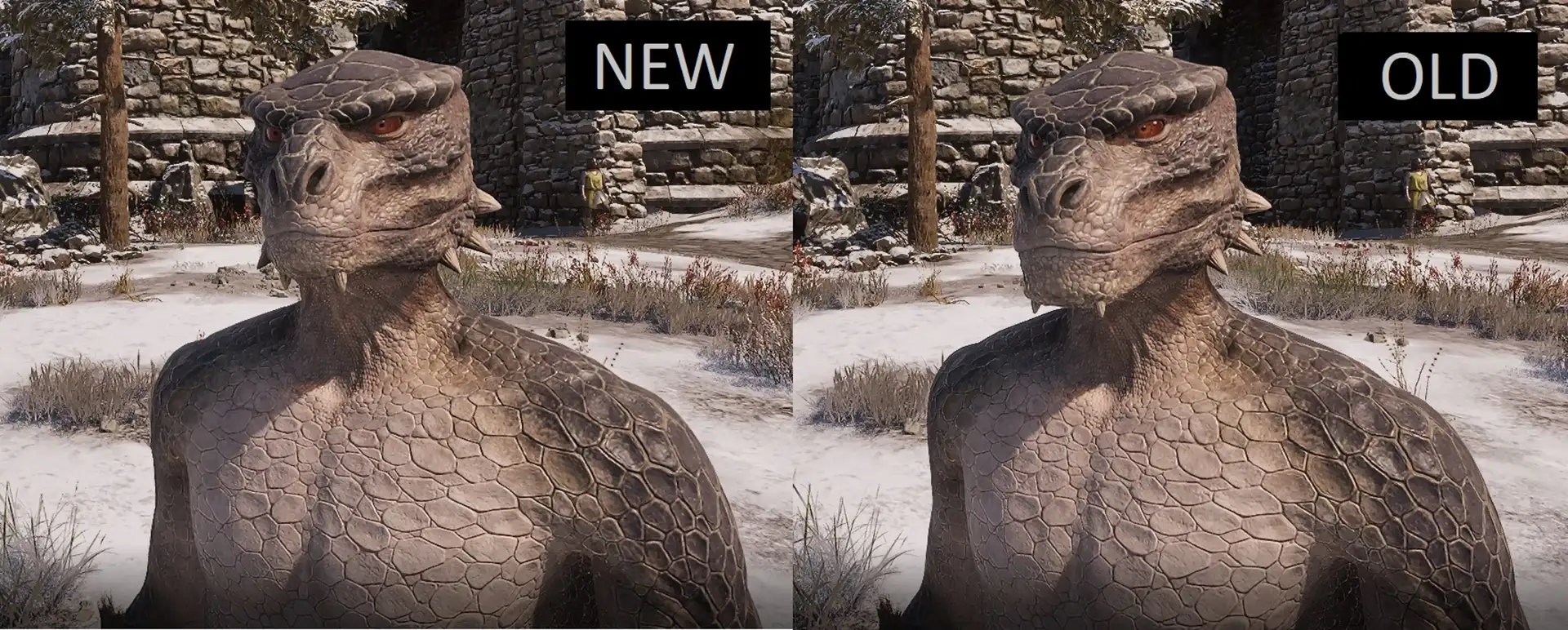
Face mods fix proportions and improve expressions. New face models for every race, reworked skin textures and natural expressions. NPCs stop looking like identical clones with minor variations, giving each one an individuality you can see immediately. Looking at NPC faces no longer hurts your eyes, especially during persuasion.
Races and Their Traits
Vanilla Oblivion races differ in stats and a couple of unique abilities, but that is not enough for meaningful role-playing variety. Playing a Nord or a Redguard ends up feeling much the same: by midgame, the difference fades as the starting bonuses stop mattering. There are no deep mechanical differences or unique playstyles tied to your race. Bretons are still overpowered.

Race mods expand the lore and add gameplay differences. Unique abilities that stay relevant throughout the playthrough, racial traits that affect how you interact with the world and different starting conditions based on your background. Your race starts affecting gameplay again, rather than just your character’s appearance in the creation menu.
Equipment and Item Mods
Weapons
Oblivion’s arsenal works, but it is boring. Swords, axes and bows do their jobs, yet there is little distinctive weaponry with character. Most items differ only in damage numbers and names; within a category, they look almost identical. A legendary sword looks like an ordinary one with different stats.

Weapon mods add variety: unique models, new weapon types and balanced stats. Valuable weapons now actually look special, and choosing between types becomes a matter of style as well as numbers.
Armor and Clothing
Armor has the same problem: repetitive visuals and few options between light and heavy. Want to look like a mage in luxurious robes? You will have to sacrifice protection. Need practical armor without the knightly appearance? Your options are limited. Armor mods and clothing mods work well together to expand your character’s wardrobe.
New sets, options with intermediate protection and distinctive clothing for role-playing. Your character can look like a mercenary, aristocrat, hermit or merchant, with their equipment showing it as clearly as their behavior.
Mods for New Homes and Existing House Improvements
Buy a house in town and you get an empty box with a bed and a couple of containers. No atmosphere, no functionality and no reason to spend time there beyond storing loot. You return from quests, dump your things in a chest and immediately leave: there is nothing else to do.
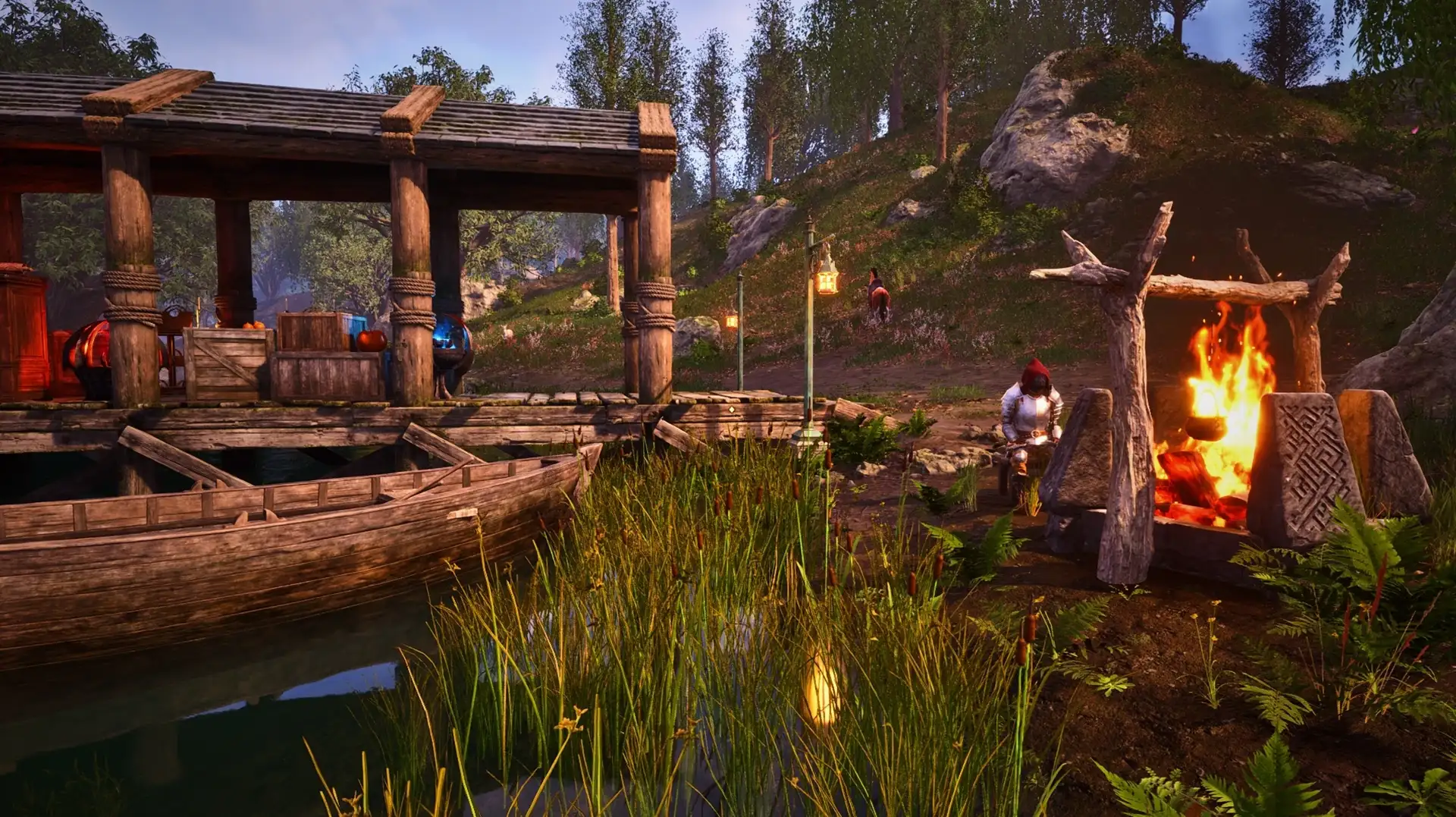
Mods for existing and new homes add atmosphere and functionality. Homes with character: a mage’s tower with a library and laboratory, a thief’s den with hidden stashes, an aristocrat’s mansion with servants. Places you want to return to for a sense of personal space in the world as well as somewhere to store equipment.
Performance Mods and Better FPS
Even Remastered is not perfect when it comes to performance. Add graphics mods, new locations and better textures, and your FPS starts dropping in towns and busy areas. On weaker hardware, that becomes a slideshow; on midrange systems, it means unpleasant drops as new areas load. That is before you account for possible memory leaks from poorly optimized mods.
Oblivion Remastered performance mods address those problems: optimized meshes and textures, memory leak fixes and better asset loading. Some let you adjust effect resolution through optional settings, while others remove unnecessary details that consume resources without improving the visuals. The aim is stable gameplay even with plenty of mods in your collection.
Mods Worth Adding to Any Collection
Almost forgot: some mods do not fit neatly into a single category, but still deserve attention. Unusual mechanics, gameplay experiments and well-made projects that change how the game feels as a whole.
The best Oblivion Remastered mods worth trying is a selection of exactly those projects. Essential additions to any mod collection. Well, apart from Skyblivion, obviously 🙂
I Hope You Find Some New Mods Here to Refresh Your Collection
Oblivion has always been about your choices and role-playing, like the other Elder Scrolls games. That is why I do not think there is a perfect mod collection for every player. There is your Cyrodiil: a version of the world that reflects your priorities. Some want difficult combat and dangerous enemies, some want atmospheric locations and quests, and others want visuals and animations.
The goal is to play the version of Oblivion that you enjoy.
The main thing is to take your time, install mods gradually, make backups and read the instructions in their descriptions. And remember: modding is a process, not the goal. The goal is to play the version of Oblivion that you enjoy.