Crafting in most RPGs seems like a secondary feature. You’re probably familiar with a system like this — some hidden sub-menu where you drop ingredients, hit 'create,' and get a potion that’s weaker than what’s lying around on the ground.
Today we’ll check out a selection of RPGs where the crafting system is woven into the progression, where forged gear outshines the merchants’ trash, and gathering materials actually makes sense beyond just filling your inventory.
Legend of Mana
🖥️ Available on: PC, Nintendo Switch, PlayStation 4
⏳ Playtime: 16.5-18.5 hours (main story), 35-40 hours (with extra content)
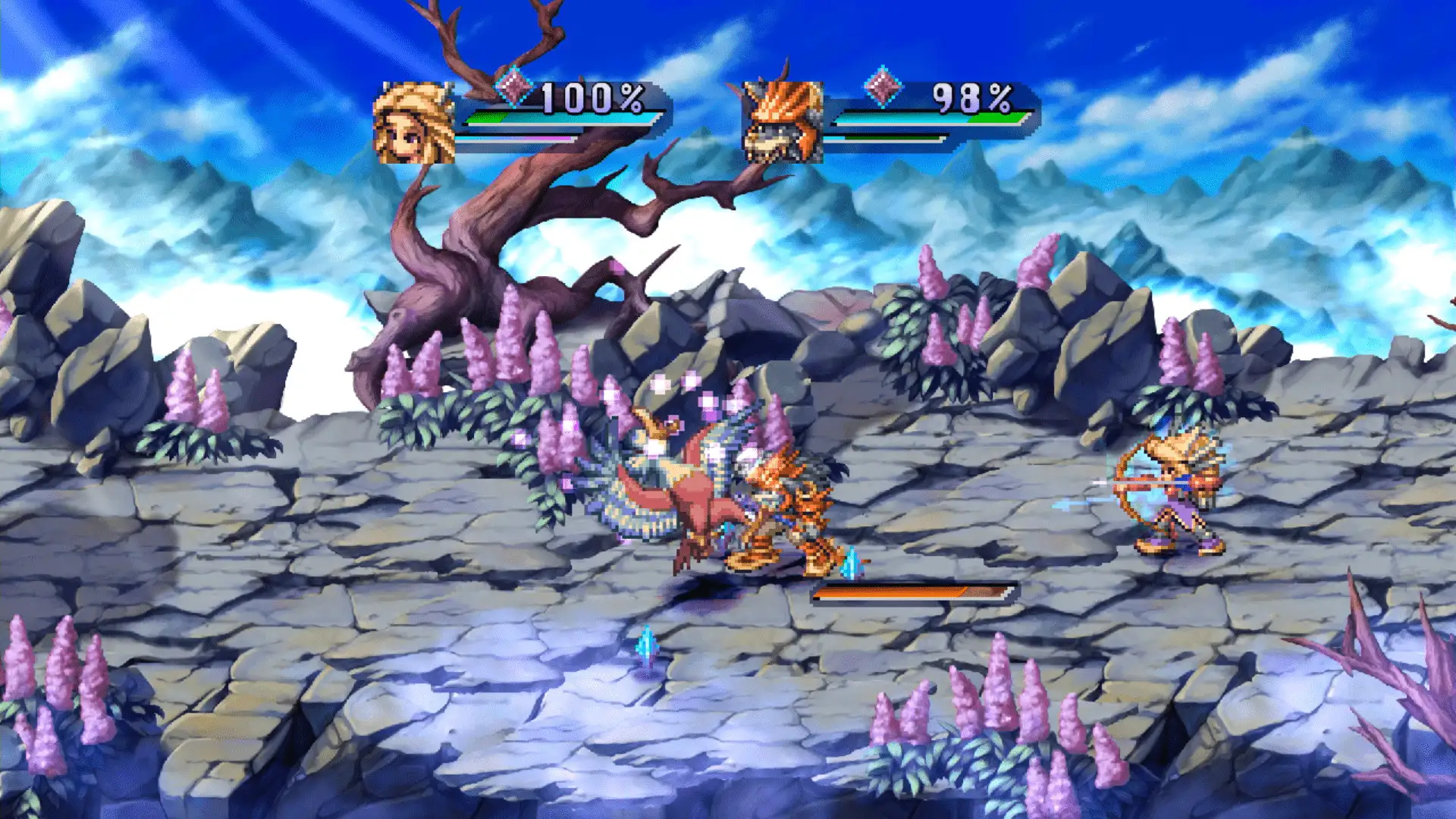
Legend of Mana is a strange, beautiful JRPG from Square Enix, whose remaster came out in 2021. The whole thing revolves around the Land Creation system, where you literally place artifacts on a blank map to generate towns and dungeons. The story follows your custom character, who is restoring Fa'Diel after an ancient catastrophe, and you meet quirky NPCs while dealing with elemental spirits. Lore of the Mana Tree ties everything together if you care about a detailed world 😊
Tempering — this is where the game really shines. You’re not just mixing ingredients according to a recipe. You strategically combine materials, changing the weapon’s element, its stats, and behavior. The system is incredibly deep, and honestly, without a guide, it’s mind-boggling. But once you get it, you can craft stuff that one-shots bosses. Hunting for the perfect materials from specific monsters becomes a real addiction.
| ✅ Pros | ❌ Cons |
| Gorgeous watercolor background in the remaster | Without guides, figuring out the Tempering system is almost impossible |
| Great soundtrack | No quest log or mini-map — everything’s old school |
| You build the world map yourself by uncovering new locations | At the start of the game, it’s easy to get lost and not know what to do |
| Combat requires skill, not just button mashing | Without understanding the mechanics, replayability takes a hit |
| Deep and intertwined character stories | In some dungeons, the game’s pace slows down a lot |
You'll like LoM if…
You appreciate JRPGs that respect your intelligence and don’t hold your hand. The game expects you to make mistakes and learn.
- You want freedom in exploring and shaping the world.
- You enjoy real-time combat.
- You’re not scared off by complex, intricate crafting mechanics.
- You’re ready to replay for different quest endings.
Vagrant Story
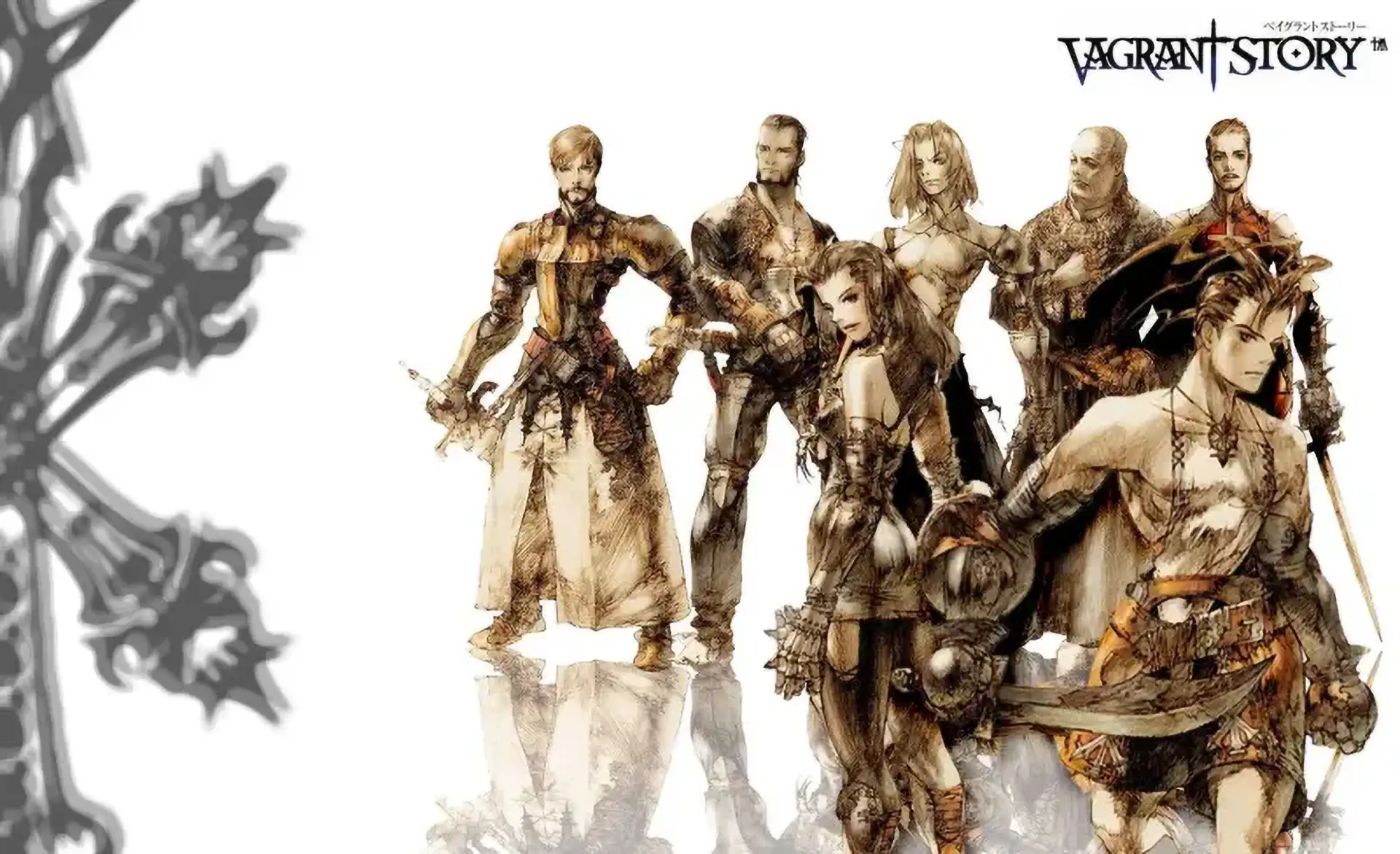
🖥️ Available on: PC (emulation), PS1, PS Network
⏳ Playtime: 20–30 hours (first playthrough), 40+ hours (collecting all weapons)
A dark gothic Action-RPG from Square that has held up better than many modern releases. You play as Ashley Riot, an elite agent investigating the mysteries of the ruined city of Lea-Mond. The plot here is adult, without anime clichés: conspiracies, cults, and politics.
Crafting weapons here is the foundation of survival. You literally assemble swords and axes piece by piece: blade, hilt, pommel. Each weapon has not only a damage type (slashing, crushing) but also racial character progression. The sword you’ve been using to fight dragons for a long time will become perfect against them but useless against humans. You’ll constantly have to juggle your arsenal, rebuild weapons in workshops, and insert gems. The feeling when you’ve crafted the perfect blade for a specific boss with your own hands is priceless.
| ✅ Pros | ❌ Cons |
| Unique dark atmosphere and lore | Mechanics are explained very sparsely |
| Deep crafting that encourages planning | Complex combat focused on timing and rhythm |
| Fighting depends on the player's skill, not just numbers | Gameplay is all about dungeon crawling |
| Outstanding character design and sound | Slow interface (shoutout to the PS1 era) |
| Cool "New Game+" that lets you carry over your gear | High entry barrier for beginners |
VS is for you if…
You like figuring out systems through trial and error and don't need the game to hold your hand.
- Combat is a puzzle for you, not just a damage check.
- Crafting depth matters more than its simplicity.
- You enjoy gothic (not that gothic) and serious storylines.
- You're ready for grinding and reworking your gear for each enemy.
Dragon Age: Inquisition
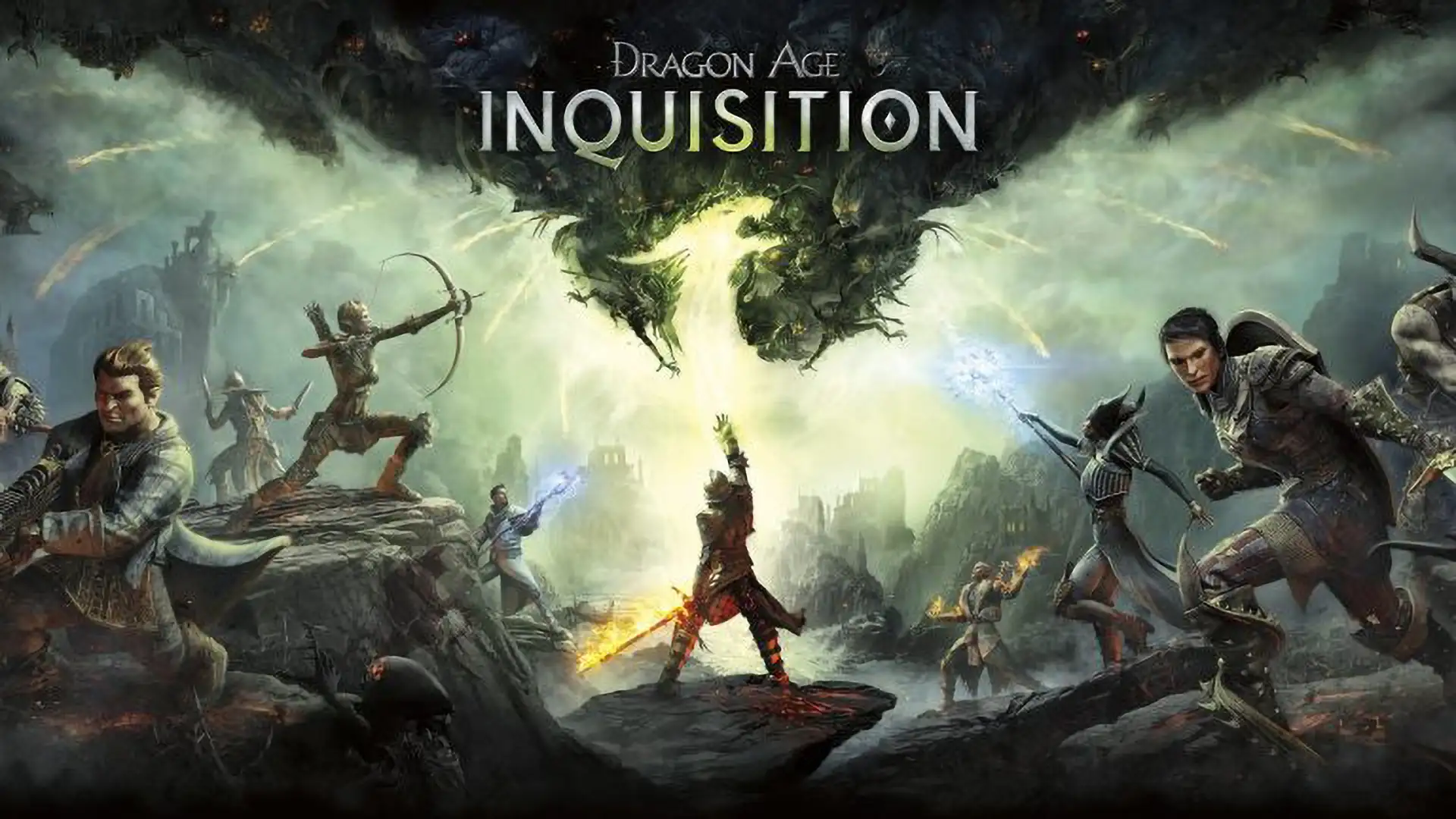
🖥️ Available on: PC, PS3/4, Xbox One/360
⏳ Playtime: 47–50 hours (story), 120+ hours (everything included)
You are the Inquisitor, the sole survivor after the magical cataclysm that tore the sky over Thedas. Your task is to close rifts in the Fade, gather an army, and stop an ancient evil. It's classic BioWare: epic, companions, and saving the world, but with a focus on scale.
crafting revolves around Masterwork Schematics. You find blueprints, and the item's stats depend on the materials. Want high crit? Go for dragon bone. Need magic resistance? Use silverite. The main feature is slots for special materials that grant unique effects (like a chance to cast a spell on hit). By mid-game, crafted gear becomes so powerful that any boss loot feels like junk. Hunting for rare resources and schematics becomes a mini-game within the game. When gathering materials makes you want to build a place of your own rather than just another weapon, these RPGs with base building are worth considering.
| ✅ Pros | ❌ Cons |
| Full control over stats and armor appearance | Crafting kills the joy of finding loot |
| Great story and moral dilemmas | Lots of MMO-like fetch quests |
| Flexible build customization for the whole party | You can get stuck in the Hinterlands, mining ore for hours |
| Cool DLCs (especially 'The Trespasser') | Bloated world with tons of little activities |
| High replayability thanks to race and class choices | DLC quality jumps from masterpiece to mediocre |
You'll like DAI if…
You love creating perfect builds and can forgive the game for 'filler' in the open world in exchange for awesome gear.
- You enjoy crafting legendary items yourself instead of relying on random drops.
- You love tactical pause-and-play combat with party control.
- You care about the story and its impact on the world.
Fallout 4
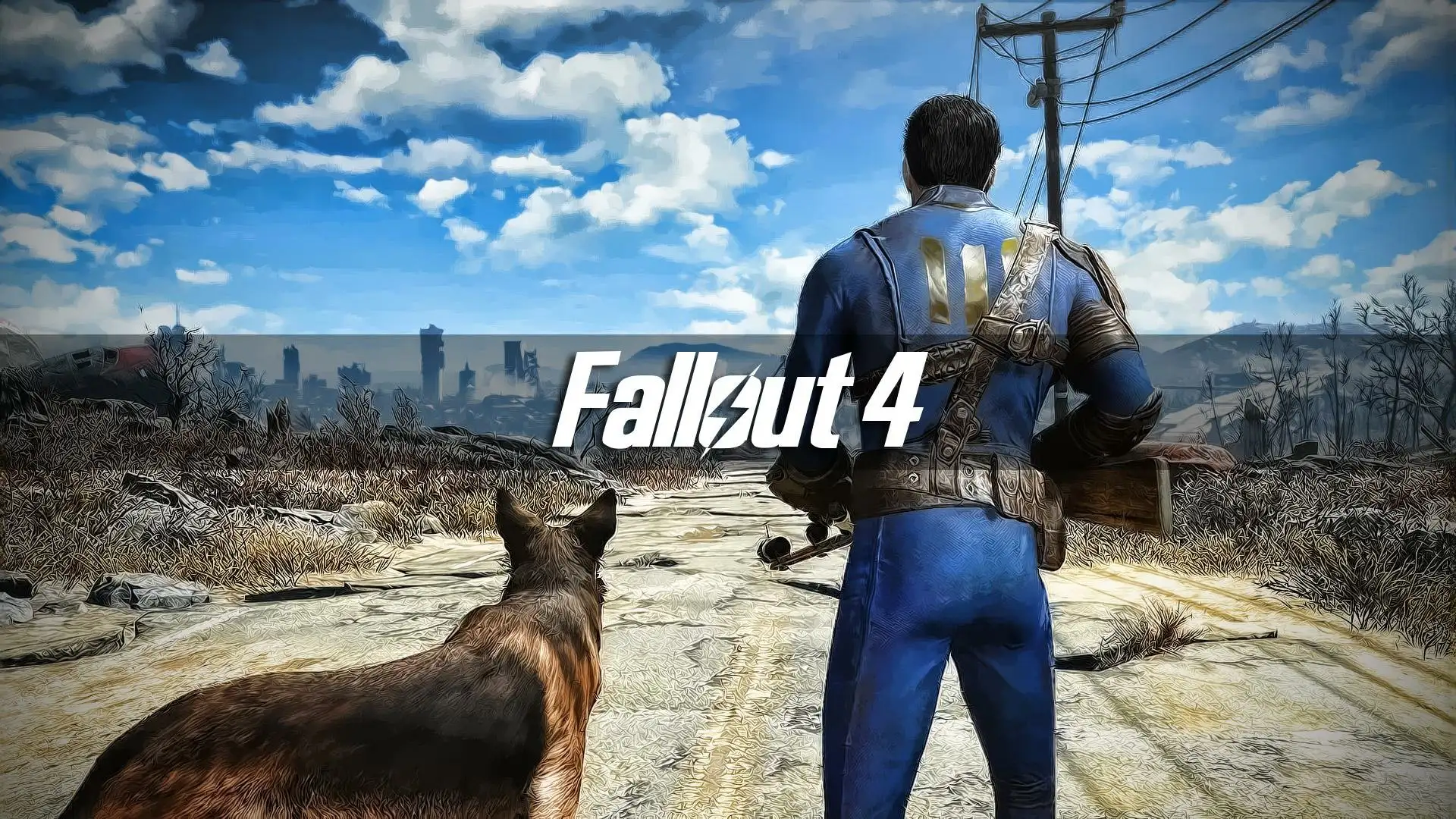
🖥️ Available on: PC, PS4/5, Xbox One/Series
⏳ Playtime: 30 hours (story), 200+ hours (with mods and building)
An action RPG set 200 years after a nuclear war, where you explore the Commonwealth wasteland as the Sole Survivor. Conflict with the Institute forms the core of the story, which is better than commonly thought, even if the dialogue wheel simplified things compared to previous games.
Fallout 4 offers comprehensive crafting: weapon modification (receiver, barrel, stock, scope attachments), armor customization, settlement building with resource management, and creating consumables (items, ammo, food). Weapon modding alone has hundreds of combinations — you can turn a basic shotgun into a sniper rifle or a shotgun depending on which parts you attach. Armor works similarly with layered pieces (underarm, chest, arms, legs), each of which takes mods for different resistances. Settlement building lets you create entire player bases with defenses, resource generation, and NPC management, though the system feels raw without mods like Sim Settlements.
| ✅ Pros | ❌ Cons |
| Unmatched weapon customization with hundreds of attachment combos | Settlement building feels mandatory despite being optional; poorly explained |
| The settlement system lets you build and manage multiple player bases | The base crafting system lacks depth without mods; the vanilla version feels grindy |
| A massive mod ecosystem with community content extends gameplay indefinitely | The design of repetitive quests prioritizes quantity over quality |
| Survival mode adds permadeath and resource scarcity for hardcore players | Performance issues in large settlements, especially without optimization |
| Flexible storytelling lets you get multiple endings with different factions | Needing mods for balance hints at flaws in the base game's economy |
You'll like FO4 if…
You want an RPG where modding isn’t just cosmetic, it fundamentally improves systems that were unfinished in the vanilla version.
- The depth of weapon customization is more important than the complexity of RPG stats
- Building settlements sounds fun (especially with Sim Settlements mods)
- You don't mind survival mechanics and resource management
- A post-apocalyptic setting with dark humor appeals to you
- You're interested in modding and installing mods
Path of Exile 2
🖥️ Available on: PC
⏳ Playtime: 25-50 hours (Acts 1-3 in early access), 40-60 hours (full campaign at release), 100+ hours (endgame)
Next-gen action RPG with a fully revamped crafting system that replaces currency spam with Entities (guaranteed stat modifications), Ritual Marks (Exalt-like with more control) and Soul Cores (socketable items with stats). Act storylines guides your character through a dark fantasy world, twisted by otherworldly forces.
Players create gear by upgrading normal items to magical ones using Essences, then to rare items through Enhancements, with optional Metacrafting to tweak stats. Essences provide deterministic crafting, where you know which stat you'll add, instead of gambling with currency orbs like in PoE 1. Soul Cores add another layer, these socketed items give specific bonuses and can be placed into gear for targeted builds.
| ✅ Pros | ❌ Cons |
| The revamped crafting removes the frustration of randomness compared to PoE 1. | Concerns about the lack of currency limit how often you craft. |
| Entities provide the gear needed for your build right at the start of the campaign | Less player freedom compared to the more complex systems in PoE 1 |
| Soul Cores add strategic depth through socket specialization | Removing the crafting bench from early access sparked controversy |
| Accessible for new players who found PoE 1 overwhelming | Limited endgame crafting variety compared to fossils/bestiary/harvest from PoE 1 |
| Regular content updates with new leagues every 3 months | Entry barrier is still high for ARPG newcomers |
You’ll like PoE 2 if…
You want an ARPG where crafting actually matters and doesn’t require a doctorate in currency rates.
- Deterministic crafting is more appealing than pure random-based gambling
- You like planning your build around specific stat combinations
- Isometric ARPGs with a skill stone system catch your interest
- Endgame optimization and league mechanics sound exciting
- You want a live-service game with regular content updates
Tainted Grail: The Fall of Avalon
🖥️ Available on: PC, PlayStation 5, Xbox Series X/S
⏳ Playtime: 8-10 hours (speedrun of the story), 15 hours (average), 50-75 hours (with most side content), 75+ hours (100%)
A mature, story-driven action RPG set in a dark fantasy world. Avalon, 600 years after the fall of King Arthur. There is a Wyrd (Wyrdness) mechanic that increases enemy difficulty and changes the world's appearance every night.
The crafting system focuses on several interconnected mechanics: Blacksmithing (weapon/armor upgrades), Alchemy (potion brewing), Cooking (buff food), and Resource gathering (ore mining, herbalism). You’ll need crafted potions for specific bosses, cooked food gives buffs that make exploration safer, and upgraded weapons directly affect your ability to handle enemies enhanced by the vird.
You can even have your own house, and not just one, crafting stations, and interactions with NPCs that unlock new recipes. Pretty deep mechanics for a game most people haven’t even heard of.
| ✅ Pros | ❌ Cons |
| The various crafting systems are meaningfully intertwined with survival mechanics. | The crafting interface is unintuitive, with poorly explained resource distribution |
| Story-driven game with 250+ NPCs and interesting dialogues | Short main storyline (~15 hours) compared to what the ads promised |
| Moral complexity avoids simple good/evil choices | The crafting system is controversial due to low success rates |
| Skill-based combat with dodging/parrying | Performance issues on console versions |
| Rich storytelling through the environment with secrets and hidden content | Difficulty balance is inconsistent: some bosses become easy if you overlevel |
You'll enjoy Tainted Grail if…
You want a dark fantasy RPG where crafting feels integrated into survival, not just tacked on.
- You enjoy interconnected crafting systems (alchemy, cooking, blacksmithing)
- You're interested in morally gray stories with unforeseen consequences
- Combat that relies on your skills
- You don't mind shorter main stories if the side content more than makes up for it
- You like the dark fantasy aesthetic
Dark Cloud 2
🖥️ Available on: PlayStation 2 (original), PlayStation Plus Premium (PS4/PS5), Emulation (via PCSX2)
⏳ Playtime: 51 hours (main story), 70.5 hours (with extra content), 142 hours (100% completion)
Dark Cloud 2 stands out with a complex weapon synthesis system, where characters level up their weapons in battle and then turn them into stronger versions through synthesis trees. Each weapon has stat requirements and evolution paths — you can't just upgrade blindly; you need certain stat thresholds before synthesis becomes available. The Invention System allows you to craft buildings, decorations, and items using collected components.
You photograph objects in dungeons, combine ideas in your invention book, and create everything from furniture to fishing rods. The Georama mechanics (city-building) run alongside dungeon progress — you build cities using invented structures, place them according to NPC requests, and unlock story progression. It's pretty brilliant how crafting is woven into multiple systems instead of existing in isolation.
| ✅ Pros | ❌ Cons |
| Exceptional weapon synthesis rewards replaying dungeons and farming materials. | Significant grinding is required for character and weapon progression; synthesis cooldowns stretch out gameplay time. |
| City-building in Georama provides satisfying visual feedback and world customization. | Procedural dungeons lack the refinement of fixed-level designs. |
| Extensive side content, including fishing, golf, and mini-games, prevents burnout | Spikes in difficulty require significant weapon grinding; progression is limited by stats |
| Engaging story with multiple playable characters and branching moments | Micro-management fatigue from constantly juggling weapons/items |
| Rich material economy makes resource gathering meaningful | Fishing mechanics are debatable, advanced systems feel tedious |
You'll enjoy DC2 if…
You want a JRPG where crafting systems are tied to city-building and dungeon progression in ways most games don’t even try. Crafting does not have to mean repeating the same resource route for hours; these RPGs without endless grinding offer another way to think about progression.
- Weapon evolution branches and synthesis paths sound exciting
- You like city-building as a gameplay mechanic
- You don't mind procedural dungeons if the loot variety is high
- Side content like fishing and mini golf games adds value for you
- PS2-era JRPGs make you nostalgic
The Elder Scrolls V: Skyrim
🖥️ Available on: PC, PlayStation 4/5, Xbox One/Series X|S, Nintendo Switch, VR
⏳ Playtime: 25-35 hours (main story), 100+ hours (with major questlines), 200+ hours (exploration), 300-700+ hours (for completionists)
A fantasy open-world RPG where you explore Skyrim's northern province as the Dragonborn, with the ability to absorb dragon souls. Civil War questline and the dragon crisis form the backbone of a story that's more about exploring the world than linear storytelling.
Skyrim offers three main pillars of crafting: Alchemy (potion/poison brewing with 2000+ ingredient combinations), Blacksmithing (weapon/armor forging and tempering) and Enchanting (applying magical effects to gear).
| ✅ Pros | ❌ Cons |
| Crafting is completely optional but rewarded; no mandatory grinding | Alchemy is too strong: Fortify Enchanting potions create loops of infinite power |
| Alchemy is incredibly profitable, letting you generate wealth by selling potions | The usefulness of Blacksmithing in the late game is questionable since unique items outshine crafted gear |
| Enchanting provides the power scaling needed to handle late-game difficulty | The Enchanting menu gets tedious after reaching high levels with hundreds of effects |
| Modding expands crafting with new ingredients, recipes, and mechanics | Gathering materials is tiring without mods; it requires extensive harvesting |
| Freedom of customization allows creating gear for any aesthetic | Mods are necessary for balance; the vanilla economy becomes trivial once skills hit 50+ |
You'll like Skyrim (who doesn't, seriously) if…
You want an RPG where crafting exists as one of the options, not as a mandatory progression path.
- Optional crafting with meaningful rewards appeals to you
- You don't mind modding to fix balance and expand systems
- Exploring an open world is more important to you than linear story progression
- Alchemy as a way to earn money sounds fun
- You want flexibility in playstyle (crafting, combat, magic, stealth)
Pillars of Eternity: Definitive Edition
🖥️ Available on: PC, PlayStation 4 & Vita (PS Plus Premium), Nintendo Switch
⏳ Playtime: 36 hours (main story), 49.5 hours (with the White March DLC), 109+ hours (100% completion)
A Kickstarter-funded isometric CRPG inspired by Baldur’s Gate, paying homage to classic 1990s computer RPGs. Set in the world of Eora, you create a Watcher character with the supernatural ability to see souls. The Legacy of Waidwen drives the narrative through a mystery that becomes truly unsettling.
Pillars of Eternity offers crafting focused on consumables: Cooking (food), Alchemy (potion/poison brewing), Scroll crafting (spell scrolls) and Enchanting (upgrading unique items). The crafting menu is hidden in such an unintuitive place that most players miss it without a guide. Alchemy gives buffs and healing, crucial for tough boss and mob fights, scroll crafting allows non-mages to use spells, and cooking provides stat buffs for the whole party.
| ✅ Pros | ❌ Cons |
| Exceptional storytelling depth, companions with rich backstories | The crafting menu is hidden in an unintuitive spot |
| Strategic combat requires careful party composition and timing of abilities | Crafting only consumables limits player engagement |
| Crafting consumables is a meaningful part of the gameplay since potions/scrolls provide combat advantages | Potions/scrolls require ingredient grinding in the late game |
| Great replayability thanks to the variety of classes and branching dialogues | Enchanting is limited to unique items, narrowing the space for customization |
| The DLC expansions “White March” extend the campaign by adding story content | The learning curve is pretty steep for newcomers to CRPGs |
You’ll like PoE 1 if…
You want a CRPG where crafting supports tactical combat rather than replacing found loot.
- Crafting focused on consumables (potions, scrolls, food)
- You enjoy isometric tactical combat with active pause
- CRPGs in the style of Baldur’s Gate bring nostalgia
- Story depth and companion development matter more than crafting difficulty
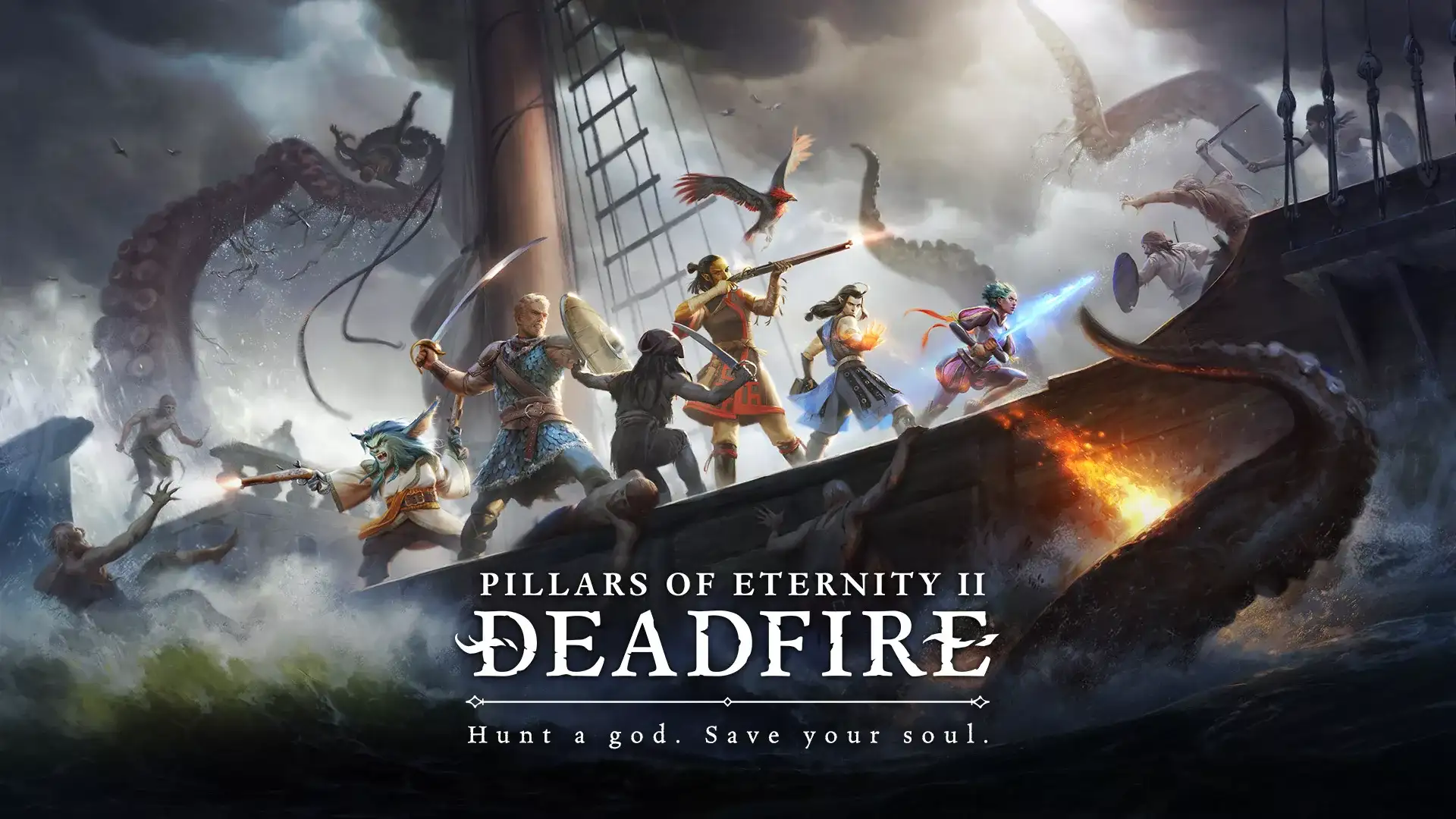
Pillars of Eternity II: Deadfire — Obsidian Edition
🖥️ Available on: PC, PlayStation 4, Nintendo Switch
⏳ Playtime: 42.5 hours (main story), 56 hours (with all three DLCs), 98.5+ hours (100% completion)
A direct sequel to Pillars of Eternity, continuing the story of the Watcher five years later, as they pursue the resurrected god Eothas across the Deadfire Archipelago. The storyline of chasing Eothas drives the narrative, which is weaker than the faction conflicts you encounter along the way.
The game expands on the crafting from the first part with a wide variety of consumable recipes: food now gives specific stat buffs instead of general bonuses, making food preparation important for different types of encounters. Alchemy has more diverse recipes for curing status effects and creating combat buffs. Enchantment upgrades compared to PoE 1 include more upgrade options for unique items and a more intuitive interface response. Ship exploration replaces the fortress-building system from the first game, adding resource management and naval combat, which is tied to crafting through ship upgrades and crew supplies.
| ✅ Pros | ❌ Cons |
| The faction system is extremely well developed, all four factions are morally gray. | The main story loses focus after the tutorial, side exploration takes over the pace. |
| Companions are written excellently, with political intrigues and personal quests | Crafting is still unintuitive |
| Ship customization is nice, gives the player freedom in exploration | Crafting consumables is tedious without meaningful mass production upgrades |
| Enchantment upgrades have more options compared to PoE 1 | The northeastern archipelago is blocked until the final act — an artificial progress restriction |
| Significant DLC expansions with story-relevant content | The main story of the god is weak compared to the faction storylines |
PoE 2 is for you if…
You want a CRPG where faction politics overshadow the main plot, and crafting supports both.
- Ship exploration and naval combat (don't think this is about Corsairs) sound interesting to you
- Stories driven by factions, with morally gray choices, appeal to you
- You enjoyed crafting in PoE 1, and you want more recipe variety
- Adventures on the open sea with a pirate theme in a CRPG format interest you
- Story DLC content that actually matters to the main narrative is important
How to choose the best RPG with a deep crafting system?
Don't ask why there’s no Valheim or similar games here, I know they exist, but they’re primarily survival games, not RPGs.
The essence of crafting in RPGs is this — it should matter, or it's just pointless work. Vagrant Story and Legend of Mana have complicated systems that require experimentation, but the reward is gear that reflects your effort. Dragon Age Inquisition makes vendor loot useless because you can craft top-quality weapons and armor, which some players didn’t like, but I actually kind of enjoy it. Fallout 4 needs mods to unlock its full potential, though the crafting itself isn’t bad.
Tainted Grail surprised me with how its crafting systems are intertwined with survival mechanics and the day-night cycle.
Tainted Grail surprised me with how its crafting systems are tied to survival mechanics and the day-night cycle, since some resources can only be gathered during the day and others are available only at night. The Pillars of Eternity game series treats crafting as support for tactical combat rather than a full-fledged system, which works if you enjoy managing consumables before battles, but will disappoint if you expect a full crafting system like in Skyrim.
Choose based on what you want from crafting. Each game here takes its own approach.