What’s the difference between a good remake and a mediocre one? It’s not just prettier textures. It’s understanding what made the original captivating, along with having the courage to fix what was broken.
This list gathers ten RPG remakes that got everything right. Some rebuilt everything from scratch, while others carefully modernized the game without losing its soul. I'm talking about games that truly earned their second chance, not just riding on hype. Turn-based JRPGs and action-RPGs that redefined their genres — these remakes prove that you can teach an old game new tricks without destroying what people loved about it in the first place.
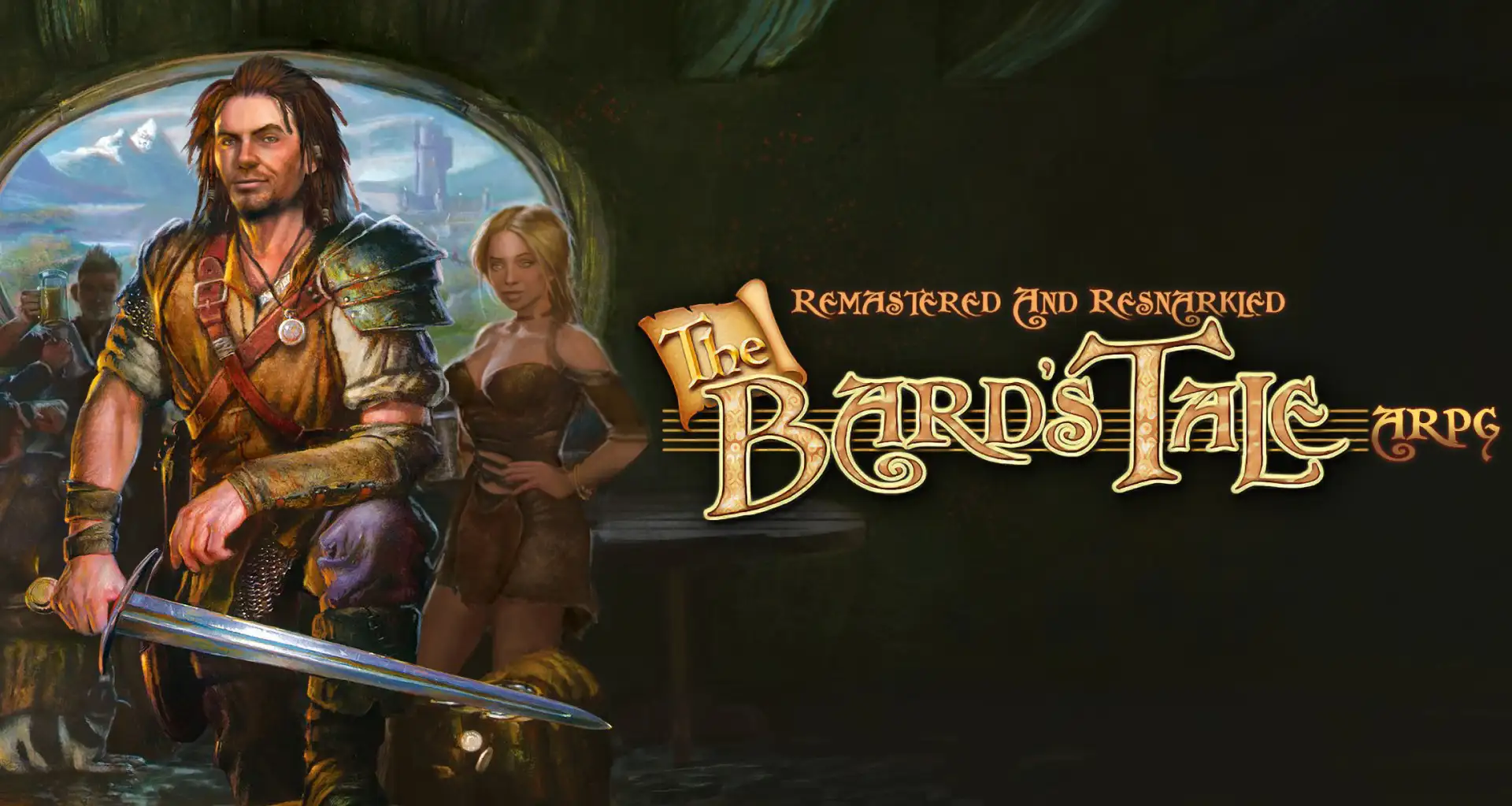
The Bard’s Tale ARPG: Remastered and Resnarkled
🖥️ Available on: PC, PS4, PS Vita, Xbox One, Nintendo Switch
⏳ Playtime: 14-18 hours (main story), 20-25 hours (with extra content)
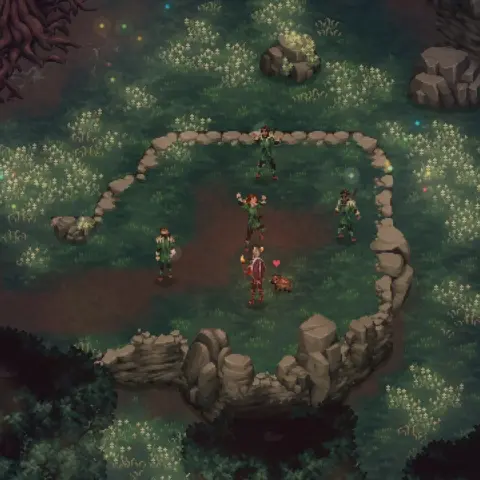
This 2020 remaster brings back the 2004 action-RPG from inXile with a fresh coat of paint and some quality-of-life improvements. Don’t confuse it with the 1985 classic — that’s a completely different game. You play as Bard, a cynical mercenary who’d rather count coins than save princesses.
The story leans heavily on parody, constantly mocking fantasy tropes while your character argues with an all-knowing narrator throughout the adventure.
gameplay combines top-down action with a summoning system built around musical instruments. You can summon up to four party members during battles, switching between fighters, tanks, and healers depending on the situation.
The combat system remains relatively simple, but the banter between the Bard and the narrator carries most of the appeal. It’s about 20 hours of gameplay with choices that affect how NPCs react to your sarcastic (or sometimes kind) responses.
| ✅ Pros | ❌ Cons |
| The voice acting is genuinely funny with great comedic timing. | Bugs everywhere — dialogues break, NPCs disappear, hints go missing. |
| The script constantly and cleverly breaks the fourth wall. | Camera control is a total mess (hello from 2004). |
| The summoning system offers decent tactical variety. | Graphics have been slightly improved. |
| The protagonist’s personality really affects the story. | Combat quickly becomes repetitive — too easy for 20+ hours. |
| A reasonable price for what you get. | The controls are VERY unintuitive |
Why players enjoy the bard's adventures
If you appreciate humor that makes fun of itself while still being a functional RPG, this might be your pick. The narrator bickering with your character in every quest adds personality that most action RPGs completely lack.
- You like self-deprecating comedy and don’t take fantasy too seriously
- You want a lighter action RPG that doesn’t demand perfect execution
- You value creative summoning mechanics over complex combat
- You don’t mind bugs if the story makes up for it
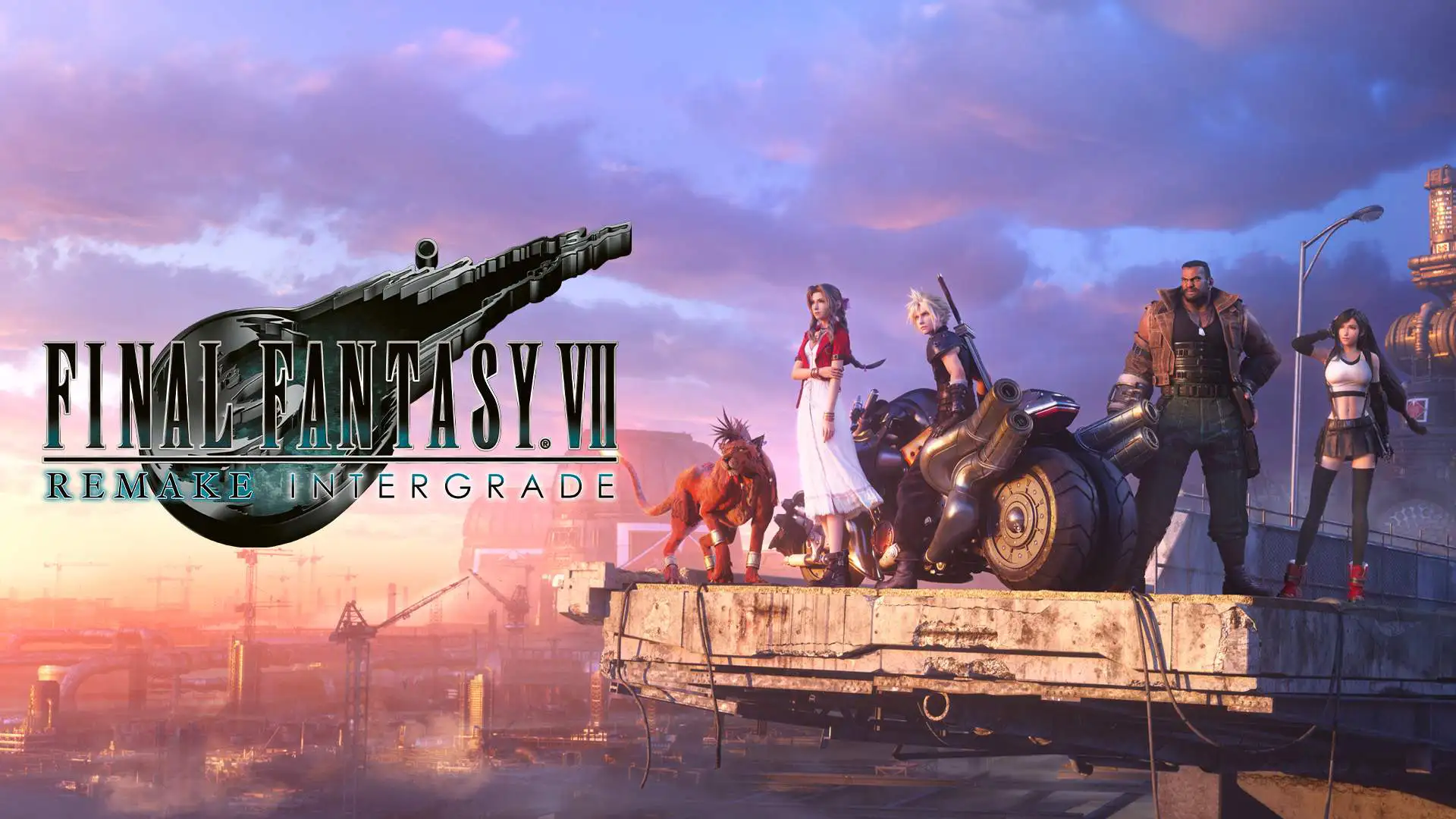
Final Fantasy VII Remake Intergrade
🖥️ Available on: PC, PS4, PS5
⏳ Playtime: 33-35 hours (main story), 40-50 hours (with extra content)
Square Enix took the Midgar segment from their 1997 classic and stretched it into a standalone 30-40 hour adventure. Intergrade is an upgraded version with better graphics and faster loading times.
Combat has shifted from turn-based to real-time action with a tactical pause that lets you control individual party members and give commands during battles.
The game significantly expands the development of NPCs, who had minimal screen time in the original, giving them full personalities. But it also introduces controversial story changes, including a time-traveling Sephiroth and ghostly entities of fate that actively fight against changes to the timeline.
The Materies system is back for fine-tuning magic and abilities, although the game constantly holds your hand with tutorials that barely stop until almost the very end.
| ✅ Pros | ❌ Cons |
| The level of detail is insane — character models look photorealistic. | Extremely linear, invisible walls constantly block exploration. |
| Combat becomes thrilling once you get the rhythm. | The pace drags — 40 hours on what originally took 5 hours. |
| Character development gives each person a vivid personality. | The hand-holding never stops, tutorials continue even in the endgame. |
| A worthy expansion of Midgar with meaningful additions. | Side quests — mostly fillers without depth. |
| Soundtrack and voice acting are top-notch. | Dubious plot additions like fate ghosts |
Will FF7R hook you?
The remake will appeal most to players who want a cinematic action-RPG and don’t mind trading exploration freedom for a visual spectacle.
- You crave stunning quality and cinematic presentation
- You prefer real-time action combat over turn-based systems
- You want expanded character interactions and development
- You don’t mind linear gameplay for the sake of set-piece moments
- You can tolerate story changes that contradict the 1997 version
Persona 3 Reload

🖥️ Available on: PS4, PS5, Xbox One, Xbox Series X/S, PC, Nintendo Switch 2
⏳ Playtime: 60-70 hours (main story), 80-100+ hours (with additional content)
Atlus have completely rebuilt their 2006 classic from scratch in Unreal Engine 4, modernizing everything but keeping the core social simulation loop. You balance school life during the day with battles against shadows in the hidden hour of each night.
The remake adds new events, fully voiced scenes, and completely reworked animations.
Social links determine your effectiveness in combat — building relationships unlocks better Persona fusion options and new abilities. The combat system uses turn-based mechanics with team attacks that trigger on critical hits.
Tartarus, the main dungeon, stretches across 264 procedurally generated floors that you climb throughout the school year. Time matters because you won’t be able to do everything in one playthrough.
| ✅ Pros | ❌ Cons |
| The story touches on themes of mortality and friendship in an emotional and believable way | FPS drops during combat animations on some platforms |
| The art style looks amazing | Tartarus turns into grinding over 250+ similar floors |
| The characters feel well-developed, with clear personalities | In many months there’s minimal story content — the pace really slows down |
| Turn-based combat remains fun thanks to strategic depth | Relationships with companions require guides so you don’t miss critical moments |
| Awesome improvements compared to the original 2006 version | The DLC Episode Aigis drops the social elements in favor of pure dungeon crawling |
Is P3R right for you?
Persona 3 Reload is best suited for players who enjoy balancing between a social life simulator and dungeon-crawling RPG mechanics. The themes are approached differently here than in most JRPGs — it’s not about power fantasies or saving the world, it’s about living life to the fullest while you can. 😊 To see the design traditions behind some of these returns, these RPG classics from the 1990s provide a useful starting point.
- You enjoy turn-based combat with strategic party selection
- You want a story that explores heavy themes without being preachy
- You don’t mind time management systems that limit freedom
- You value character-driven storytelling over epic scale
- You can handle uniform dungeon design if the story makes up for it
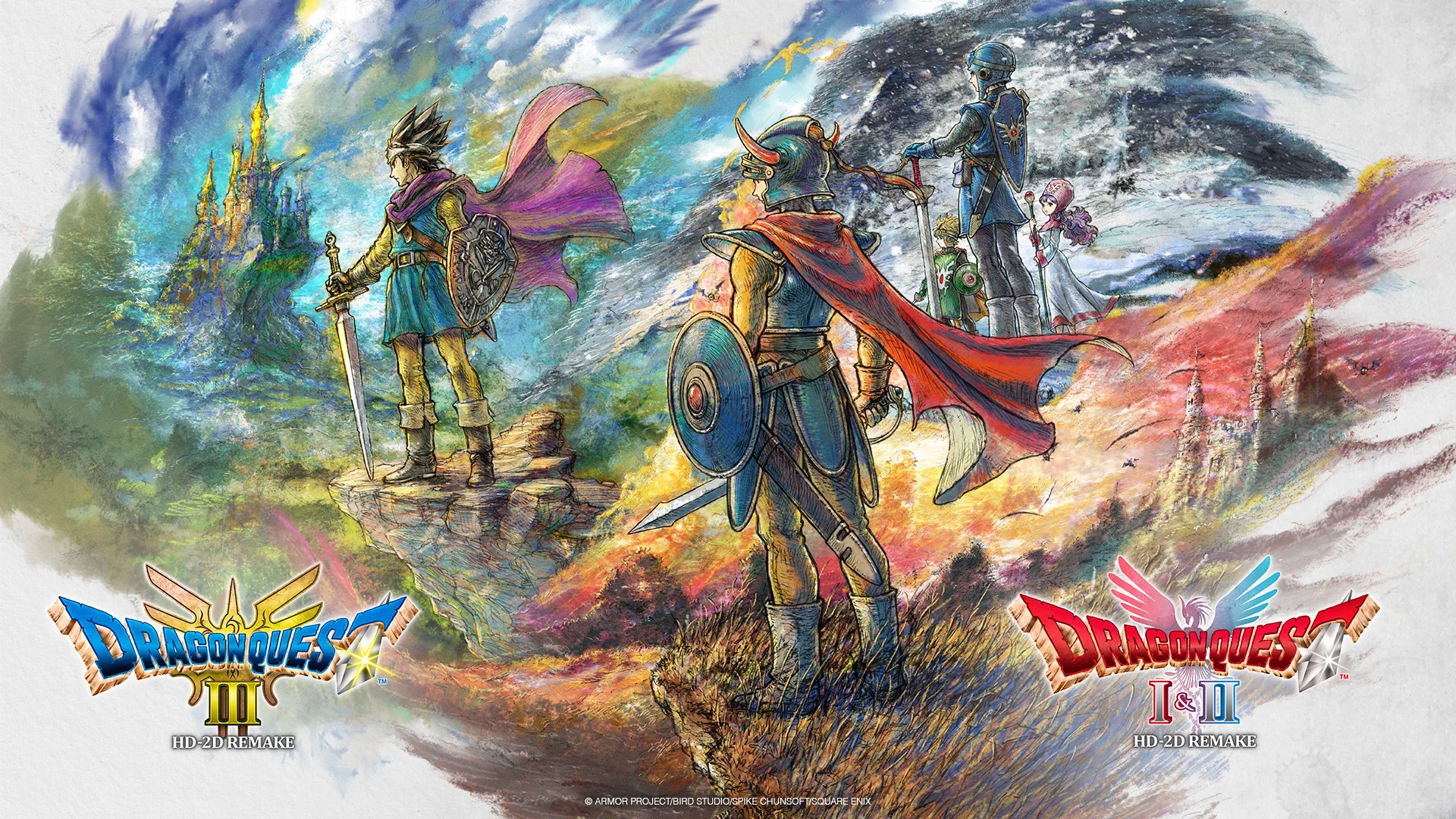
Dragon Quest III HD-2D Remake
🖥️ Available on: Nintendo Switch, PS5, Xbox Series X/S, PC
⏳ Playtime: 25-30 hours (main story), 40-50 hours (with side content)
Team Asano from Square Enix applied their HD-2D style to the 1988 Famicom classic, mixing 2D pixel sprites with detailed 3D backgrounds and atmospheric lighting.
The remake adds a new Monster Tamer class, voice acting in multiple languages, and an orchestral soundtrack, while keeping the simple structure of the original JRPG.
You create your own party and travel the world hunting the evil wizard Lord of Dragons. Combat stays turn-based with an automatic command queue and AI tactics that you can customize for each party member.
The new "Recall" mechanic records conversations with NPCs so you don't forget quest details. Several difficulty levels let newcomers enjoy the story, while veterans can crank up the challenge for true old-school hardcore.
| ✅ Pros | ❌ Cons |
| The HD-2D graphics look gorgeous with detailed pixel art and lighting. | Random encounters every 10 seconds artificially stretch out game time. |
| Turn-based combat offers a solid variety of classes and build options. | Character progression is slow and requires grinding, especially before boss fights. |
| The orchestral arrangements of the soundtrack sound fantastic | The gameplay drags because of constant battles with minimal plot |
| Navigation has become easier thanks to improved mechanics | Endgame content requires tiring grinding up to level 83 |
| Difficulty settings are friendly to both newbies and veterans | The Monster Tamer class is overly strong compared to others |
Is DQ3 HD-2D worth getting?
This remake is aimed at players who want accessible turn-based combat without complicated systems getting in the way. The HD-2D style makes everything visually stunning, but the random encounters constantly test your patience.
- You want beautiful pixel art in a modern presentation
- You enjoy straightforward turn-based combat with flexible classes
- Doesn't mind frequent random battles as part of the gameplay
- Appreciates orchestral arrangements of classic tracks
- Looking for a starting point to get into JRPGs
Baldur’s Gate: Enhanced Edition
🖥️ Available on: PC (Windows, Mac, Linux), iPad, Android, Nintendo Switch, PS4, Xbox One
⏳ Playtime: 30-40 hours (main story), 60-80 hours (with extra content)
The 2012 remaster by Beamdog brings the classic 1998 CRPG from BioWare to modern systems with updated graphics, improved interface, and bug fixes. It uses AD&D 2nd edition rules with mechanics like THAC0 and Armor Class, which feel completely archaic compared to today’s RPG standards.
Combat happens in real time with the option to pause, although tough fights make you pause constantly, basically turning the game into turn-based.
You create your own character and hire up to six companions, navigating the political intrigues of the Sword Coast. Character builds matter a lot since the ruleset ruthlessly punishes poor choices.
The Enhanced Edition includes the Siege of Dragonspear expansion (which was received… somewhat controversially) and Tales of the Sword Coast, integrated into the main campaign.
| ✅ Pros | ❌ Cons |
| The story and world-building remain just as excellent even after 25+ years. | Real-time-with-pause combat is pretty clunky by modern standards. |
| Companion characters have unique personalities and well-developed character depth. | The need for constant pausing makes it almost turn-based |
| Side quests offer meaningful choices and consequences | AD&D 2nd edition mechanics are unintuitive without guides |
| Tactical depth rewards players who dive into the systems | The ending is pretty abrupt; the game just cuts off |
| Still one of the coolest RPG experiences out there | The interface and controls show their age, despite updates |
Why Baldur’s Gate still rocks
This enhanced edition is good for players willing to learn archaic systems in exchange for one of the best storylines in RPG history. The mechanics require patience, but the narrative makes it worth it.
- If you appreciate classic CRPG design and an isometric perspective
- Want deep tactical combat that rewards skill
- Don’t mind learning non-intuitive mechanics with external guides
- Value story and character development over modern conveniences
- Ready to accept that this is a 1998 game that’s been cosmetically updated
Icewind Dale: Enhanced Edition
🖥️ Available on: PC (Windows, Mac, Linux), iOS, Android, Nintendo Switch, PS4, Xbox One
⏳ Playtime: 25-30 hours (main story), 40-50 hours (with side content)
The 2014 remaster by Beamdog of the 2000 dungeon crawler from Black Isle puts aside the narrative focus of Baldur’s Gate and doubles down on tactical combat. You create a full six-person party from scratch — no pre-made companions. The game constantly throws brutal encounters at you in the frozen dungeons of the Spine of the World.
The combat uses the same real-time-with-pause system and AD&D 2nd Edition rules as Baldur’s Gate, but the difficulty spikes here are harsher. The story mostly exists just to link the dungeons — don’t expect deep character development or branching narrative.
The Enhanced Edition adds 60 new items, 30 class combinations, and includes both expansions integrated into the main game.
| ✅ Pros | ❌ Cons |
| The music and ambient tracks create an incredible atmosphere. | AD&D 2.5 mechanics are clunky and hard to get the hang of. |
| Dense dungeon design with strategic combat encounters. | Extremely linear — pure focus on combat with minimal story. |
| Better-balanced difficulty compared to Baldur’s Gate. | Random loot can completely mess up your party. |
| A great way to try out the old D&D rules in practice | No character progression or story payoff at all |
| A solid platform for tactical party combat | Difficulty spikes become unpredictable due to unbalanced equipment drops |
Why should you play Icewind Dale?
It will appeal to players who want pure tactical dungeon crawling without a distracting story. If companions and the Baldur’s Gate storyline mattered to you, this isn’t it. It’s a combat sandbox with D&D rules.
- You want pure tactical combat without story distractions
- You enjoy creating a fully custom party instead of hiring companions
- You don’t mind learning the archaic mechanics of AD&D
- You appreciate atmospheric sound design and music
- Looking for tough battles that require a well-thought-out strategy
Neverwinter Nights: Enhanced Edition
🖥️ Available on: PC (Windows, Mac, Linux), PS4, Xbox One, Nintendo Switch
⏳ Playtime: 45-50 hours (main story), 60-80+ hours (with extra content)
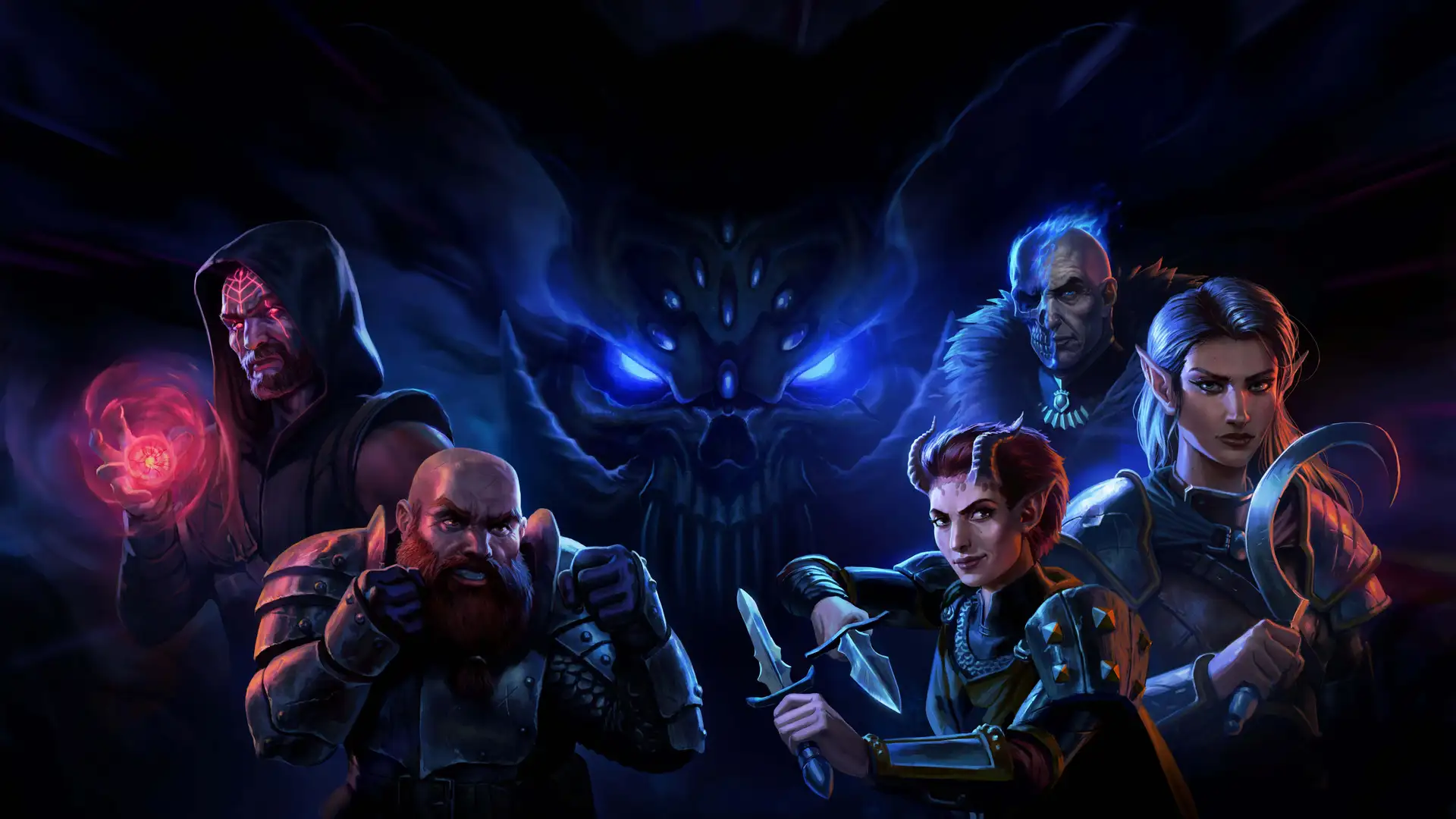
The 2013 remaster by Beamdog of BioWare's 2002 action-RPG focuses on providing tools to create your own stories as much as on gameplay. The Aurora toolkit lets players create their own campaigns and multiplayer adventures, and this is where Neverwinter Nights truly shines.
The original campaign… at best, just average. You control a single protagonist with AI companions (not a full party), fighting to stop the plague in the city of Neverwinter.
Combat uses D&D 3rd edition rules in real time. Your mercenaries have terrible AI, constantly making confusing decisions. You can't access their inventory directly, which turns managing loot into tedious micromanagement.
The expansions (Shadows of Undrentide and Hordes of the Underdark) are significantly better than the base campaign, and community-made modules offer hundreds of hours of content beyond what BioWare originally released.
| ✅ Pros | ❌ Cons |
| The Aurora toolkit provides powerful tools for creating campaigns. | The original campaign is boring with a formulaic design. |
| The multiplayer infrastructure works well with NAT support. | Mercenary AI is awful — constantly wastes abilities. |
| Easy entry point into CRPGs — controlling just one character. | You can't access companion inventories to manage their gear |
| Huge community content library with thousands of hours of gameplay | The base campaign doesn’t really show off the toolset’s potential |
| A unique multiplayer world experience | AI companions need constant attention during fights |
Is it worth spending time on NWN:EE?
Neverwinter Nights works best as a platform for community content and multiplayer campaigns. You can basically skip the original campaign — jump straight to expansions or fan modules. If you care more about the adventure than whether it has been remade, these landmark RPGs of all time widen the search to originals that still hold up.
- If you want campaign creation tools for your own adventures
- If you love multiplayer co-op RPG experiences
- If you prefer controlling a single character rather than a whole party
- Do you love content created by other players
Fable Anniversary
🖥️ Available on: PC (Steam), Xbox 360, Xbox One (backward compatibility)
⏳ Playtime: 13-15 hours (main story), 20-25 hours (with extra content)
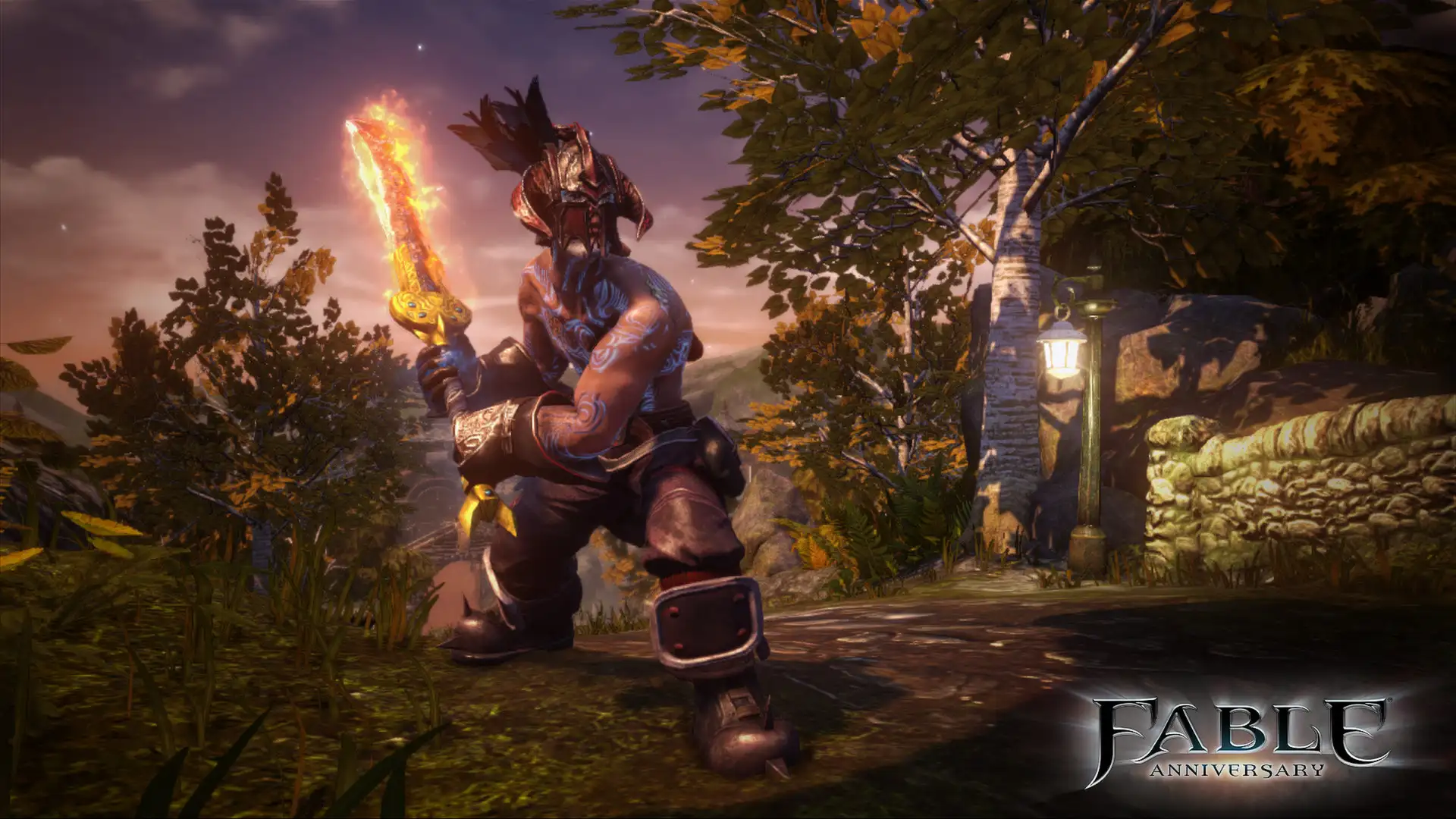
The original 2004 Lionhead game was rebuilt by Virtuos on Unreal Engine 3 with completely revamped visual effects and sound.
Your moral choices directly affect your character’s appearance — evil actions give you horns and red eyes, while good deeds create a kind of halo glow. NPCs react to your reputation and worldview, opening or closing quest opportunities based on how you behaved.
Combat mixes melee, ranged, and magic in real-time action. Magical spells can be combined for interesting effects, and melee and bows hold their own. Your character ages over time — you start young and gradually turn into an old warrior, with scars and changes reflecting your journey.
You can buy property to earn rental income and play all sorts of fun mini-games, like fishing, for example.
| ✅ Pros | ❌ Cons |
| Voice acting and humor give the game a special charm throughout. | Performance issues haunt the 2014 version. |
| Visual design is top-notch. | While the morality system is cool, it feels like it was left halfway and underdeveloped. |
| Morality significantly affects appearance and gameplay. | The original bugs still haven't been fixed — freezing issues remain |
| Spells and magical abilities look really impressive | The graphics look outdated, despite the remaster's efforts |
| High replayability | Combat and controls feel clunky by modern standards |
Why you should try Fable Anniversary
This remake is aimed at players looking for a lighter action-RPG with visible moral consequences. The systems aren't very deep, but the game's personality overshadows all its problems
- You want visible consequences of moral choices that affect your appearance
- You enjoy British humor and quirky fantasy settings
- You don't mind outdated gameplay if the game's charm makes up for it
- You're looking for a relatively short action-RPG with replayability
Demon’s Souls (PS5 Remake)
🖥️ Available on: Exclusively on PlayStation 5
⏳ Playtime: 23-25 hours (main story), 30-40 hours (with extra content)
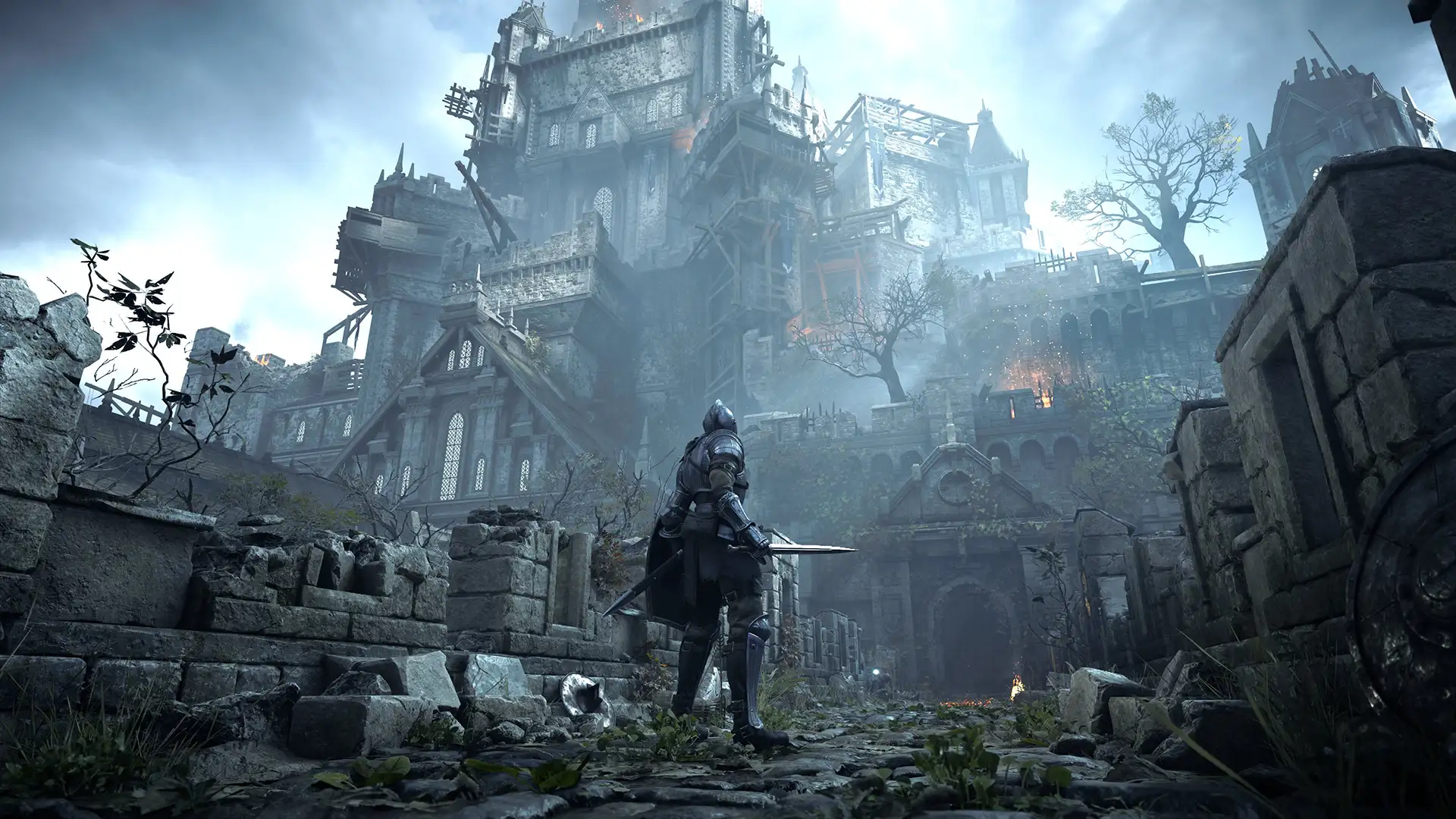
Bluepoint Games and Japan Studio completely rebuilt the 2009 original from FromSoftware from scratch for PS5. This introduced Souls mechanics to a new generation with stunning graphics while keeping the series’ signature difficulty and combat.
Combat requires patience, timing, and learning attack patterns through repeated deaths.
The World Tendency system changes the difficulty based on how often you die — more deaths make the game harder. Moral choices and killing important NPCs also affect the world’s state, unlocking unique events and loot only available in certain tendency states.
The dungeons focus on exploration rather than boss difficulty, with long runs between checkpoints. Souls act as both currency and experience, dropping permanently on death if you don’t pick them up.
| ✅ Pros | ❌ Cons |
| The visuals are stunning — among the most beautiful games on PS5. | The World Tendency mechanics are pretty unintuitive and confusing. |
| A faithful remake that improves things without losing the original design. | Linear dungeons without checkpoints make boss runs exhausting. |
| Level design rewards exploration and discovery. | Some bosses are way easier than the regular enemies. |
| More balanced difficulty than in the later Souls games. | The sixth world area from the original development plans is missing. |
| Fast loading times stop deaths from totally wrecking your nerves. | Grinding of certain areas is required to strengthen your character |
Should you take on Demon’s Souls?
This remake is suitable for players who want the purest Souls experience without additions from later games. It's more straightforward than Elden Ring, but requires the same commitment to learning patterns and accepting failures.
- You want challenging action-RPG combat with precise timing
- You enjoy dungeon design focused on exploration
- You don’t mind dying over and over to learn enemy patterns
- You value atmospheric world design over explicit storytelling
The Elder Scrolls IV: Oblivion Remastered
🖥️ Available on: PC, PS5, Xbox Series X/S, Xbox Game Pass
⏳ Playtime: 27-30 hours (main story), 100+ hours (with extra content)
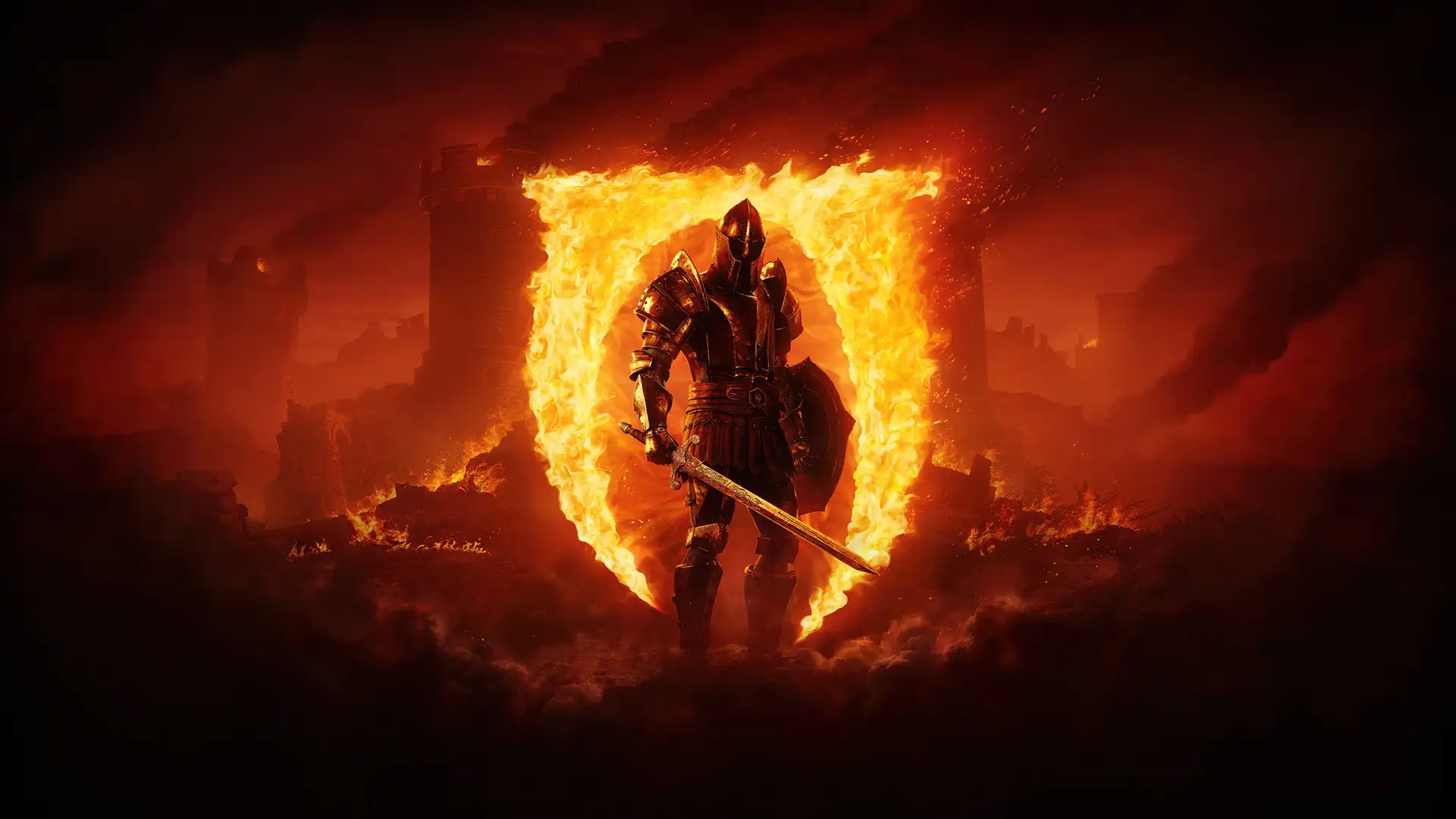
Bethesda, in partnership with Virtuous, has rebuilt its 2006 Game of the Year winner, using Unreal Engine 5 on top of the original Oblivion engine. This qualifies almost as a full remake, despite the title 'remaster.' By the way, I have a separate page about the game.
The combat was completely overhauled with dodge buttons, sprint mechanics, and satisfying feedback, including blood splatters and enemy reactions. The voice acting was re-recorded with unique voices for each race, fixing the infamous problem where 90% of NPCs sounded the same.
Skills improve through use, not through traditional experience points — swinging a sword boosts blade skills, casting spells improves magic. The controversial auto-leveling from the original is almost completely gone.
The new character progression blends elements from Skyrim and the original Oblivion, with five preset difficulty levels replacing the adjustable slider. All DLC expansions, including "Shivering Isles" (30+ hours) and "Knights of the Nine," are integrated into the base game.
| ✅ Pros | ❌ Cons |
| Unreal Engine 5 visuals (those shadows and rays are just something else) | Performance issues and stuttering in open areas at launch |
| Combat redesign makes melee and magic significantly more fun | Charming 2006 bugs intentionally preserved (probably) — exploits remain |
| Voice acting re-recorded with unique voices for each race | Combat still feels clunky from the first-person perspective with awkward combos |
| Thoughtful improvements (dodging, sprinting, new character progression) modernize the gameplay | The main story follows a standard fantasy narrative, unchanged since 2006 |
| Includes all DLC with the acclaimed Shivering Isles expansion | Original technical bugs remain (NPCs don’t spawn, quest markers break) |
Has the Emperor ever appeared to you in your dreams?
This remaster is aimed both at veterans wanting to revisit Cyrodiil and newcomers trying it for the first time. Fixed auto-leveling almost solves one of the biggest complaints about the original while keeping the open-world freedom that made Oblivion special. 😉
- Want a massive open-world adventure where you can roam anywhere
- Appreciate skill-based progression rather than grinding for experience
- Don’t mind retained "roughness" if the key improvements are worth it
- Looking for 100+ hours of content with DLC included
- Enjoy when side quests are cooler than the main storyline
Which remaster to play first?
Three games stand out from this list depending on what you’re actually looking for.
Oblivion Remastered — a benchmark remake on the UE5 engine. Bethesda didn’t just update the textures, they fixed the combat system, dialogues, and broken auto-leveling. It’s the perfect choice for open-world freedom fans if you’re ready to forgive the studio’s signature technical bugs.
The Bard’s Tale ARPG — an undeservedly overlooked gem.
The Bard’s Tale ARPG — an undeservedly overlooked gem. Don’t be put off by the budget graphics: the story and the hilarious banter between the hero and the narrator more than make up for the simple gameplay and bugs. A great choice for those who appreciate self-irony and a parody of fantasy.
Fable Anniversary has held up better than expected. The local morality system, which changes the hero’s appearance and NPC reactions, is still impressive in its clarity. Despite outdated graphics and performance issues, British humor and a unique charm make the game worth checking out.