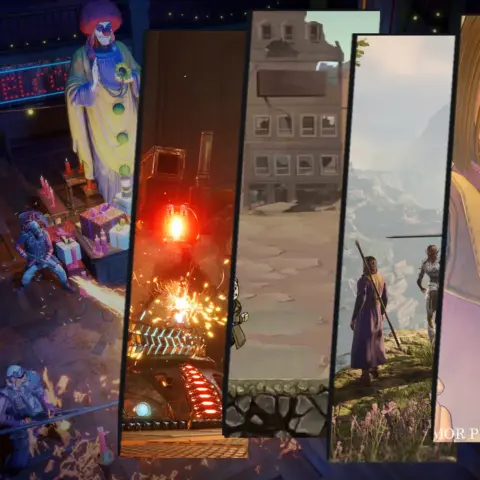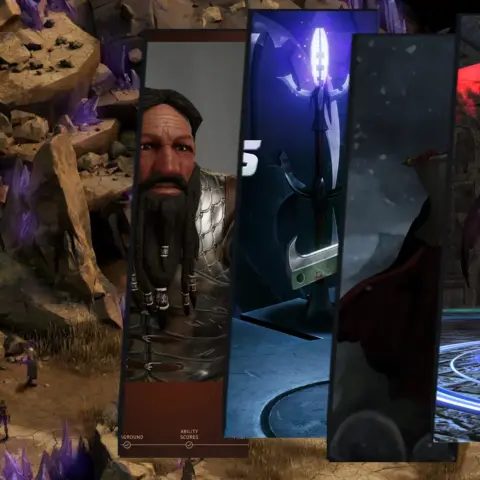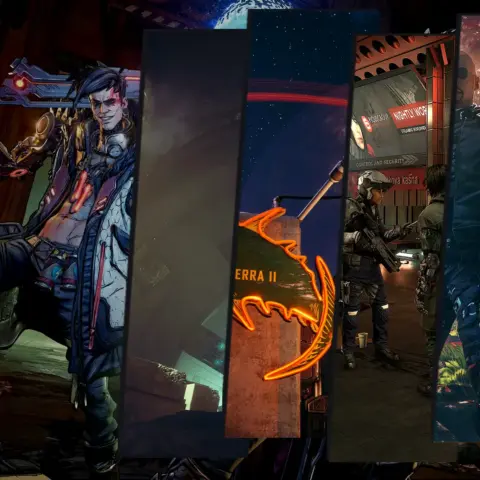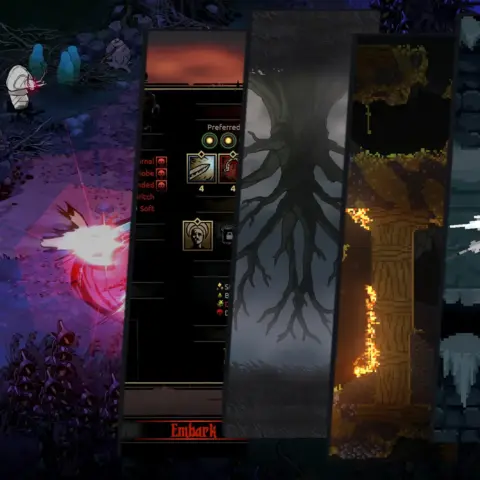
I’ve been playing RPGs since 1999, and I totally understand: the first step into this genre can feel like trying to decipher a skill tree with 500 nodes while someone yells in your ear: 'CHOOSE WISELY!'. But here’s the secret: not every RPG is out to punish you just for existing. Some games want, so you can win, experiment, and have fun, instead of digging into Wikipedia every five minutes.
This list features ten beginner-friendly RPGs. Here you won't mess up character progression by picking the wrong hairstyle, and the story hooks you right away, without forcing you to drown in endless tutorials. From turn-based comedies to open-world freedom, these games will show you how awesome RPGs can be without making you suffer.
South Park: The Stick of Truth
🖥️ Available on: PC, PlayStation 3, Xbox 360, PlayStation 4, Xbox One, Nintendo Switch
⏳ Playtime: 11-12 hours (main story), 14-16 hours (with extra content)
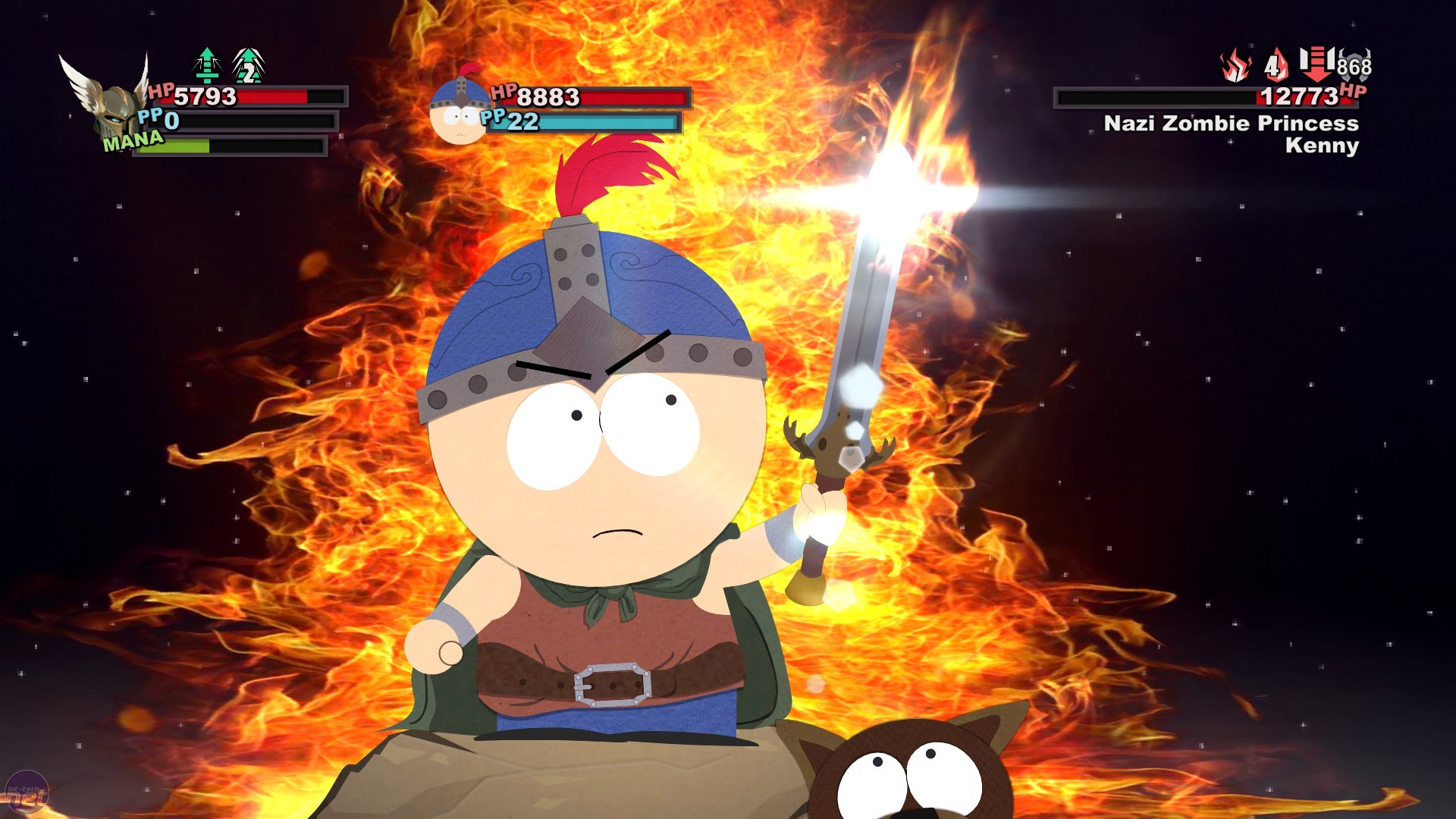
A turn-based comedic RPG where you play as a customizable 'New Kid' who joins the fourth-graders of South Park. Their fantasy quest pokes fun at every RPG cliché you've ever seen.
The game was made by Obsidian Entertainment under the careful guidance of Trey Parker and Matt Stone, so it feels like a real interactive episode of South Park — with that same crude humor and brilliant writing.
The story throws you into South Park as the new kid, who is immediately drawn into an epic role-playing game with wizards, elves, and the Stick of Truth that grants wishes.
What starts as a childish fantasy quickly turns into a real conspiracy involving aliens and government experiments — and, surprisingly, it all makes sense within the universe of the show.
| ✅ Pros | ❌ Cons |
| The exceptional writing stays hilarious right to the end; it genuinely feels like real episodes of South Park. | Battles become repetitive by the end of the game; the same attack animations and strategies start to get tiring. |
| The visual style is flawless; it looks almost identical to the cartoon. | Limited variety of weapons and armor — collecting gear isn’t particularly satisfying. |
| Turn-based combat uses button press timing to keep you alert without requiring lightning-fast reactions. | Crude humor isn’t for everyone; swearing and 'below-the-belt' jokes might not sit well with sensitive players. |
| Character creation and exploring the world encourage attentiveness with funny item descriptions. | The world map can seem confusing and often needs checking against the menu in early stages. |
| No 'filler' or padding; no overloaded inventory, random battles, or grinding. | A very linear playthrough with minimal impact on the story, which reduces the replay value. |
Why you'll like SP:SoT if you're new to RPGs
If you've ever watched "South Park" and thought, "Oh yeah, this is for me," — consider yourself already on board. This game teaches the basics of turn-based combat without turning it into boring homework. Button-timing keeps you on edge during battles, and the forgiving difficulty lets you experiment with skills without penalty. Plus, you can respec your abilities, so picking the 'wrong' class at the start won’t matter.
Perfect for players who want:
- Comedy that doesn’t take itself too seriously.
- Clear combat mechanics without confusing stats.
- A complete story that you can play through in less than 15 hours.
- Turn-based tactics with no penalties for mistakes.
Dragon’s Dogma: Dark Arisen

🖥️ Available on: PC, PlayStation 3, Xbox 360, PlayStation 4, Xbox One, Nintendo Switch
⏳ Playtime: 35-40 hours (main story), 55-60 hours (with extra content)
An open-world action RPG where you can climb giant monsters in the spirit of Shadow of the Colossus, while your AI companions shout advice and fight shoulder to shoulder.
The action takes place in the fantasy kingdom of Gransys. You play as the Arisen, whose heart was stolen by a dragon, and now you must hunt down the beast.
Real-time third-person combat offers nine vocations (classes): from Fighter to Mystic Knight and Magic Archer. You can freely switch classes, and you can latch onto large enemies to hit their weak points.
The main feature is the Pawn system: you have one main customizable companion and two hired pawns that you borrow from other players online. Nights here are truly dangerous, so you'll need to plan your route and stock up on supplies, instead of just wandering around randomly.
| ✅ Pros | ❌ Cons |
| Very dynamic combat with climbing on monsters | Sudden difficulty spikes at the start of the game can kill your desire to keep playing |
| The Pawn system lowers the difficulty for newcomers; AI companions take on some of the enemies. | Opaque mechanics and poor tutorials |
| The flexible class system encourages experimentation without penalties or strict restrictions. | Issues with narrative pacing; the plot seems confusing if you don’t play the game almost 100%. |
| Day and night cycles add tactical depth, making you plan your route and manage resources. | A lot of running back and forth (backtracking) with limited fast travel at the start of the game gets tiring. |
| The open world rewards curiosity — secrets are spread out organically, justifying the spirit of exploration. | Uneven world design makes side quests feel like boring fetch errands. |
Should DD:DA be your first Action RPG?
Honestly? Maybe it's not the best choice for your first ever game, but if you're already familiar with action games and want to feel like a badass hero riding a dragon — this is it. The Pawn system is a perfect idea for beginners: your companions literally tell you what to do.
They inform you about the weaknesses of enemies, suggest tactics and drag the fight while you understand the controls. Just be prepared that ordinary highwaymen on the highway can take you out with half a kick if you go unprepared.
You'll love it if you:
- Do you want punches to feel weighty and juicy in battle?
- Don't mind learning from your mistakes.
- You like flexible class systems.
- Ready for difficult fights at the beginning that teach you to respect the enemy.
Kingdoms of Amalur: Re-Reckoning
🖥️ Available on: PC, PlayStation 4, Xbox One, Nintendo Switch
⏳ Playtime: 30-35 hours (main story), 60+ hours (with side quests)
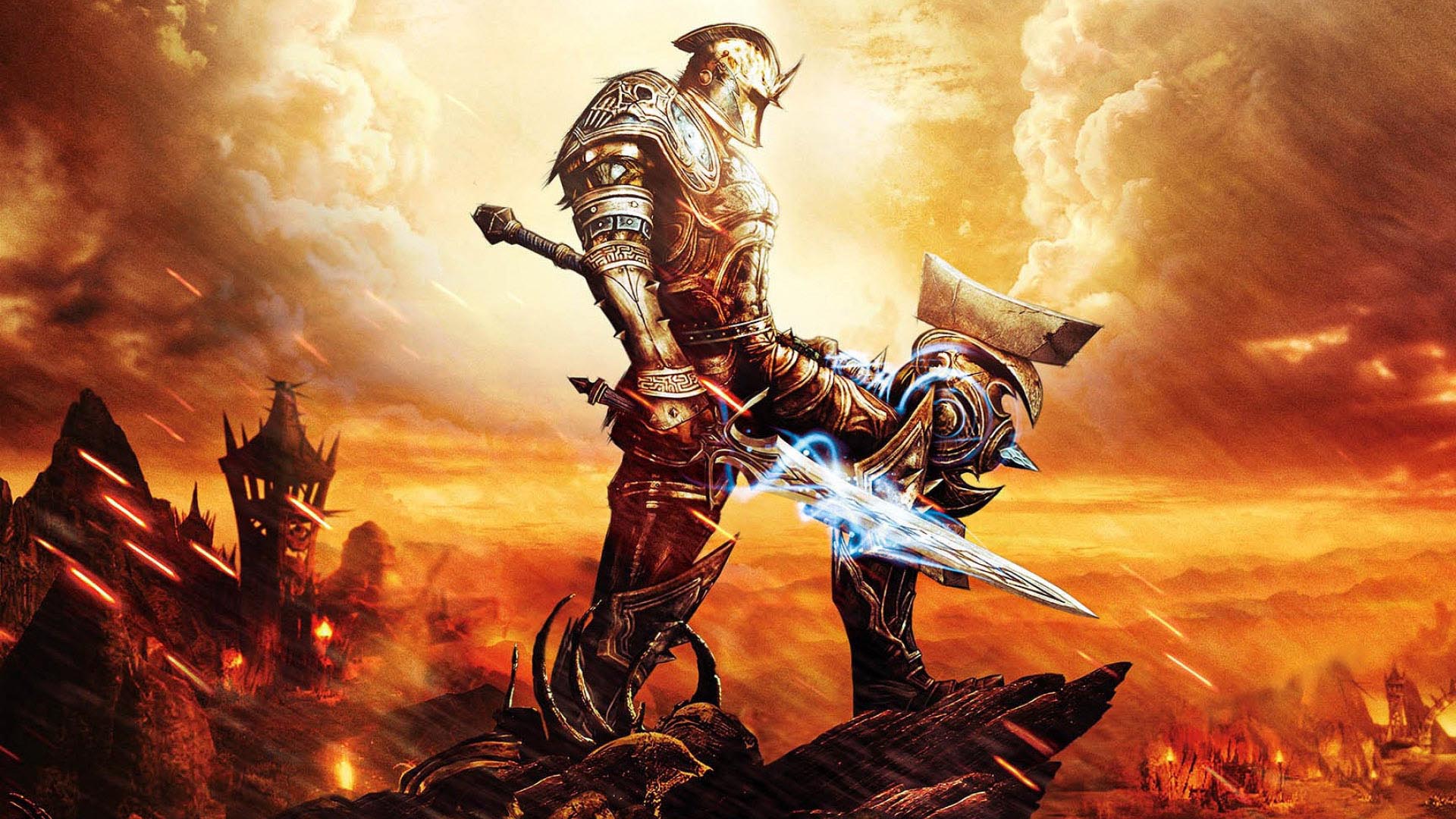
A fantasy action-RPG with smooth combat in real time. You play as a resurrected hero who, unlike everyone else in this world, is free from predestined fate.
The 2020 remaster includes all DLC, rebalanced character progression, and polished graphics, while keeping the original combat juicy. The world was crafted by writer R.A. Salvatore, the visual style by Todd McFarlane, and the music was composed by Grant Kirkhope (yes, the same composer from Rare).
The gameplay is based on real-time combat: melee, archery, and magic, with smooth dodges and blocks. Three skill trees (Strength, Dexterity, Magic) combine with Fate Cards (class bonuses) to create an almost endless number of builds.
And the best part — The NPC “Weavers of Fate” allows you to reset skills at any time for free (in the remaster). By accumulating Fate points, you can activate Retribution mode (time slowdown) and stylishly finish off enemies for bonus experience.
| ✅ Pros | ❌ Cons |
| Smooth, responsive combat immediately feels fun, with clear animations. | The design of side quests feels like an MMO: lots of repetitive 'fetch quests' that get boring quickly. |
| The Fate system with free skill resets removes the fear of making mistakes — experiment as much as you want. | The remaster still has technical issues, crashes on PC, and performance drops. |
| Tons of content available for any class — no one will be left out. | A shallow plot with flat characters lacking depth and emotion. |
| A colorful fantasy world with clearly divided zones that makes you want to explore every corner. | Despite its variety, the role-playing system lacks depth — fans of optimization will find it a bit boring. |
| Generous difficulty settings let you tailor the game to yourself: from a relaxed stroll to hardcore. | Outdated mechanics and interface reveal the game's age (original 2012). |
KoA:RR is the best choice if you want zero stress.
This game is synonymous with the phrase 'RPG for chill guys.' You can’t irreversibly ruin your character because skill resets are always available. You won’t get stuck since any playstyle works.
Combat is pleasant, and you’re never punished for ‘wrong’ skill choices. If in other RPGs you worry about committing to one build, start here — you can try everything and find what you enjoy without consequences. If a manageable length would make that first step easier, these RPGs around 20–30 hours long offer another useful way to choose.
Perfect for players who:
- They’re afraid of making a mistake in the character’s progression.
- They want dynamic action right away, without a long buildup.
- They like to change play styles on the fly.
- They’re looking for a 60+ hour game that won’t pressure them with difficulty.
Assassin’s Creed Origins
🖥️ Available on: PC, PlayStation 4, Xbox One
⏳ Playtime: 30 hours (main story), 50-60 hours (with extra content)
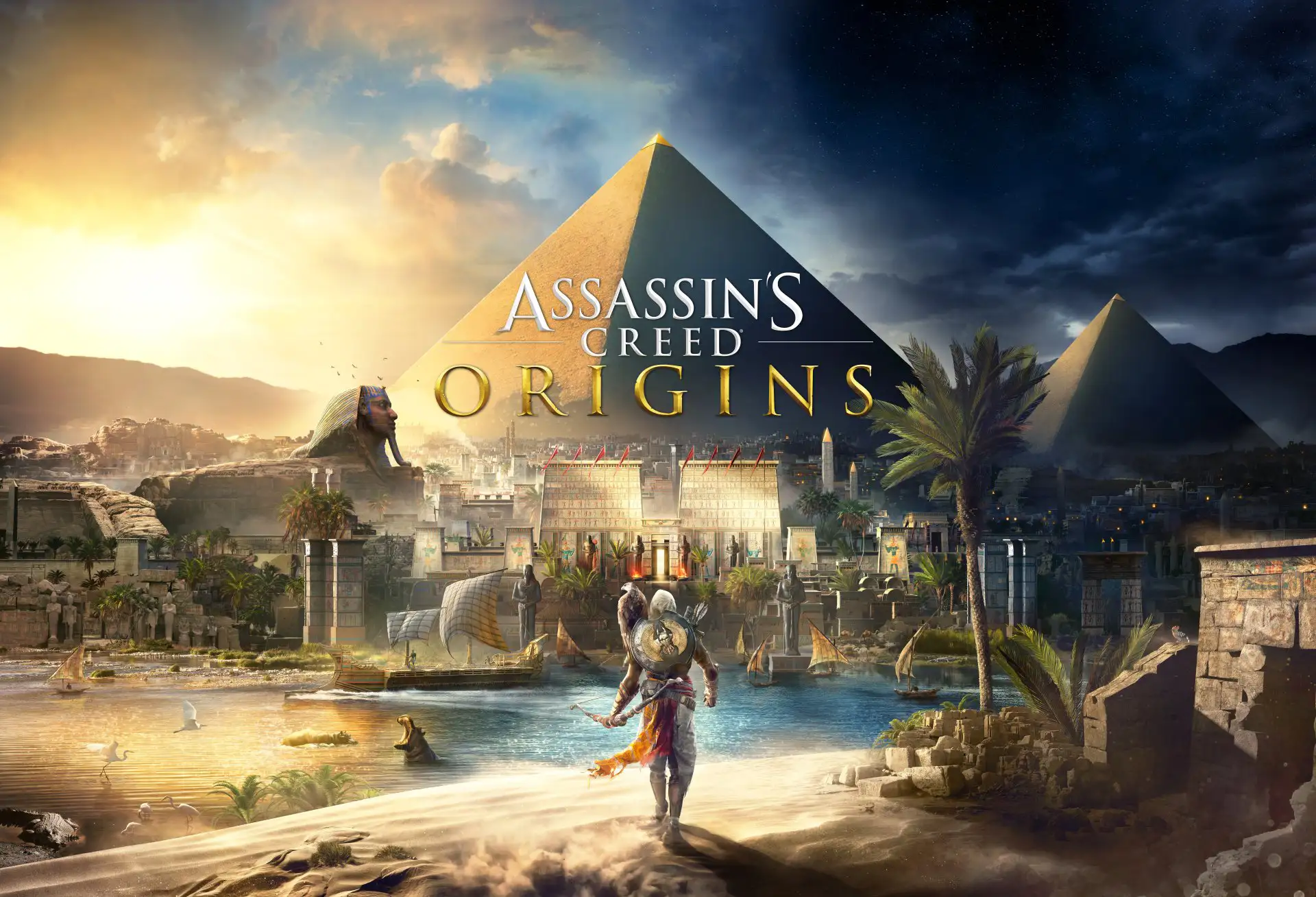
A large-scale action RPG in an open world, taking us to Ptolemaic Egypt (49–38 BC) during the civil war and Roman invasion. You play as Bayek, a Medjay (protector), and later as his wife Aya. Together they seek revenge and form the Hidden Ones.
Ubisoft completely revamped the franchise, adding full RPG mechanics and hitbox-based combat. And thanks to consultations with historians and Egyptologists, this is one of the most authentic ancient worlds in video games.
Real-time third-person combat is built on hitboxes: light fast strikes and heavy but slow ones. Three skill branches (Hunter — ranged combat, Warrior — melee, Seer — tools and stealth) let you choose a specialization or make a hybrid.
The game features enemy levels and regions, and your hand-raised eagle Senu works like a scout drone. Loads of activities: tomb raiding, gladiator arenas, puzzle solving, chariot racing, and exploring the underwater world.
| ✅ Pros | ❌ Cons |
| Perfect entry point: a clear interface, objective markers, and frequent autosaves guide you step by step. | The loot system can overwhelm a newbie with the number of items and confusing stats. |
| Visually stunning Ancient Egypt; the 'Interactive Tour' mode, my respect. | Forced grinding: to progress in the story, you often have to complete side quests to level up. |
| Flexible gameplay settings, including enemy auto-leveling and aim assistance. | Mandatory Ubisoft Connect binding. |
| Enjoyable combat that combines accessibility with tactics and a variety of enemies. | The map is overloaded with icons — the abundance of markers is overwhelming, and side quests are often repetitive. |
| Short missions and the ability to control the number of activities. | Story pacing issues: some important objectives are completed too quickly and mundanely. |
ACO is perfect for those who like clear objectives and fear getting lost in an open world.
If you're the type who needs clear quest markers and doesn't like guessing where to go next, Origins will literally take you by the hand — and for a newbie, that's a plus. The map will precisely show where to go, what level you need, and what you'll get as a reward.
You can lower the combat difficulty to a minimum if you just want to stroll around Egypt without stress. Plus, the "Interactive Tour" mode lets you explore history and architecture without any fighting, which, honestly, is just brilliant.
You'll love it if you:
- You love historical settings with educational value.
- You prefer clear goal markers over puzzles and finding your way.
- You don’t mind figuring out inventory management.
- You enjoy open worlds with tons of activities.
Fable Anniversary
🖥️ Available on: PC, Xbox 360 (backward compatible on Xbox One/Series)
⏳ Playtime: 12-15 hours (main story), 20-25 hours (with extra content)
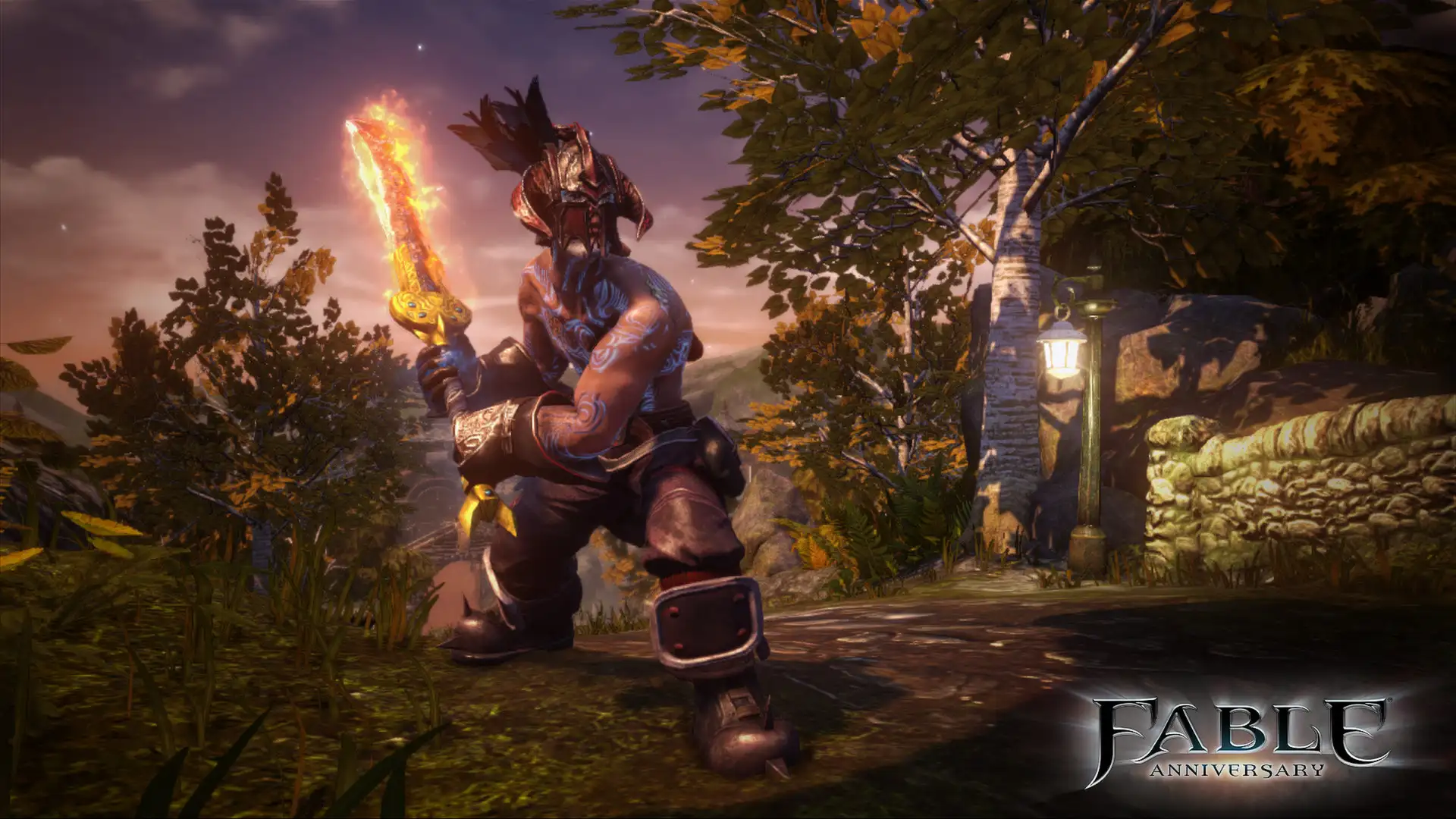
A light and fun fantasy action-RPG where you live the life of a Hero from childhood to old age. Your moral choices visibly change your appearance: good deeds earn you a halo and the crowd's admiration, evil deeds give you horns and an aura of fear.
This is an HD remaster of the 2004 game by Lionhead Studios (rest in peace, legendary studio). The game is much more compact than modern open-world giants, so it's perfect for those intimidated by 100-hour gameplay.
Real-time third-person combat combines melee, bow shooting, and magic with simplified controls. There are rolls and blocks. Experience is gained in three separate pools (Strength, Skill, Will), encouraging the development of what you actually use, although you can also be a pure warrior.
The morality system is visual, and quests often offer extra fun things like boasting to get an even bigger reward.
| ✅ Pros | ❌ Cons |
| Super newbie-friendly; the simple 'good vs evil' morality system is immediately understandable. | Combat feels clunky, with imprecise targeting and sometimes sluggish controls. |
| Charming British humor and fairy-tale world design. | Game mechanics and NPC behavior are outdated by modern standards. |
| Instant feedback from your actions: appearance changes, and people react to your reputation. | The Arena quest can feel long and boring because of waves of identical enemies. |
| Great pacing and short duration (10-20 hours) — no pressure from huge playtime. | Limited fast travel makes going back to old locations a tiring task. |
| No irreversible mistakes in character progression; the flexible system encourages experimentation. | The story is pretty predictable, and the moral choices are black and white, with no shades of gray. |
Fable is good if you want something short and heartfelt.
This game won’t blow your mind with difficulty, but that’s the point. It’s a full-fledged role-playing adventure you can finish over the weekend., without feeling like you missed something or made a mistake. The moral system is intuitively clear (help someone — good job, kill someone — villain), and watching the hero change is incredibly satisfying — modern RPGs often forget about that.
Just… be ready for the camera and controls to sometimes feel like a throwback to 2004.
Perfect for players who:
- Want a complete story in 10-20 hours.
- Love seeing the consequences of their choices.
- Prefer a light fairy-tale tone over dark worlds.
- Are willing to forgive outdated combat for the sake of the atmosphere.
The Elder Scrolls V: Skyrim
🖥️ Available on: PC, PlayStation 3/4/5, Xbox 360/One/Series, Nintendo Switch
⏳ Playtime: 33-35 hours (main story), 100+ hours (practically endless)
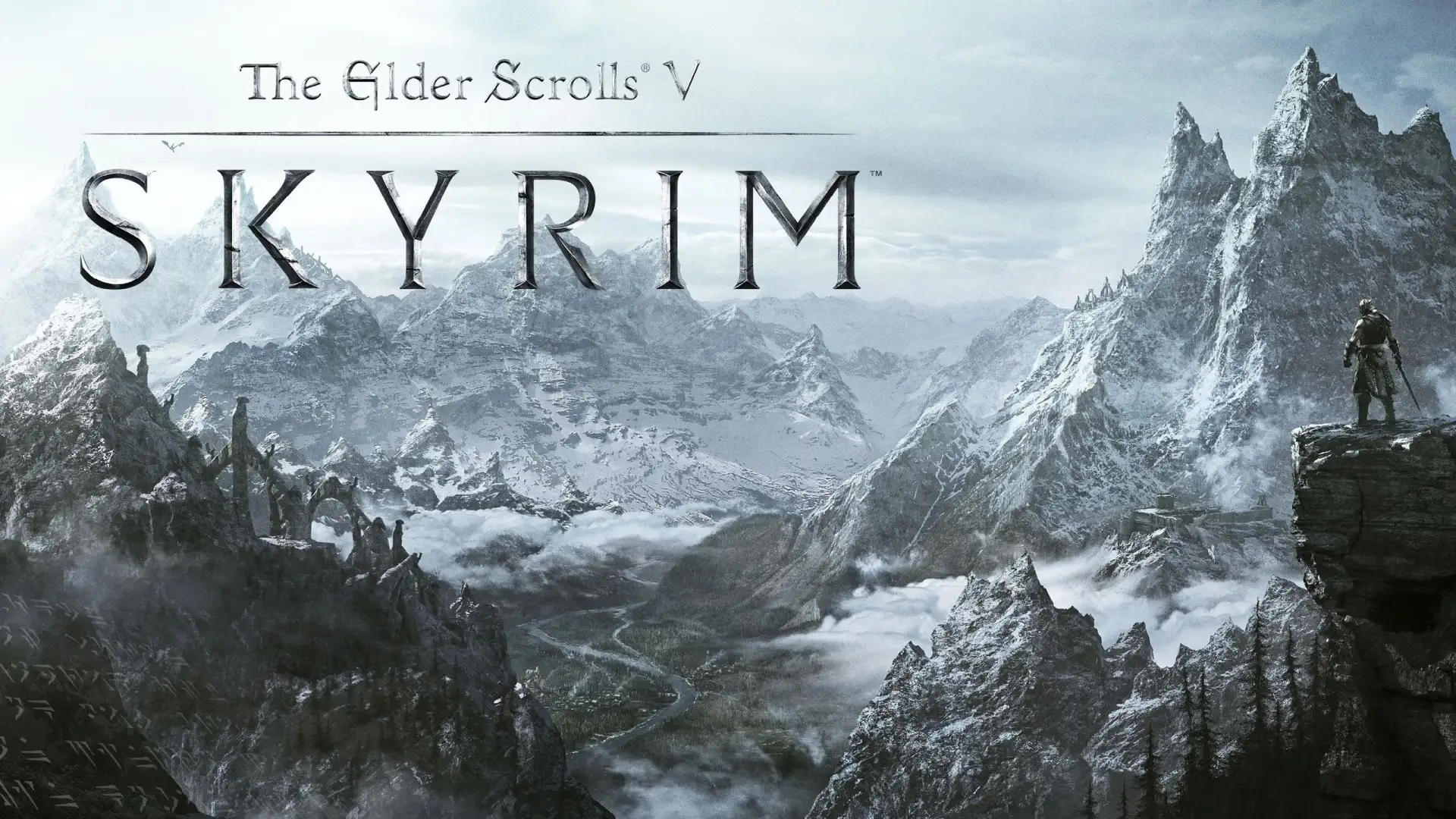
A grand fantasy RPG with an open world. The action takes place in the province of Skyrim 200 years after the events Oblivion, against the backdrop of civil war and the resurrection of dragons. You are the Dovahkiin (Dragonborn), able to absorb dragon souls and use their power in Shouts (Thu'um).
Released in 2011, the game is still a benchmark in the genre. The main quest about dragons? Totally optional. You can ignore it and go explore the world, join guilds, become a vampire, forge armor, or live a peaceful alchemist life.
First- or third-person perspective with real-time combat (melee, bows, magic). Character progression is based on practice, not just experience from kills: cast spells — destruction magic levels up, sneak around — stealth grows, forge swords — smithing improves.
There are no classes; you become what you do. The game has 150 handcrafted dungeons, 244 quests, and over 300 points of interest. Fast travel unlocks as you discover locations. And PC mod support makes the game practically endless.
| ✅ Pros | ❌ Cons |
| Maximum accessibility and easy-going gameplay; difficulty can be changed in the settings at any time. | The main story feels bland and cliché ('the chosen one saves the world from the dragon'). |
| The world encourages exploration; random caves and encounters constantly reward you for being curious. | NPC dialogues and quest design are often shallow, with limited dialogue options. |
| Huge scale and complete freedom; no irreversible mistakes, and character progression through using skills works for any playstyle. | Without mods, the PC version has technical problems, physics bugs, and looks outdated. |
| The huge mod database adds endless amounts of community-created content. | The map size can scare a newcomer; 500 quest markers are no joke. |
| Many play styles work at the same time: stealth archer, two-handed warrior, mage — all are effective. | The difficulty balance is off: the hero becomes too strong by mid-game. |
Skyrim is a starter kit for "Do whatever you want."
Everyone knows about Skyrim. It came out on every platform, probably even smart fridges. But for beginners, it’s perfect for one reason: here it’s impossible to lose. Picked the wrong perk? Level up another skill. Did something wrong? Load a save. Don’t want to save the world? Go catch butterflies.
The game doesn't care what you're up to, and that freedom is intoxicating if you're used to linear games. The only warning: there's so much content that you might get overwhelmed. You'll open your quest log, see 47 active quests, and wonder: "What am I even doing with my life?"
You'll love it if you:
- You want complete freedom without pushy guidance.
- You don't mind outdated graphics (mods can fix that).
- You enjoy just wandering around the world rather than following a story.
- You can handle the agony of choosing from endless build options.
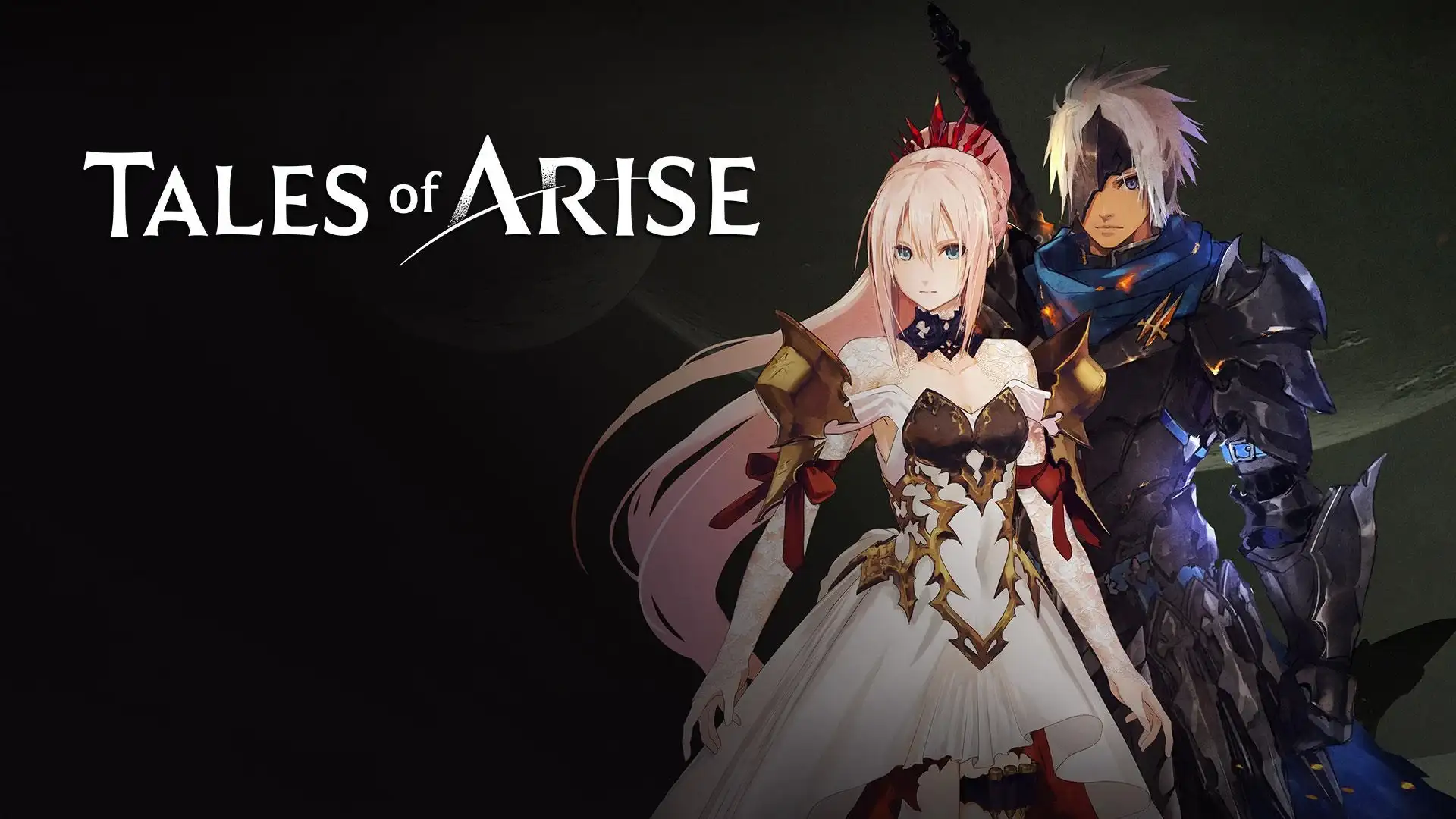
Tales of Arise
🖥️ Available on: PC, PlayStation 4/5, Xbox One/Series X/S
⏳ Playtime: 40-45 hours (main story), 55-60 hours (with side content)
A modern Japanese action RPG (JRPG) focusing on dynamic party-based real-time combat, dodges, and combos. The seventeenth game in the main series Tales, built on Unreal Engine 4 with anime cutscenes from the famous studio ufotable.
The story follows Alphen from the oppressed planet Dahna and Shionne from the technologically advanced planet Rena. Together, they join forces to free Dahna from colonial oppression. Themes of trauma, healing, and freedom are delivered through stunning cutscenes.
Battles take place in real-time on separate arenas: you control one hero while AI companions fight alongside you. The focus is on dodging, counterattacks, and positioning. The Boost Strikes system lets you pull off powerful combos with your partners.
The party has six characters with different styles (swordsman, ranged/healer, hand-to-hand fighter, shield tank). Between battles, you can watch optional dialogues that give better insight into the characters' personalities.
| ✅ Pros | ❌ Cons |
| Spectacular and accessible combat, easy for newcomers; even simple combos look epic. | By the middle of the game, the combat system gets overloaded with mechanics, which can confuse a casual player. |
| Modern graphics and stunning anime cutscenes by ufotable. | The linear story structure with minimal exploration limits freedom (this is not an open world). |
| Deep character relationships are revealed through “skits” — cozy side conversations. | Endgame grinding: fights with regular enemies start to feel repetitive. |
| Clear character progression without overcomplicated tables; stats and equipment are easy to read. | No co-op, even though in the series Tales this was a tradition, which upset long-time fans. |
| Bosses require tactics and learning attack patterns, but still remain fairly simple. | Slow start: the first 5-10 hours of gameplay pick up gradually, and combat options are limited. |
Tales of Arise — your main gateway into the JRPG genre
If you’ve never played Japanese RPGs and want to understand what the hype is about, start here instead of with confusing Final Fantasy or Persona. Tales of Arise clearly explains mechanics, looks modern, and controls wonderfully.
Yes, the beginning will be slow (it’s a genre classic, get used to it), but once the party is fully assembled and all skills are unlocked, battles turn into a beautiful dance of special effects, dodges, and counterattacks. Just keep in mind: by mid-game, the screen will be full-blown chaos of numbers and flashes. If your main worry is having to farm experience before the story will move on, these RPGs without endless grinding address that concern more directly.
Perfect for players who:
- Want modern anime-style graphics without pixelation.
- Love stories centered around character relationships.
- Prefer action combat with tactical depth.
- Ready for a 40-60 hour adventure.
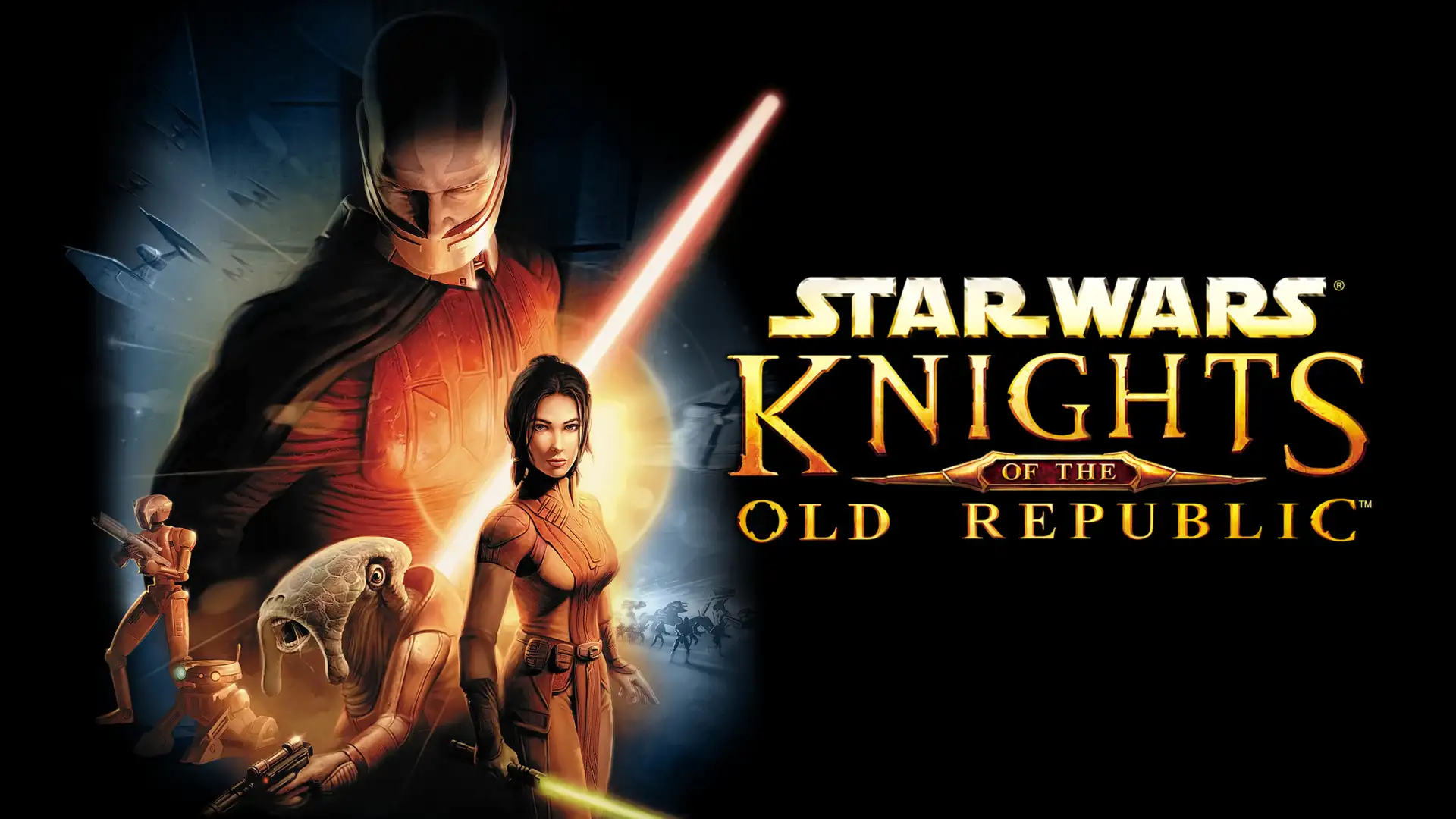
Star Wars: Knights of the Old Republic
🖥️ Available on: PC, Xbox (original), iOS/Android, Nintendo Switch, PlayStation 4
⏳ Playtime: 28-30 hours (main story), 35-40 hours (with extra content)
A story-driven RPG by BioWare (2003), where the story, dialogues, and companion relationships matter more than swinging a lightsaber. The action takes place 4000 years before the Star Wars movies, during the heyday of the Jedi and Sith. The game has one of the most famous plot twists in the history of the industry (no spoilers, but if you know — you know).
You create a character who wakes up with no memory on an attacked ship and then discovers the Force within themselves.
Combat here is a “smart pause” (based on D20 rules). Everything happens in real time, but you can pause the game at any moment to give orders to your squad of three fighters. There are three classes (Scout, Soldier, Scoundrel) and later — Jedi classes.
Your actions and dialogue choices push you toward the Light or Dark side, which changes NPC relations, your character’s appearance, and the ending.
| ✅ Pros | ❌ Cons |
| Brilliant story with real drama; one of the best game stories with a powerful twist. | Very outdated interface and 2003-style animations. |
| Accessible tactical combat; the active pause lets you plan moves calmly without rushing. | Slow battle pace can be annoying for pure action fans. |
| Clear moral consequences; the Light and Dark side system is simple and straightforward. | A confusing role-playing system for beginners (D&D), where the dice roll mechanics are hidden 'under the hood'. |
| In-depth development of companions: each has their own story, quest, and personality. | Technical issues on modern PCs (especially with widescreen monitors) require patches. |
| Flexible character progression lets you create a unique Jedi and experiment with styles. | The world structure is corridor-like; it's a set of locations, not an open sandbox. |
Definitely KOTOR — if you're a fan of Star Wars (or just awesome stories)
If you love 'Star Wars' and haven't played KOTOR… what are you even doing? But even if you're not into that universe, The local plot is one of the best in the genre overall. The partners feel alive, the moral choices actually feel weighty, and the plot twist in the middle of the game really blows your mind.
Just keep in mind: at heart, this is a 2003 game. The graphics are old, combat is slow, the interface is clunky. But if you can overlook that, an unforgettable adventure awaits you.
You'll love it if you:
- You prioritize story over graphics.
- You’re willing to tolerate old visuals for a great plot.
- You enjoy tactical pause-based combat.
- You’re at least a little interested in Star Wars lore.
The Outer Worlds

🖥️ Available on: PC, PlayStation 4/5, Xbox One/Series, Nintendo Switch
⏳ Playtime: 22-25 hours (main story), 30-35 hours (with additional content).
First-person sci-fi RPG developed by Obsidian Entertainment (the creators Fallout: New Vegas). It’s the spiritual successor to New Vegas, but more compact and focused on quality rather than scale. The action takes place in the colony of Alcione, run by greedy megacorporations in an alternate future.
You are the 'Stranger' thawed out by a mad scientist so you can either save the colonists (or help corporations finish them off). A sharp satire on wild capitalism.
First-person real-time combat with the ability to slow down time and dodge. But shooting isn’t mandatory: you can play through stealth or persuasion.
Attributes (Strength, Charisma, etc.) directly affect dialogues: high charisma opens response options unavailable to brutes. There are companions with their own quests and abilities. Your ship serves as a hub for traveling between planets.
| ✅ Pros | ❌ Cons |
| The perfect 'first serious RPG' for those afraid of 100-hour games; can be completed in a comfortable 20-30 hours. | Shooting feels 'floaty' and lightweight, worse than in pure shooters. |
| Any playstyle works: you can shoot everyone, sneak past, or talk your way through. | The game becomes too easy by the middle, even on high difficulty the challenge disappears. |
| Truly meaningful choices in dialogues; skill checks are clearly marked. | The story loses its edge in the second half. |
| Companion quests are emotional and interesting, revealing their backstories. | The world isn't that open — it's a set of locations, not a sandbox for free exploration. |
| The satirical tone successfully balances serious themes and comedy. | There are some technical issues, bugs, and audio desyncs in dialogues. |
TOW is great if you're tired of 100+ hour games.
The main feature of The Outer Worlds — it respects your time. You can finish the whole game in 20-30 hours. and notice fatigue from playing. Obsidian didn't try to outdo themselves Skyrim in scale; they focused on content density.
The story is sharp, the companions are memorable, and you have real freedom of choice in quests. Shooting is average, and the difficulty drops by the middle, but as a gateway into the RPG world — it's perfect.
Perfect for players who:
- They want 3D Fallout-style gameplay but without huge time commitments.
- They enjoy sharp social satire.
- They want their dialogue choices to actually matter.
- They're not looking for hardcore difficulty.
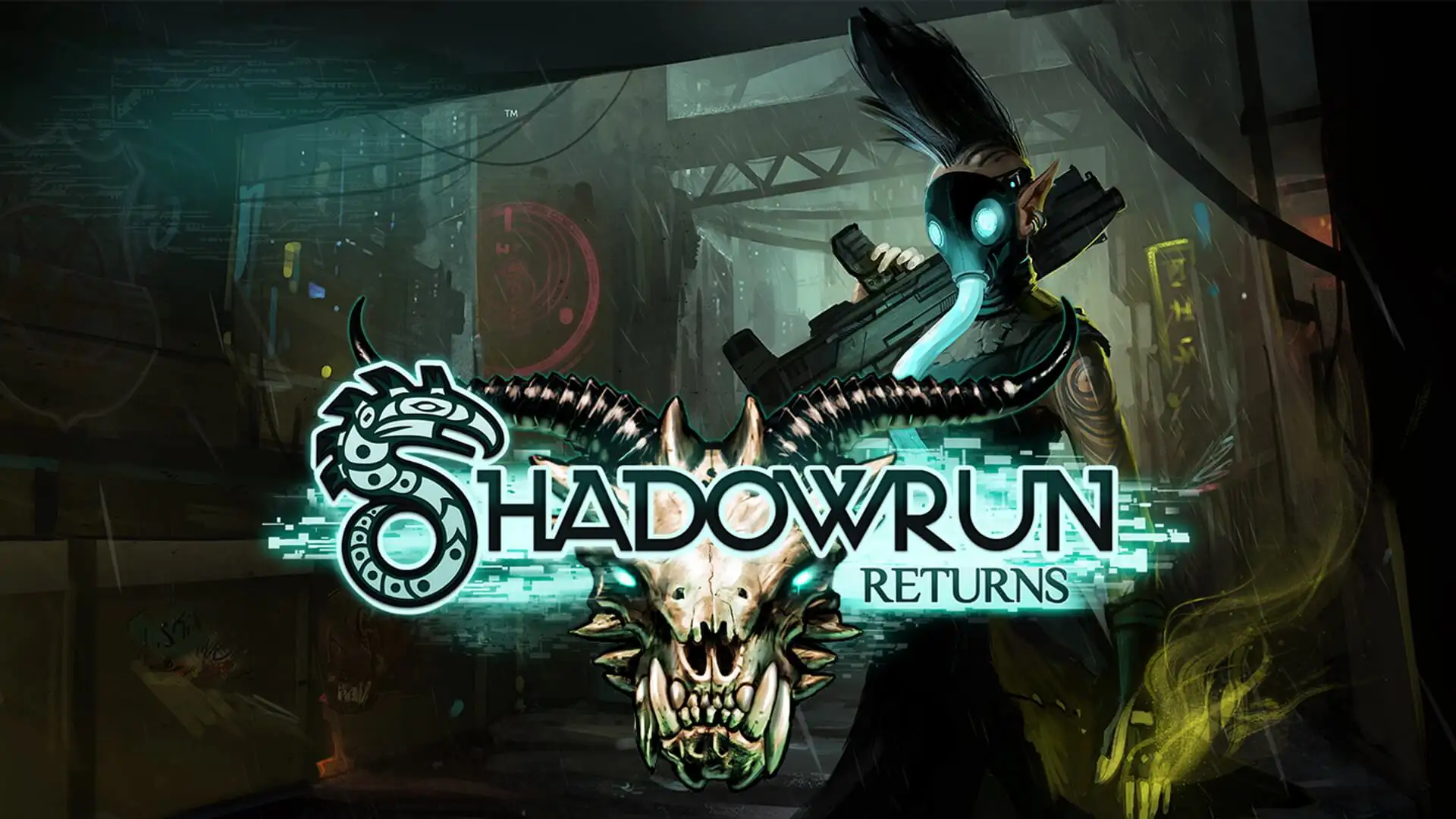
Shadowrun Returns
🖥️ Available on: PC, iOS, Android, Switch, PS4/5, Xbox One/Series
⏳ Playtime: 10-12 hours (main story), 12-14 hours (with extra content)
A turn-based tactical RPG from Harebrained Schemes. The game is based on the Shadowrun tabletop universe, where cyberpunk blends with fantasy: elf hackers, orc enforcers, and magic on the streets of 2050s Seattle.
The plot starts like a noir detective story: you are a mercenary "running in the shadows," and you get a message from a murdered friend asking you to find their killer. This leads to uncovering a conspiracy involving corporations and insect spirits. The campaign is very short (about 10 hours) and linear.
Combat is turn-based on a tactical grid. Each character has action points per turn, which are spent on movement, shooting, spells, or items.
Cover plays a key role. Classes are unusual: Street Samurai, Mage, Decker (hacker), Shaman, Rigger (controls drones), Adept (martial monk). Hacking (decking) takes place in a separate mini-game inside the Matrix.
| ✅ Pros | ❌ Cons |
| A great introduction to the tactics genre: mechanics are simple, clear, and visual. | Extreme linearity: the plot runs on rails, dialogue branches are minimal. |
| A compact 10-12 hour campaign is perfect for short sessions without any "fluff." | Lots of text and almost no voice acting — it might feel a bit dry compared to cinematic RPGs. |
| Strong story and a unique cyberpunk-fantasy atmosphere make for a great introduction to the universe's lore. | Basic mechanics fall short compared to the sequels (Dragonfall and Hong Kong) that came out later. |
| Flexible character creation system: you can mix skills from different classes. | Matrix episodes (hacking) feel detached from the game and a bit boring. |
| Normal difficulty is accessible for beginners: fights are fair and teach tactical thinking. | Limited side content and minimal exploration — the main quest rules here. |
Shadowrun Returns is 'Tactics for Dummies'
If you've never played tactical RPGs and want to understand why people love them, Shadowrun Returns will teach you the basics without overloading your brain. Grid combat clicks instantly: you move, shoot, take cover, pass the turn.
The short length keeps you from getting bored. The cyberpunk setting with magic is unusual enough to hold your interest, and the detective story is intriguing. Just know that the next parts of the trilogy (especially Dragonfall) improve the formula in every way, but it's best to start at the beginning.
You'll love it if you:
- Want to try tactics without the risk of getting stuck for 100 hours.
- Love unusual settings (elves with shotguns!).
- Prefer reading text rather than listening to dialogue.
- Don't mind a linear narrative.
Which first RPG should you pick to get into the genre?
After reviewing all the options, here’s my honest opinion on three specific games that are best for beginners:
Fable Anniversary remains one of the most accessible fantasy RPGs in history. The morality system teaches cause-and-effect in role-playing without unnecessary complexity, combat is simple as pie, and the 15-hour length keeps a newbie from getting bored. Sure, the controls are clunky, and the camera can be annoying sometimes, but as a pure introduction to the concept of fantasy RPGs — it’s a solid choice.
Fable Anniversary remains one of the most accessible fantasy RPGs ever made.
Kingdoms of Amalur: Re-Reckoning completely eliminates the fear of 'messing up your build' thanks to endless skill respecs. You can experiment as much as you want. Combat feels fun from the very first minute, and you really can't ruin your character permanently. If you're the type who googles 'best build' even before installing the game and freezes at the choice, start here — relax and just play.
The Elder Scrolls V: Skyrim is perfect for beginners who want to calmly dive into an open world without the pressure of complex mechanics. You can play at your own pace, explore, level up, and choose your own path, whether that’s the main story or side quests. The combat system is pretty simple, and the interface is a bit outdated in places, but that quickly stops being an issue when you start just living in the world of The Elder Scrolls.
Good luck choosing your first RPG, and welcome to our cozy community of fans of this genre!