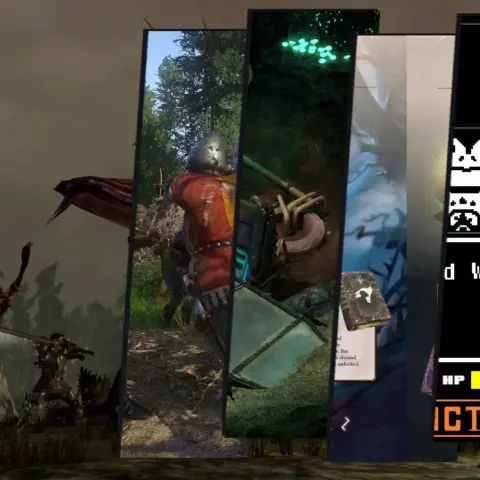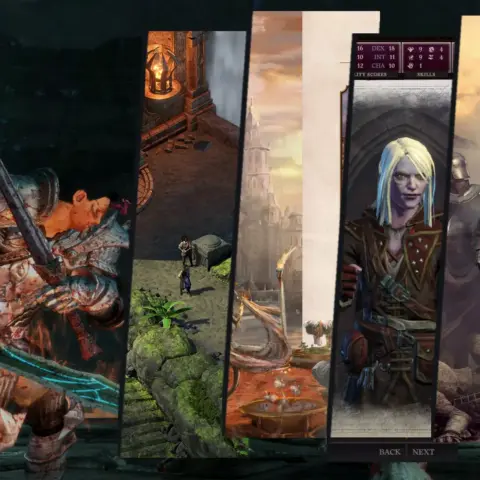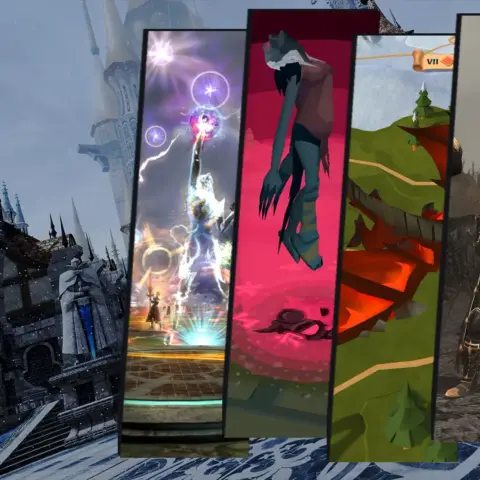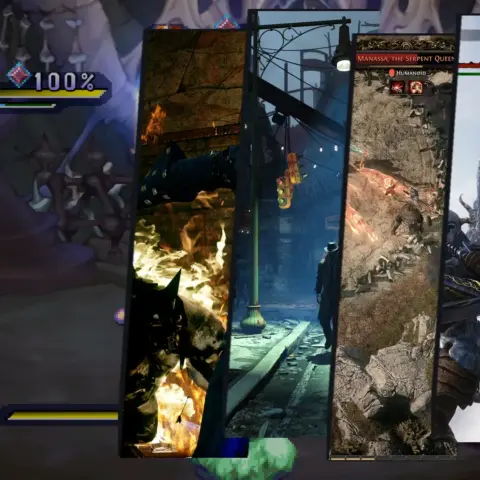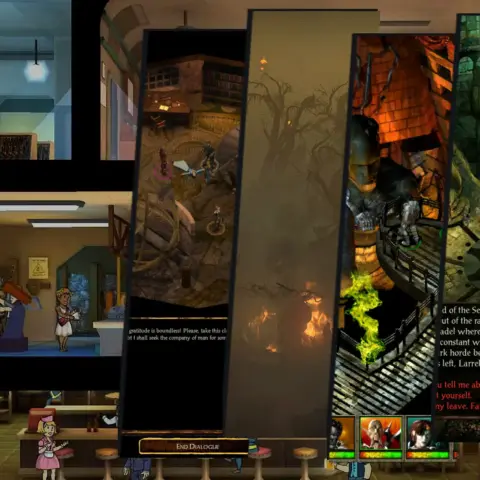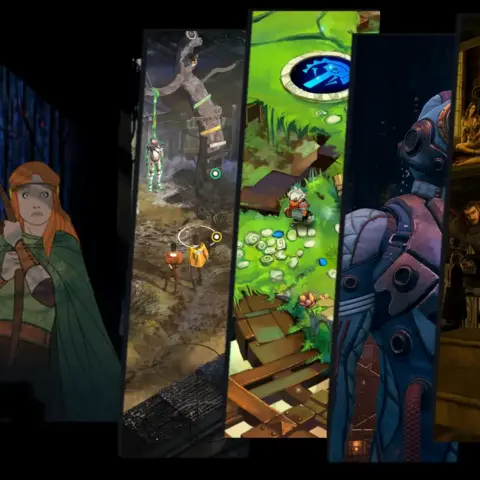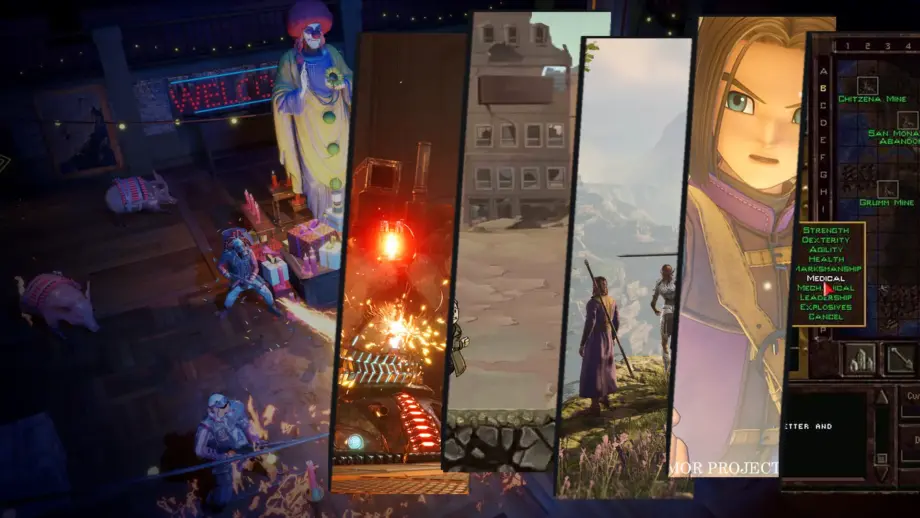
I feel like I've spent more time on hex grids than sleeping over the past twenty years. Turn-based RPGs are games where every move matters, where you need to plan three steps ahead and watch as your meticulously crafted strategy either works perfectly or falls apart spectacularly because of one misstep.
This list features the best turn-based RPGs with awesome tactical combat: post-apocalyptic wastelands and fantasy worlds where a single bad dice roll can decide your fate.
Wasteland 3
🖥️ Available on: PC (Windows, Mac), PlayStation 4, Xbox One
⏳ Playtime: 50-60 hours (main story), 80-100 hours (complete playthrough)
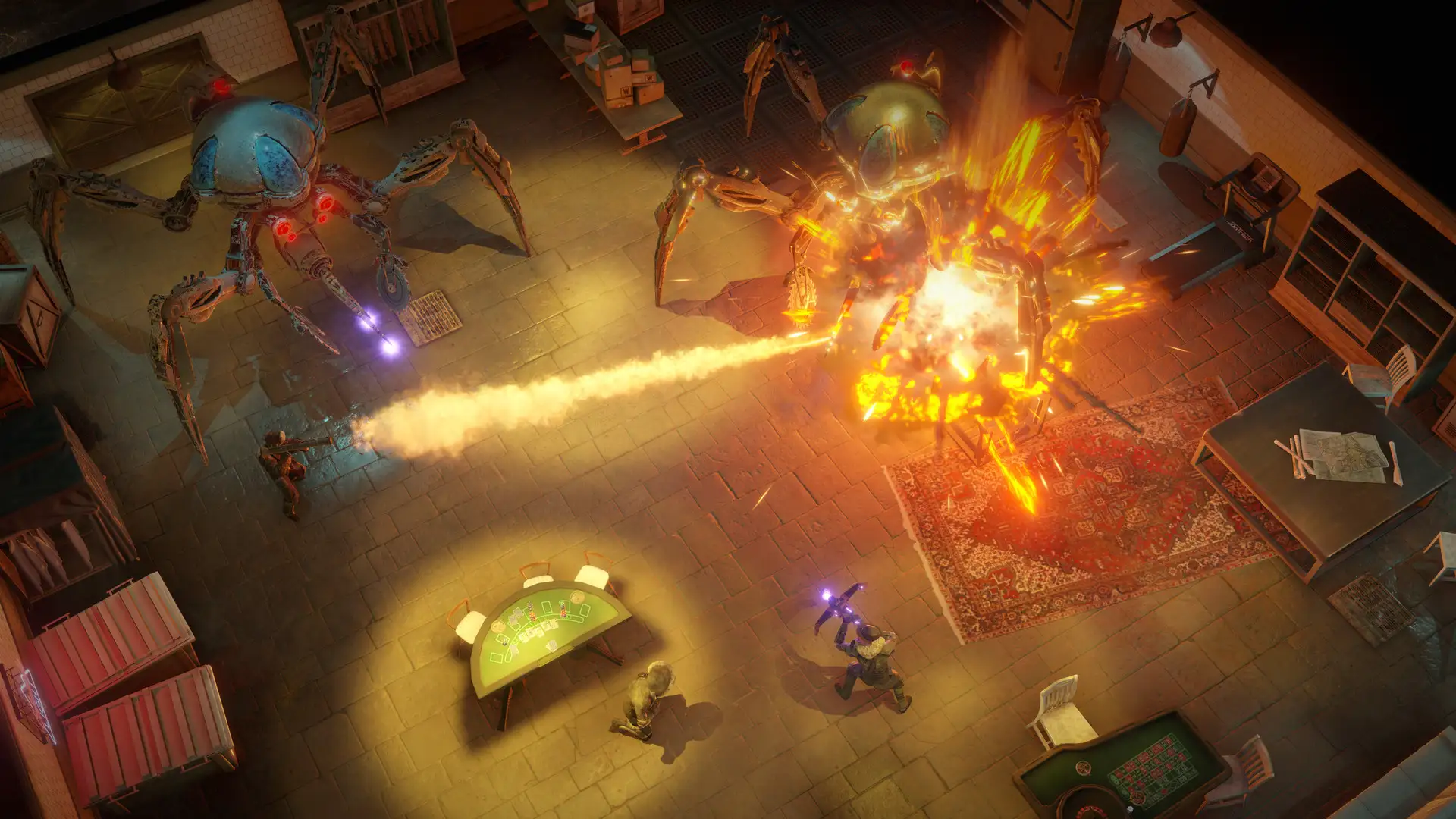
The team-based post-apocalyptic RPG throws you into tactical battles where the wrong position equals death. Here, you control a squad of up to six rangers, customizing each one your way, and the game won’t hold your hand.
Your choices change Colorado — affecting available quests and how NPCs react to your presence. There’s also the Kadyak combat truck, which works as a mobile base and a full-fledged participant in fights, which you level up throughout the campaign.
The story revolves around your rangers, who form an alliance in frozen Colorado after a call for help from the Patriarch. His three children each have their own plans for power, and how you deal with them will determine one of many possible endings.
Everything, as usual, goes off the plan — expect betrayals, moral compromises, and decisions that will leave you sitting and thinking if you actually made things worse.
| ✅ Pros | ❌ Cons |
| The story reacts to your choices and changes the state of the world | Turn-based battles can seem pretty slow |
| Detailed squad customization with dozens of skills and perks | Performance drops on older systems |
| Tactical battles require careful positioning | After the main story ends, there's nothing to do |
| Co-op lets you make decisions together (2 players) | Limit of two players in co-op |
| Memorable characters with full voice acting | Frozen locations look visually repetitive |
Why W3 hooks you in a special way
Wasteland 3 is made for those who enjoy carefully positioning themselves in battle. When you have to calculate lines of sight, cover mechanics, and squad coordination instead of just mindlessly pressing the attack button.
XCOM 2
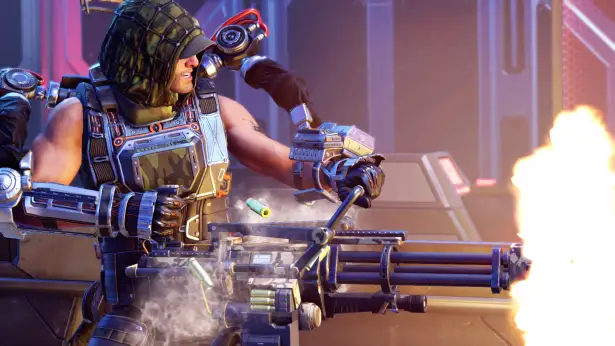
🖥️ Available on: PC (Windows, Mac, Linux), PlayStation 4, Xbox One, Nintendo Switch
⏳ Playtime: 33-35 hours (main campaign), 70-80 hours (with expansions)
In XCOM 2 it’s the opposite — you’re not defending Earth, you’re taking it back from alien occupiers. Procedural map generation makes every mission unique and forces you to change strategies on the fly. The stealth system adds tactical depth — you can set up ambushes before enemies even notice you.
Timed missions push you to play aggressively rather than hide in a fortified defense, so you have to make decisions pretty quickly.
The War of the Chosen expansion adds hero classes with unique abilities and Chosen enemies who hunt you throughout the entire campaign. They learn from your tactics, adapt, and become your personal sworn enemies.
There’s a ‘Terminator’ mode — kind of like permadeath for soldiers. If you lose them, they’re gone forever. It creates real tension when you’ve spent hours customizing gear and backstory, only to watch them die from a critical hit…
| ✅ Pros | ❌ Cons |
| Engaging tactical gameplay | Performance issues and stuttering at launch |
| Procedural generation offers high replayability | The Switch version suffers from FPS drops |
| Powerful modding tools | Storyline is less deep compared to classic RPGs |
| Lots of difficulty settings to suit different skill levels | Permadeath in 'Terminator' mode is only for hardcore players |
| Real consequences for tactical mistakes | Missions late in the game become repetitive |
Is it worth playing XCOM?
You'll enjoy it if you like planning ambushes, tinkering with your squad's gear, and accepting that the best soldier sometimes dies just because random chance decided so. Procedural maps ensure that no playthrough will be the same.
Final Fantasy VII Remake
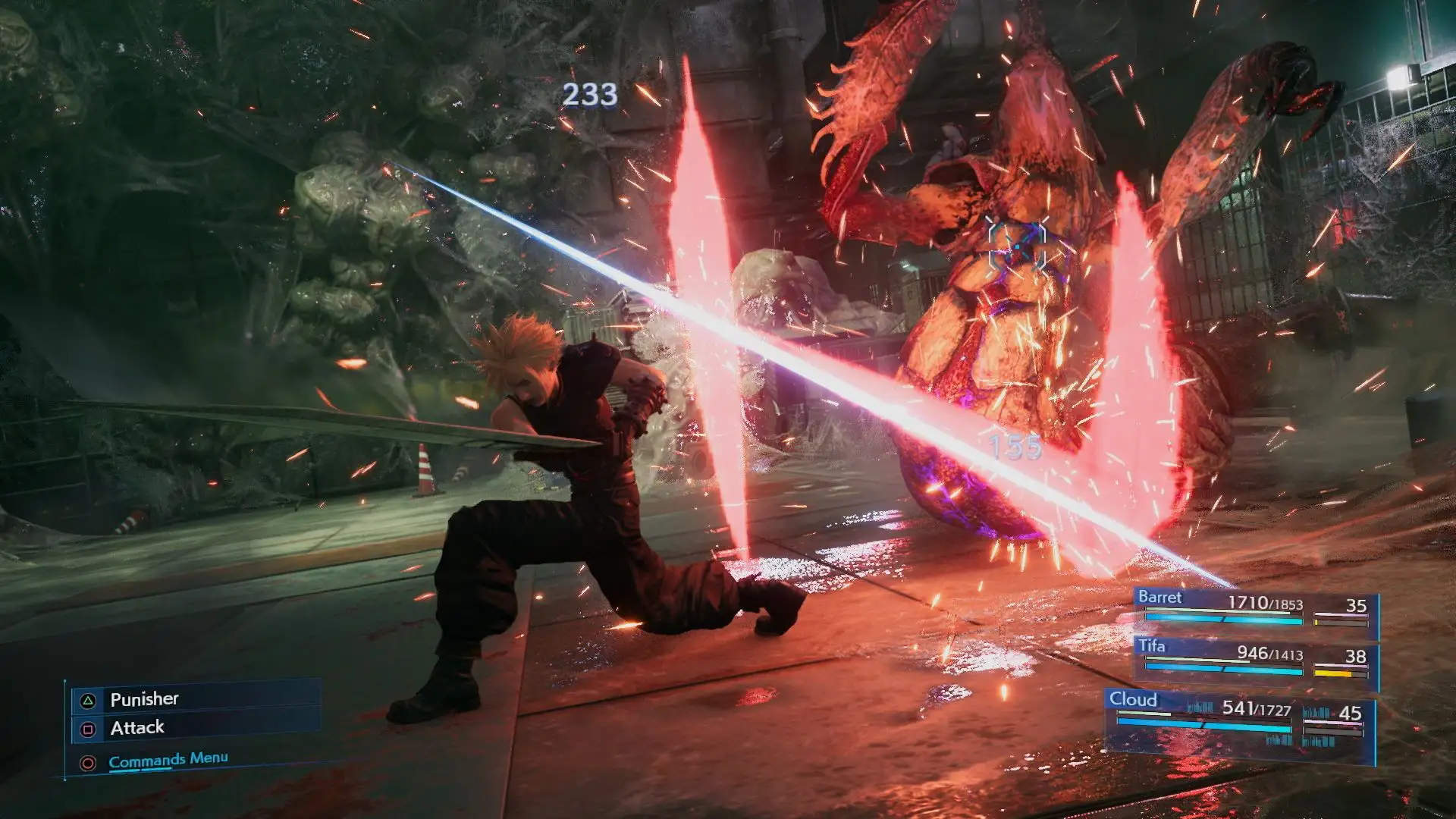
🖥️ Available on: PlayStation 4, PlayStation 5, PC (Windows), Xbox Series X/S (2026), Nintendo Switch 2 (2026)
⏳ Playtime: 34-38 hours (main story), 55-65 hours (full completion)
This action-RPG remake mixes real-time movement with command selection using the ATB (Active Time Battle) system. You control Cloud and his team in battles against the Shinra corporation, and the combat system allows you to slow down time to issue orders — basically giving you a tactical breather during fights.
Different weapon types for each character open up diverse combat styles, and the materia system provides deep customization beyond traditional class limitations.
The story is completely focused on Midgar, which in the original 1997 version lasted a maximum of 6-7 hours, but here it’s expanded into a 40+ hour adventure. Cloud’s journey starts with a diversion at the Mako reactors, which drain the planet’s life energy, and events escalate from eco-terrorism into a corporate conspiracy faster than you’d expect.
Some changes in the story upset fans, but the character development and voice acting hit emotions harder than the original ever could.
| ✅ Pros | ❌ Cons |
| A good balance between action and strategy | Covers only Midgar from the original game |
| Stunning graphics and redesign with respect to the original | Real-time combat elements can be overwhelming at first |
| Outstanding orchestral soundtrack with full voice acting | Story changes criticized by fans of the original |
| Great character development and story expansion | High price |
| Combat is accessible yet tactically deep | PlayStation exclusivity at launch |
Is it worth playing FF7R?
Final Fantasy VII Remake will definitely appeal to you if you want a turn-based strategy without fully diving into classic combat. The hybrid system lets you pause, think, and give orders, then watch them unfold in real time. If positioning a squad is your favourite part of taking turns, these tactical RPGs put those battlefield decisions front and centre.
Fallout 1 & 2
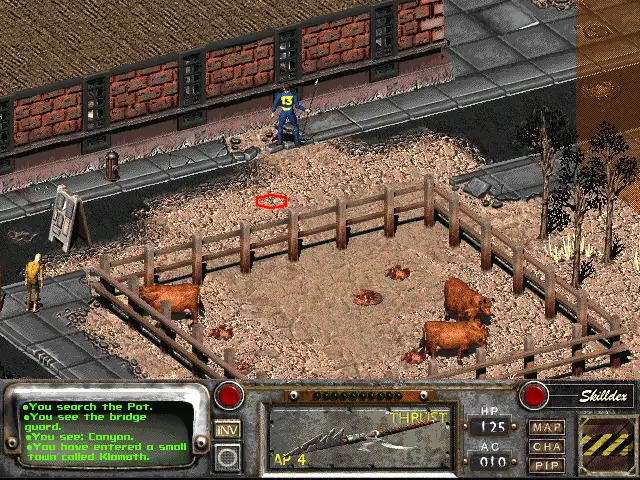
🖥️ Available on: PC
⏳ Playtime: Fallout 1: 12-16 hours (main story), Fallout 2: 30-35 hours (main story)
These are the very CRPGs from the late '90s that revolutionized RPG design, focusing on freedom of choice and a story shaped by your decisions. The S.P.E.C.I.A.L. system (Strength, Perception, Endurance, Charisma, Intelligence, Agility, Luck) allows you to create almost any character, which still feels incredibly fresh today.
You can get through entire quest chains without firing a single shot — be a diplomat, thief, or ruthless psychopath, the game adapts to your style. Don’t forget a low-intelligence build, it’s a special kind of fun…
Turn-based combat uses hex-based movement, where every action costs Action Points. Targeted shots to specific body parts add tactical depth — a shot to the eyes blinds, leg damage slows movement, and shots to the head… well, you know.
In Fallout 1 you look for the water chip to save the Vault. In Fallout 2 you look for the GECK to save a tribal village, pretty cool, right? Plus both games constantly throw moral dilemmas and interesting choice options into quests and dialogues.
| ✅ Pros | ❌ Cons |
| The revolutionary RPG system remains complex | Outdated graphics and interface |
| Incredible freedom of action with multiple ways to solve problems | High entry barrier for newcomers |
| Your decisions affect the world and NPC reactions | Bugs remain from the original versions |
| Great writing with dark humor and memorable dialogues | Complex rules of classic RPGs |
| Extremely high replayability with different builds | Limited availability on platforms |
Why you should play Fallout 1 & 2
You'll definitely appreciate them if deep mechanics and a story with real consequences matter more to you than modern graphics. The quality of the writing and dark humor has aged far better than the visuals.
Temple of Elemental Evil
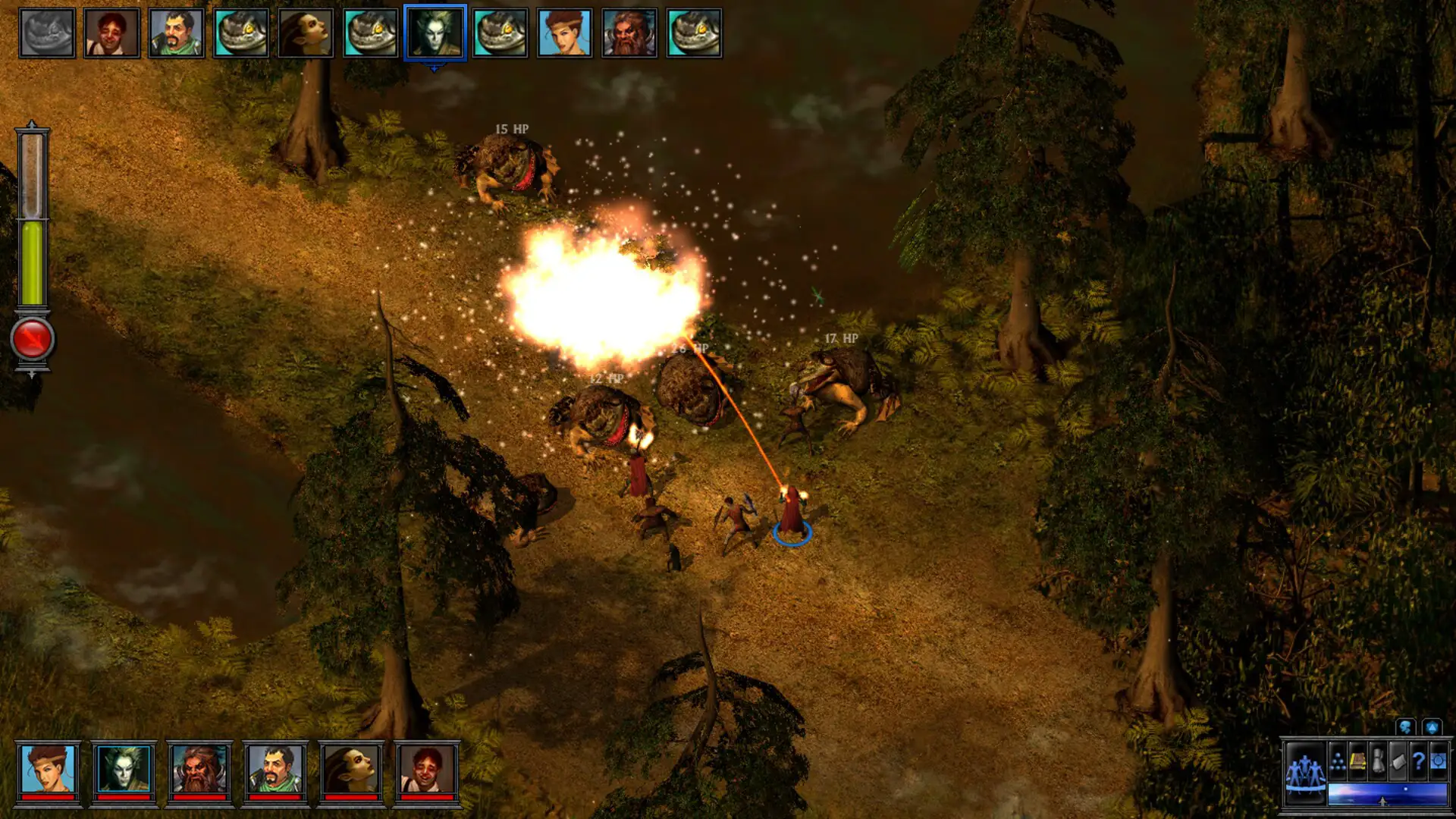
🖥️ Available on: PC (Windows via Steam/GOG), limited Linux support
⏳ Playtime: 40-50 hours (main story), 60-80 hours (full completion)
Based on the classic Greyhawk campaign module, TOEE is the pinnacle of D&D video game adaptations when it comes to mechanical accuracy. Character creation uses the full D&D 3.5 rules — races, classes, feats, skills, absolutely everything.
The magic system recreates all D&D 3.5 spells with stunning accuracy — with correct mechanics, durations, and interactions. If you know tabletop D&D, you’ll know exactly how this game works.
Combat uses grid-based turn mechanics, including attack rolls, saving throws, and full spell interactions. You control a group of up to five main characters plus three NPC companions.
In the story, your party explores the Temple of the Primordial Evil and tries to stop the resurrection of the dark goddess. The alignment system affects interactions with NPCs and quest availability — creating roleplaying consequences that go beyond pure mechanics.
| ✅ Pros | ❌ Cons |
| The most authentic implementation of D&D 3.5 in video games | Stability issues at launch |
| Real depth in turn-based tactics | Graphics look outdated |
| You can use completely different styles in playthroughs | Sharp difficulty spikes |
| Many ways to solve quests | Limited multiplayer options |
| Perfect for experienced tabletop D&D players | High entry barrier without knowledge of the tabletop games |
Is it worth playing Temple of Elemental Evil?
Definitely worth it if you've played tabletop D&D and want a digital adaptation that respects tabletop rules. Once you get the hang of the combat and core systems and learn to position your characters smartly, awesome evenings with TOEE are guaranteed.
ATOM RPG & Trudograd
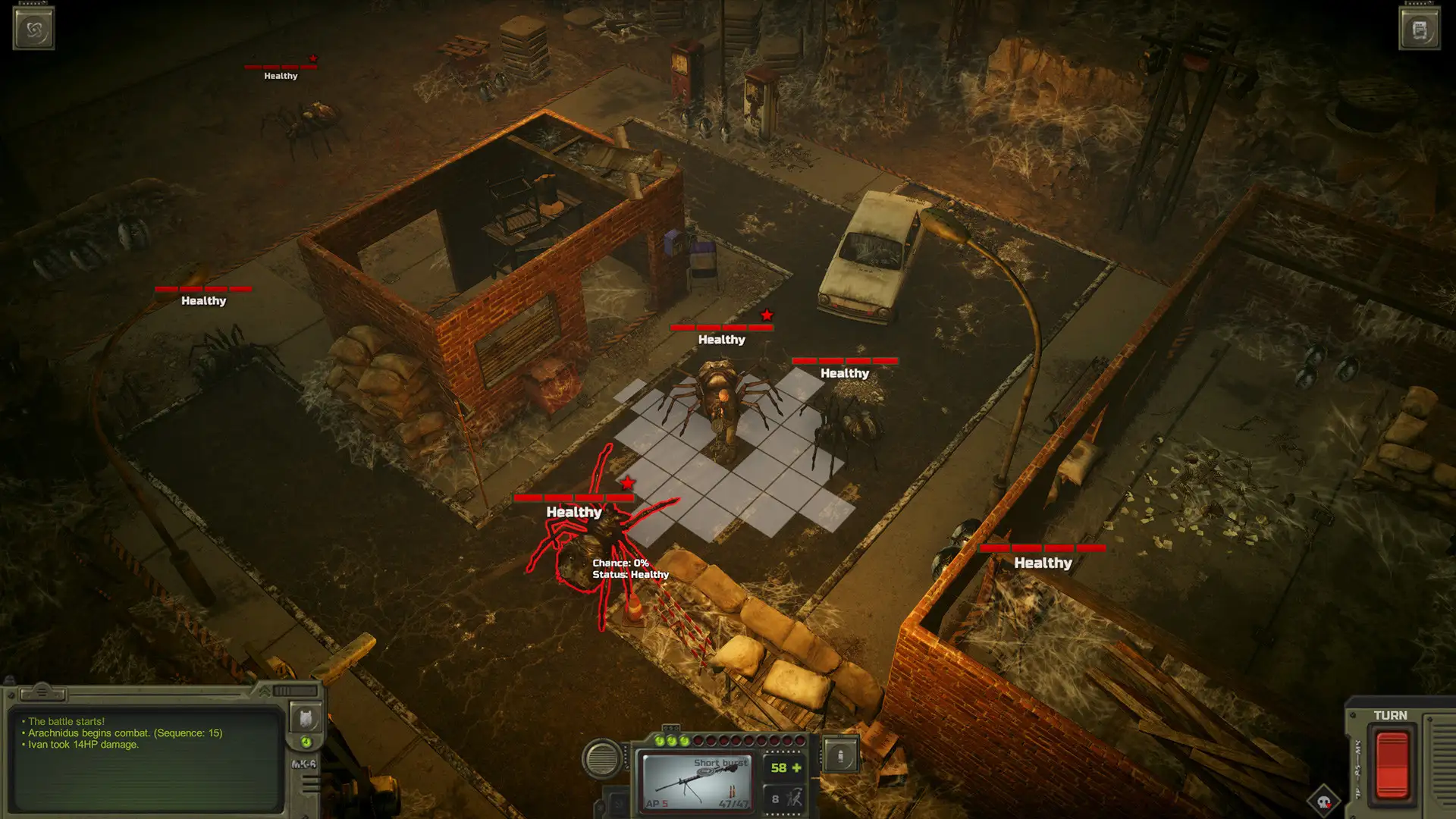
🖥️ Available on: PC (Windows, Mac, Linux), PlayStation 4, Xbox One, Mobile (iOS, Android)
⏳ Playtime: ATOM RPG: 40-45 hours, Trudograd: 35-40 hours
Set in an alternate 2005 USSR devastated by nuclear war, ATOM RPG delivers the classic Fallout experience with a unique Eastern European flavor.
Turn-based combat, deep stats and skill systems, lots of dialogue choices based on your character's attributes. The Soviet post-apocalyptic setting creates atmosphere through architecture, fashion, music, and language references you won’t find elsewhere and wouldn’t understand unless you lived in the CIS.
You play as a member of ATOM — a secret organization trying to protect survivors in the wastelands. Trudograd, a large-scale expansion, adds 40+ hours of gameplay with 45+ new locations, 300+ NPCs, and 200+ quests continuing the storyline.
The companion recruitment system offers squad members with unique personalities and their own quest chains. Over 100 types of weapons with customization options — attachments and modifications included.
| ✅ Pros | ❌ Cons |
| A true spiritual successor to Fallout 1-2 | Tons of text |
| Amazing Eastern European atmosphere | High difficulty |
| Deep character customization for different builds | Few voice-overs, dialogues mostly text-based |
| Meaningful decisions with realistic consequences | Trudograd requires playing the original ATOM RPG |
| Great value for money | Indie game with limited community support |
Can ATOM RPG quench your thirst for Fallout?
Definitely works if you need a true spiritual successor to Fallout — not just post-apocalyptic aesthetics, but the mechanical depth and decision-driven story that defined the originals.
Baldur’s Gate 3
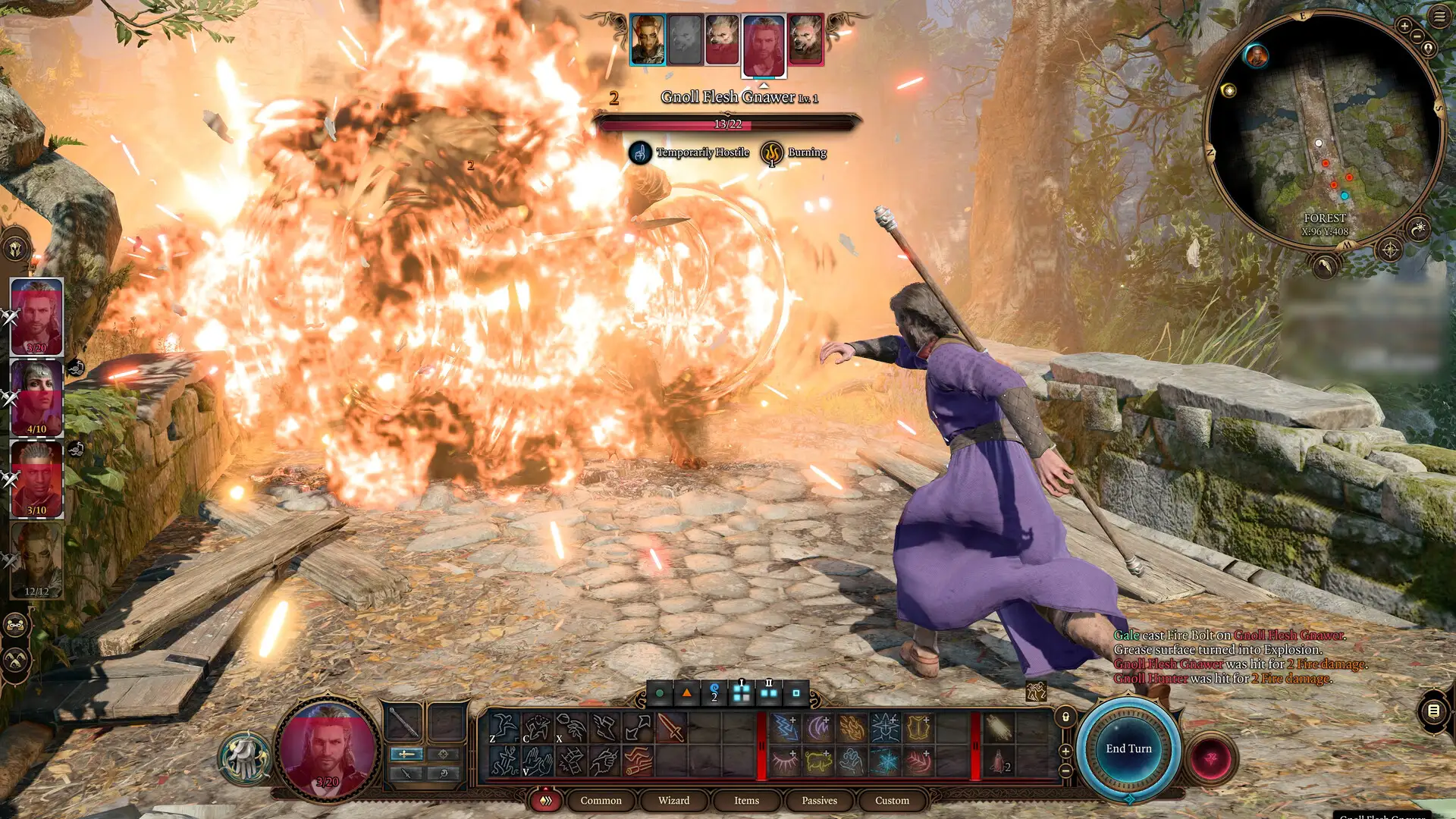
🖥️ Available on: PC (Windows), PlayStation 5, Mac, Xbox Series X/S
⏳ Playtime: 75-100 hours (main story), 150+ hours (full completion)
BG3 features turn-based combat based on D&D 5th edition rules, where 20-sided dice (d20) rolls determine success. The simultaneous turn system lets all the player's characters move within a shared turn before enemies respond — opening up room for coordinated tactics and positioning not available in standard turn-based systems.
Full character creation includes races, classes, backgrounds, and subclasses with extensive appearance customization.
The story follows your custom character (or characters with a backstory) after being infected by an illithid tadpole — a parasite that will turn you into a mind flayer if you don’t find a cure. Interacting with the environment in combat creates tactical opportunities through dangerous zones, height differences, and destructible objects.
One of the best sets of romances and companions in games in recent years. The nonlinear narrative adapts significantly to player choice, and the many endings perfectly reflect key story branches.
| ✅ Pros | ❌ Cons |
| Incredible depth in character interactions | Requires a lot of time (100+ hours) |
| The story changes depending on your decisions | The early access phase before release was long |
| Many quests have unconventional solutions | Balance issues after release |
| Amazing graphics and environmental detail | High system requirements for max settings |
| Outstanding voice acting and script quality | The random dice roll is still annoying |
Why BG3 deserves its reputation
Baldur’s Gate 3 deserves its reputation because it combines a rare thing: a deep system-based RPG with true freedom of choice and consequences. Your decisions feel meaningful, the world reacts, and the mechanics aren’t simplified—they work consistently and fairly, despite the wild dice randomness. If you want party relationships and consequential choices alongside the battles, these RPGs like Baldur’s Gate 3 offer another way to narrow the field.
Dragon Quest XI: Echoes of an Elusive Age
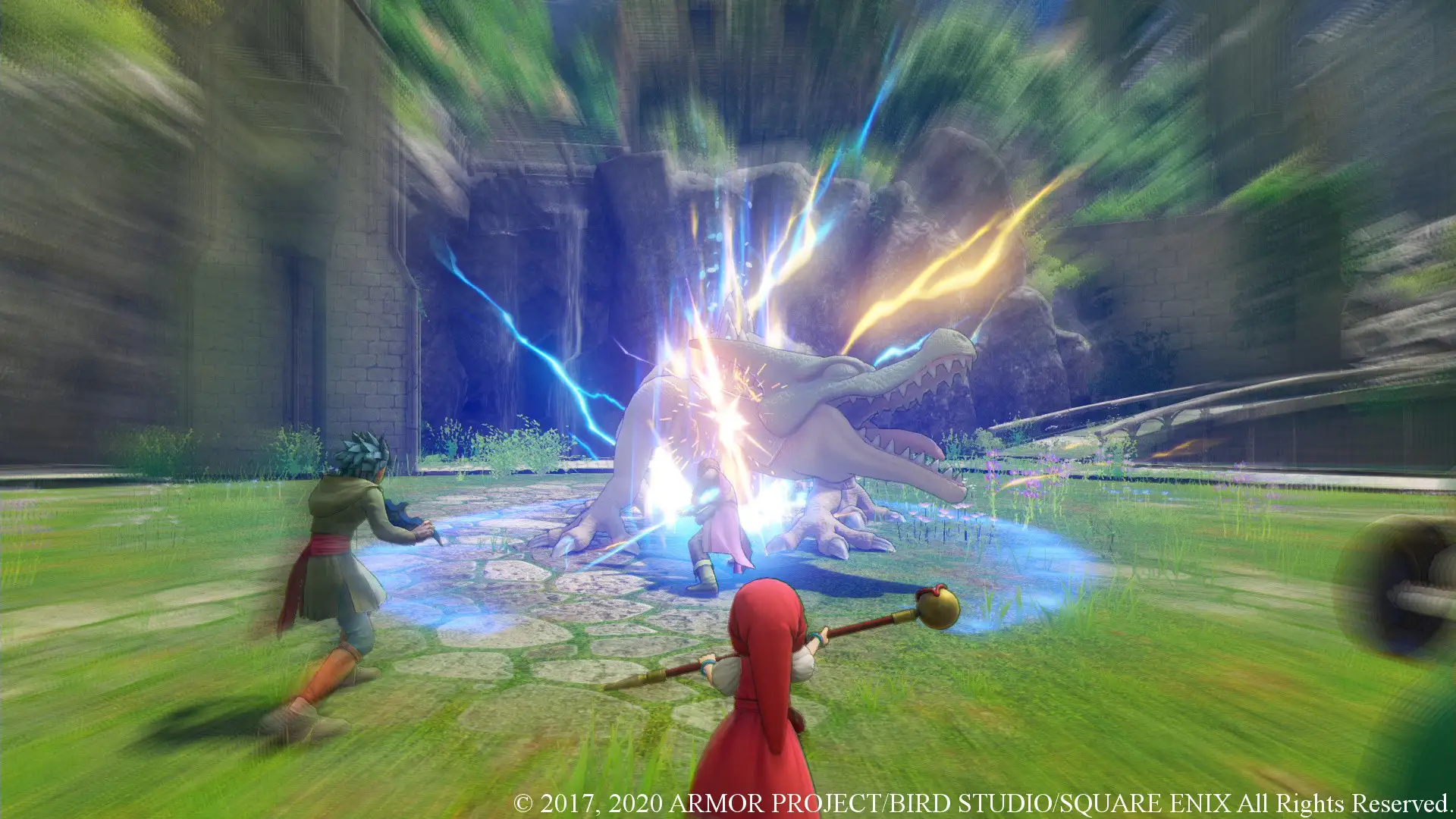
🖥️ Available on: Nintendo 3DS, PlayStation 4, PC (Windows), Nintendo Switch (Definitive Edition), Xbox One (Definitive Edition), Stadia
⏳ Playtime: 55-65 hours (main story), 100-120 hours (completionist run)
DQXI uses classic turn-based combat, where actions are taken in order based on your agility stat. Eight controllable party members let you mix and match different combinations and assign roles however you like.
The job/skill system allows for flexible customization without strict class restrictions — you can distribute skill points to learn abilities from different branches and create hybrid builds that aren’t available in class-locked systems.
The story follows the Luminary, who learns about his destiny as the reincarnation of an ancient hero, while forces that want to prevent an old prophecy are hunting him down.
The Definitive Edition adds an orchestral soundtrack, a 2D mode for playing in the classic Dragon Quest visual style, and additional story content. The massive open world with 100+ hours of gameplay includes exploration, dungeon crawling, and side quests.
| ✅ Pros | ❌ Cons |
| Perfectly polished classic JRPG | Very conservative design with no innovations |
| Massive content with 100+ hours of gameplay | Incredibly long game with pacing drops |
| Flexible customization via the job/skill system | Graphics downgrade in the Definitive Edition on Switch |
| Beautiful orchestral music enhances immersion | Turn-based battles may feel slow for action fans |
| Great story and character development | Slightly predictable story |
Why it’s worth playing DQXI
The game hits right in the heart if you're looking for classic turn-based JRPG design perfected to the max. No reinventing the wheel — just polished mechanics and an engaging story.
Divinity: Original Sin
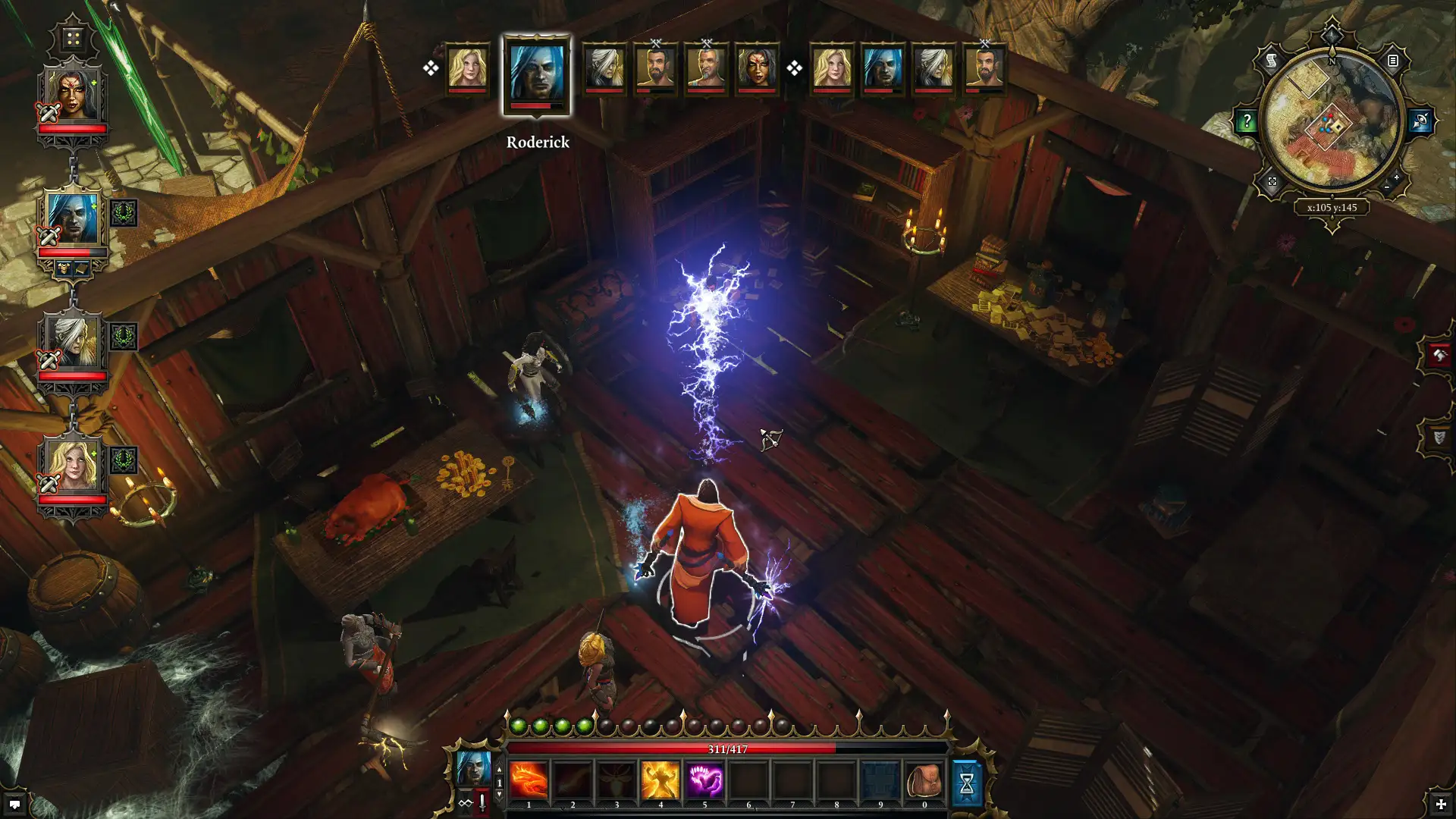
🖥️ Available on: PC (Windows, Mac, Linux), PlayStation 4, Xbox One, Nintendo Switch
⏳Playtime: 60-75 hours (main story), 90-110 hours (complete playthrough)
DOS uses a turn-based combat system with an action point economy that determines movement, ability use, and item use. Interaction with the environment is at the core of combat: combining spells creates weather effects, like fire + water = steam that blocks vision, or electricity + water = chain damage across wet surfaces. The cooperative dialogue system resolves disputes with dice rolls influenced by character stats when players choose conflicting responses.
A squad of four characters (two Source Seekers plus two companions) investigates a murder that escalates into a cosmic-scale conspiracy. Detailed character creation allows you to fine-tune attributes, skills, abilities, and appearance. Modding tools let you create your own single-player and multiplayer adventures. Grid movement encourages tactical positioning. Two-player co-op lets you play through the entire campaign with a shared inventory.
| ✅ Pros | ❌ Cons |
| Co-op with mechanics designed for teamwork | Grid-based turn system frustrates action fans |
| Incredible environmental interactions | Disappointing on high difficulty due to lack of resources |
| Creative spell combinations are rewarded | Performance issues on some systems. |
| Active modding community extends the game's life | The dialogue system can cause friction when there are disagreements |
| Multiple ways to play through | Balance issues in multiplayer |
Why you should play Divinity
Perfect for those who like experimenting with spell combinations and actively using the environment in turn-based battles, where positioning and tactical thinking matter; the cooperative dialogue system adds lively moments of shared decisions and disagreements, and the flexibility of the mechanics and mod support let you create your own scenarios and find unconventional paths to victory.
Jagged Alliance 2
🖥️ Available on: PC (Windows, Mac, Linux via GOG, Steam)
⏳ Playtime: 60-80 hours (main campaign), 100+ hours (with side quests)
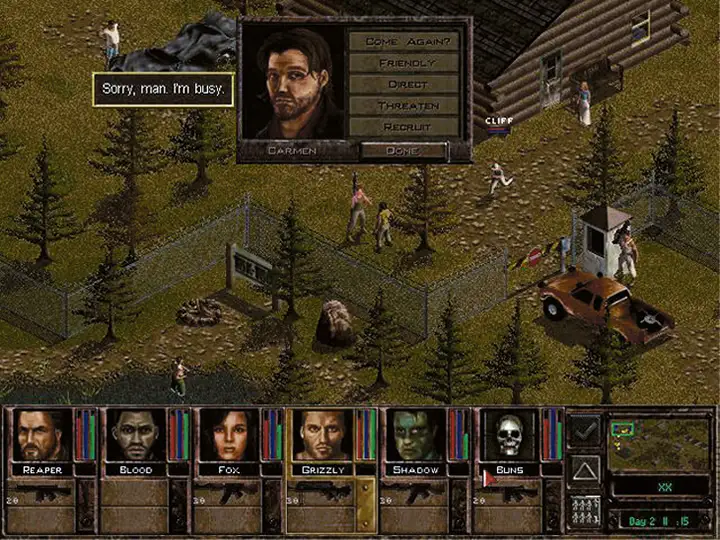
Jagged Alliance 2 offers turn-based tactical battles on isometric maps with realistic weapon mechanics. Hiring from over 50 unique mercenaries creates emergent storytelling thanks to their personalities, interactions, and personal preferences for teammates. Financial management keeps you on top of mercenary salaries, maintenance costs, and insurance — adding a layer of tension from resource scarcity throughout the campaign.
You’re hired to free the fictional country of Arulco from a dictatorial regime. Buying and customizing gear lets you optimize your equipment for any task. Training your squad and developing the militia allows you to train NPCs, improving their combat effectiveness. The global strategic map shows your campaign progress and the sectors that need to be liberated. Morale and loyalty systems affect mercenary effectiveness and the likelihood of desertion. Permadeath means fallen fighters are gone for good.
| ✅ Pros | ❌ Cons |
| Incredibly deep hiring and management system | Outdated graphics and interface feel archaic |
| Memorable cast of 50+ unique characters | High entry barrier due to detail overload |
| Emergent storyline from mercenary interactions | Tutorial is practically nonexistent |
| Complex tactical battles reward preparation | Ruthless gameplay with permadeath |
| Non-linear approach to completing tasks | Bugs remained even after all the patches |
Jagged Alliance 2 is definitely worth trying
Suitable for those who appreciate moments when the story emerges naturally from character interactions and team dynamics: turn-based tactical battles with realistic mechanics require a thoughtful approach, over 50 unique mercenaries with vivid personalities create unpredictable situations, financial management adds strategic depth, permadeath makes you genuinely care about each soldier, and non-linear campaign progression along with an active modding community constantly expand possibilities and replayability.
Which turn-based RPG should I choose to play?
Baldur’s Gate 3 is simply a gem. It's no wonder it has won every possible award. A thrilling story combined with deep tactics creates an experience you'll remember for years.
Fallout 1-2? No explanation needed. If you haven't played them and are looking at a list of turn-based RPGs — fix that immediately.
ATOM RPG feels completely different if you want that Fallout vibe in a post-apocalyptic USSR. The Eastern European setting creates an atmosphere you won't find in Western post-apocalyptic games, and the mechanics' depth is just as strong as the classics.
Fallout 1-2? No explanation needed. If you haven't played them and are looking at a list of turn-based RPGs — fix that immediately.